
CO2 Pollution: China’s #1 Role in Clean Energy & CO2
When discussing the global challenge of co2 pollution, it’s impossible to ignore China’s monumental role. The nation stands as a figure of immense paradox: it is, by a significant margin, the world’s largest emitter of carbon dioxide, yet it is also the undisputed global leader in producing and deploying the very technologies needed to combat the climate crisis. This dual identity makes China the most critical player in the future of our planet’s climate.
The Paradox: China’s Unmatched CO2 Pollution
For decades, China’s rapid economic development has been fueled by heavy industry and, most notably, coal. This reliance has propelled it to become the world’s factory but has come at a steep environmental cost. In recent years, China has been responsible for nearly a third of all global CO2 emissions, a figure that dwarfs that of any other single nation. This staggering level of co2 pollution is a direct result of its coal-fired power plants, steel production, and cement manufacturing.
The scale of this industrial activity is difficult to comprehend. While the developed world has been slowly de-industrializing or shifting its manufacturing base, China has consolidated it. This has created a situation where the country’s emissions are not just a national problem but a global one, fundamentally shaping the trajectory of climate change.
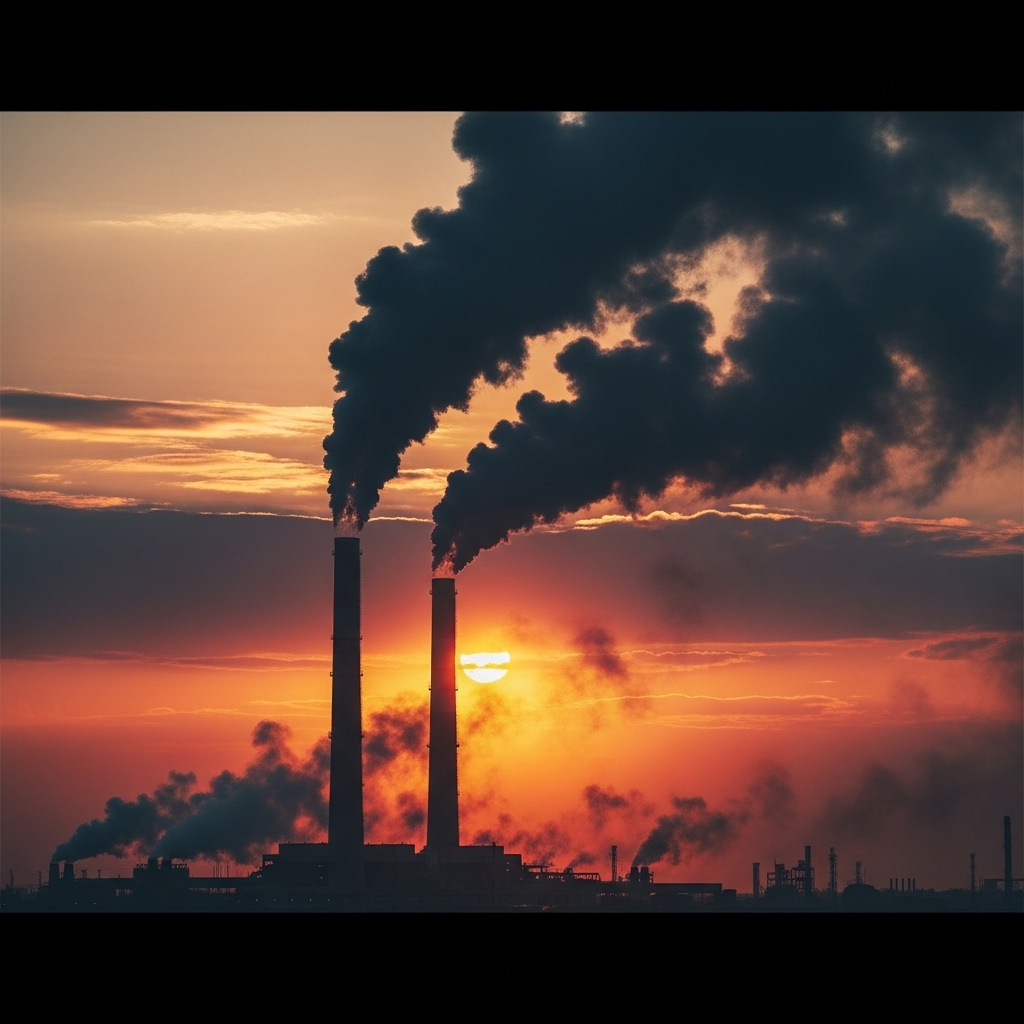
However, this same industrial might is what enables China’s other, greener role. The factories that produce vast quantities of consumer goods are now also the epicenters of clean energy manufacturing, creating a complex and often contradictory environmental profile.
Dominating Clean Energy to Combat CO2 Pollution
While its emissions paint a bleak picture, China’s contribution to the solution side of the climate equation is equally dominant. The country has strategically invested in and scaled up the production of clean energy technology to a degree no other nation can match. This has had a profound effect on the global fight against co2 pollution.
Consider the following areas:
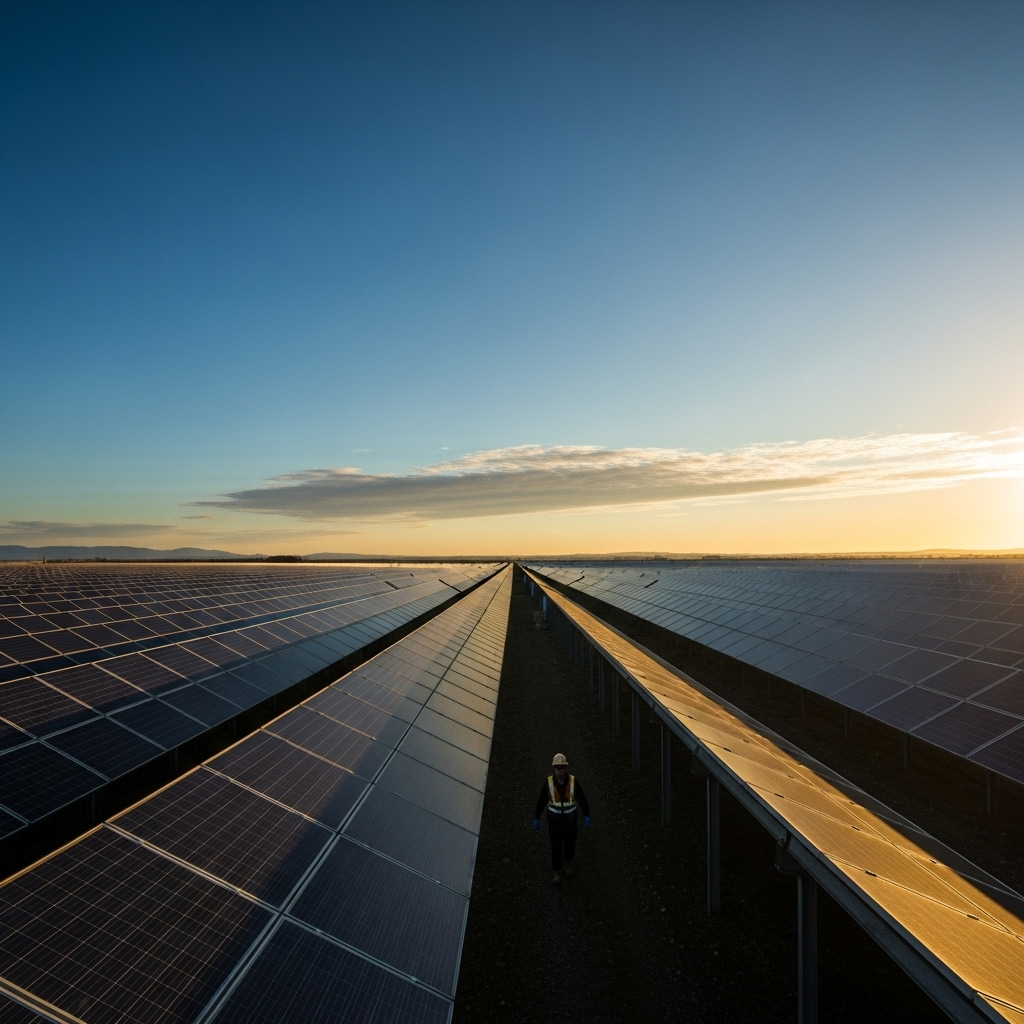
- Solar Panels: China controls over 80% of the global supply chain for solar panel manufacturing. This mass production has driven a dramatic decrease in the cost of solar energy, making it one of the cheapest sources of electricity in history for countries around the world.
- Wind Turbines: Chinese manufacturers have become major global players in the wind energy sector, producing turbines that are increasingly used in projects from Asia to Europe and South America.
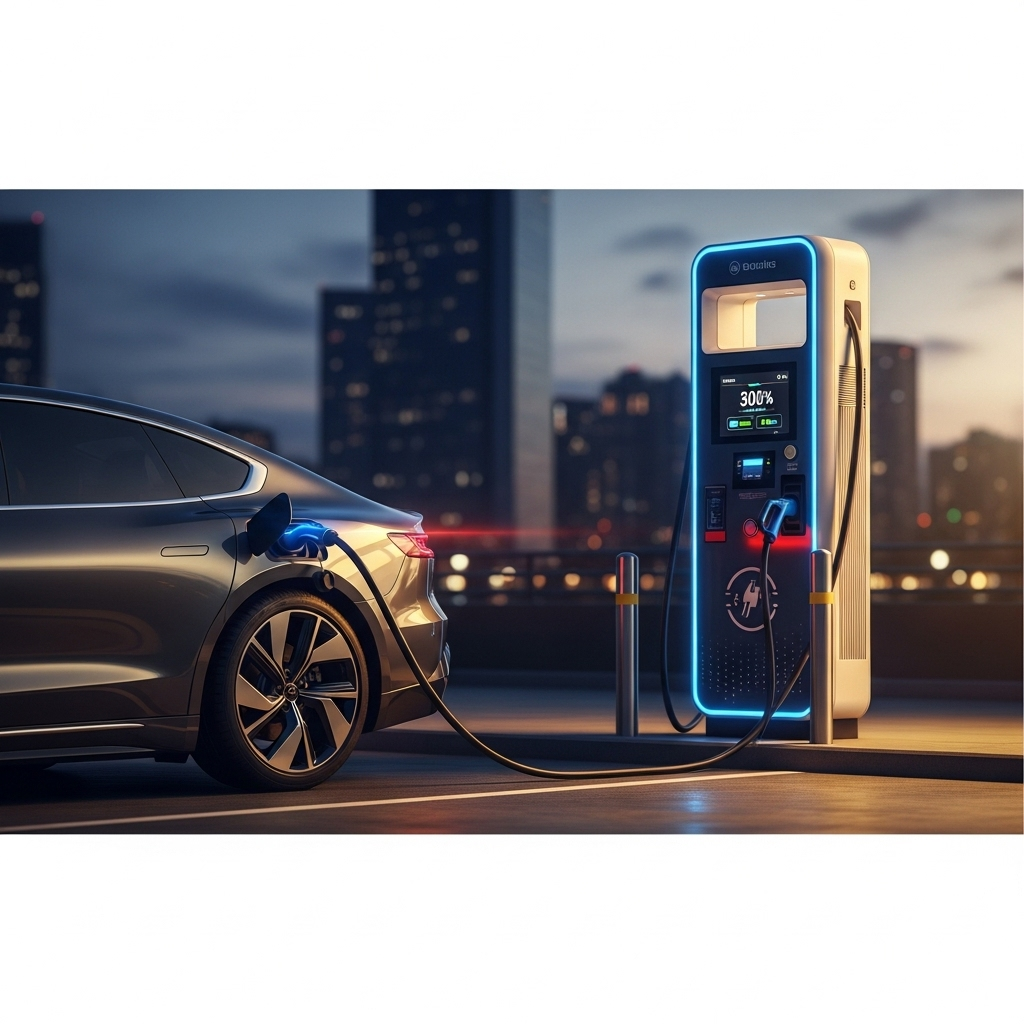
- Electric Vehicles (EVs) and Batteries: China is the world’s largest market for EVs and a dominant force in the production of lithium-ion batteries, a critical component for both vehicles and grid-scale energy storage.
This manufacturing dominance means that the global transition to renewable energy is, in many ways, reliant on Chinese industry. The tools needed to reduce emissions worldwide are largely “Made in China.” This is a key aspect of understanding modern renewable energy trends and their impact on climate goals.
Domestic Policies and the Fight Against Emissions
China’s government is not blind to the severe consequences of its emissions. The country faces significant domestic challenges from air pollution and the physical impacts of climate change. In response, Beijing has announced ambitious national targets, most notably the “dual carbon” goals: to peak co2 pollution before 2030 and to achieve carbon neutrality by 2060.
To meet these goals, China is deploying renewable energy at a breathtaking pace within its own borders. In a single recent year, China installed more solar power capacity than the entire existing capacity of the United States. It is also building vast wind farms and rapidly expanding its nuclear power fleet. These efforts represent the largest clean energy deployment in human history.
However, the challenge remains immense. Energy security is a paramount concern for the Chinese government, and coal is still seen as a reliable, domestic source of power. Despite the massive renewable rollout, new coal-fired power plants are still being approved to ensure the stability of the grid, creating a direct conflict with its climate ambitions. As the International Energy Agency often reports, balancing economic growth, energy security, and decarbonization is China’s central trilemma.
Global Implications of China’s Dual Role
China’s position as both the biggest polluter and the biggest green-tech provider creates a complex web of global interdependencies. On one hand, its low-cost solar panels and wind turbines have made the green transition economically viable for developing nations that would otherwise struggle to afford it. This has accelerated the global move away from fossil fuels.
On the other hand, this has created significant supply chain dependency. Many Western countries are now concerned about their reliance on China for the foundational technologies of their future energy systems. This has sparked discussions about diversifying supply chains and investing in domestic manufacturing, though catching up to China’s scale and cost-effectiveness presents a formidable challenge.
Geopolitically, China’s role allows it to exert significant influence. By controlling the means of the energy transition, it positions itself as an indispensable partner in the global fight against climate change, even as its own emissions remain the largest source of the problem.
The Future Path: Can China Lead the World Out of the CO2 Crisis?
Ultimately, the world cannot solve the climate crisis without China. The country’s trajectory in the coming decade will be the single most important factor in determining whether the world can limit global warming. The critical question is whether its transition to a low-carbon economy can happen fast enough to offset its current, massive emissions.
Success hinges on China’s ability to innovate further in green technology, reform its energy markets to favor renewables over coal, and implement policies that align its economic incentives with its environmental goals. The path is fraught with challenges, but China’s proven ability to mobilize resources for national priorities offers a glimmer of hope.
The world watches, simultaneously dependent on China’s green manufacturing and wary of its carbon footprint. Its struggle to reconcile its two roles—as the primary driver of co2 pollution and the primary engine of the clean energy transition—will define the climate story of the 21st century.
“`


