first 11 months: Federal Deficit Hits $2 Trillion CBO Says
The U.S. federal budget deficit has surged to a staggering $2.0 trillion during the first 11 months of the fiscal year, according to the latest monthly budget review from the nonpartisan Congressional Budget Office (CBO). This substantial figure, covering the period from October 2024 through August 2025, highlights the mounting fiscal pressures on the nation as it heads toward the fiscal year-end on September 30th.
The report underscores a challenging financial landscape shaped by rising interest rates, increased government spending on mandatory programs, and softer-than-expected tax revenues. As policymakers in Washington D.C. grapple with upcoming budget deadlines, this CBO data provides a critical, sobering look at the country’s financial state.
What’s Driving the $2 Trillion Deficit?
The CBO’s analysis points to a confluence of factors creating a perfect storm for the nation’s finances. The widening gap between what the government spends and what it collects is not due to a single cause but rather a combination of powerful economic and demographic forces.
A primary driver is the dramatic increase in net interest costs on the public debt. In its effort to tame inflation, the Federal Reserve has maintained higher interest rates. These rates have made it significantly more expensive for the Treasury Department to service the country’s massive national debt, which now exceeds $35 trillion. Interest payments have become one of the fastest-growing expenses in the entire federal budget.
Simultaneously, government outlays for mandatory programs continue their upward climb. Spending on Social Security has increased, driven by annual cost-of-living adjustments (COLAs) and the growing number of retirees. Likewise, expenditures for major healthcare programs like Medicare and Medicaid have risen due to increasing healthcare costs and an aging population.
On the other side of the ledger, federal revenues have failed to keep pace. The CBO notes that tax receipts, particularly from individual and corporate income taxes, have been lower than anticipated. This can be attributed to a variety of factors, including a moderating labor market and potentially lower capital gains realizations compared to previous years.
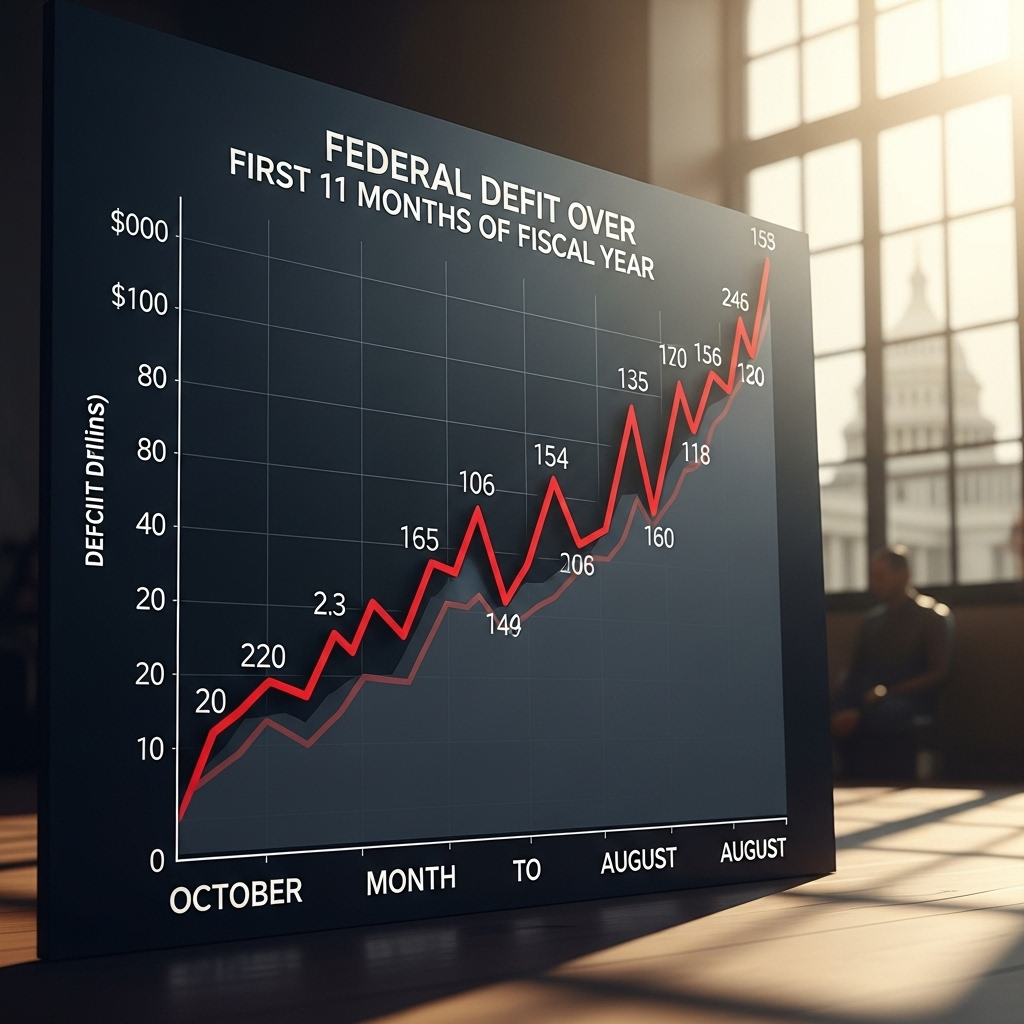
A Look at the First 11 Months Compared to Last Year
To fully grasp the significance of the $2.0 trillion figure, it’s essential to place it in context. The deficit for the first 11 months of fiscal year 2025 is substantially higher than in the same period for fiscal year 2024, when it stood at approximately $1.5 trillion. This represents a year-over-year increase of roughly $500 billion, or about 33%.
While the CBO cautions that some of this variation can be attributed to the timing of certain federal payments, the underlying trend is undeniably one of a widening fiscal gap. The core drivers—higher interest costs and mandatory spending growth—are not temporary shifts but structural challenges.
This comparison shows that the fiscal trajectory is worsening at an accelerated rate. The deficit didn’t just grow; it expanded by half a trillion dollars in less than a year, a pace that has many economists and budget analysts concerned about its long-term sustainability. You can explore more data on our page about the U.S. economy.
A Breakdown of Federal Revenue and Spending
Digging deeper into the CBO’s numbers reveals a clear picture of the fiscal imbalance during the first 11 months of the year.
Federal Revenues (Receipts)
Total government receipts were down by an estimated 7% compared to the same 11-month period last year. The primary sources of this decline include:
- Individual Income and Payroll Taxes: The largest source of federal revenue saw a notable decrease. This may reflect slower wage growth and a less robust job market than the previous year.
- Corporate Income Taxes: Receipts from corporations also fell, suggesting a potential dip in corporate profits or the impact of previously claimed tax deductions.
- Other Receipts: Minor revenue sources, including excise taxes and customs duties, also contributed to the overall decline.
Federal Spending (Outlays)
On the other side, total government spending increased by approximately 8%. The most significant areas of growth were:
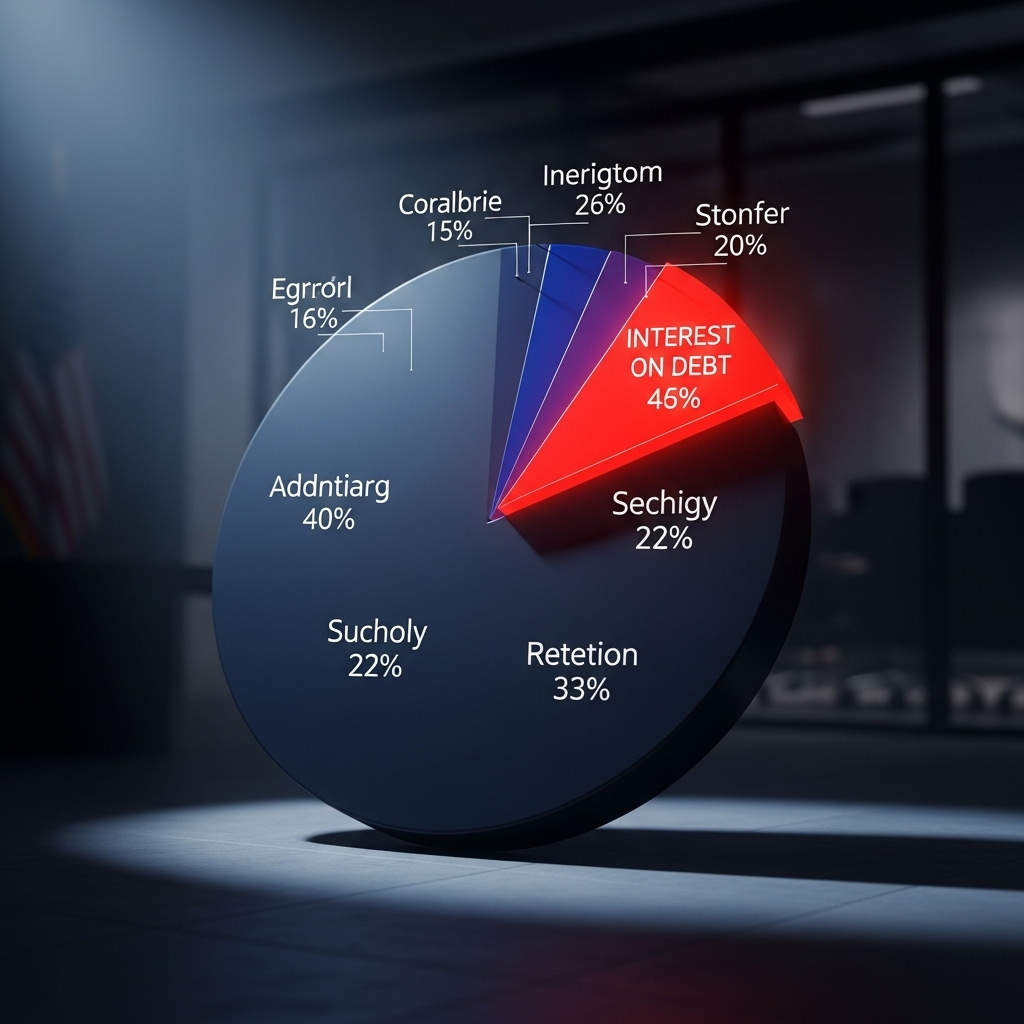
- Net Interest on the Public Debt: This category saw an explosive increase of over 40%. This is a direct result of the Treasury having to refinance maturing securities at much higher interest rates.
- Social Security: Benefit payments rose by about 10%, reflecting the latest COLA and the increasing number of Americans claiming benefits.
- Medicare and Medicaid: These healthcare programs saw spending rise as medical costs continue to climb and more individuals become eligible.
Economic Implications and the Path Forward
A deficit of this magnitude is not just an accounting issue; it has tangible consequences for the economy and for every American. Persistently large deficits can put upward pressure on inflation by stimulating demand beyond the economy’s productive capacity. This creates a difficult situation for the Federal Reserve, which may be forced to keep interest rates higher for longer to counteract this fiscal stimulus.
Furthermore, to finance the deficit, the U.S. Treasury must issue a large volume of government bonds. This increased supply can lead to higher long-term interest rates, which in turn affects borrowing costs for consumers and businesses. This means more expensive mortgages, car loans, and business investment loans, potentially slowing economic growth.
The CBO itself has consistently warned in its long-term outlooks that the current fiscal path is unsustainable. A growing national debt relative to GDP can eventually erode investor confidence and limit the government’s flexibility to respond to future emergencies, such as a recession or another global crisis. For more detailed analysis, you can visit the official Congressional Budget Office website.
Washington’s Reaction and the Political Divide
The release of these deficit figures is set to pour fuel on the already fiery political debate over fiscal responsibility in Washington. The approaching end of the fiscal year and the need to pass appropriations bills to fund the government will serve as a backdrop for this intensified conflict.
Republicans are expected to seize on the $2 trillion number as evidence of what they call “runaway spending” under the current administration. They will likely advocate for significant spending cuts to domestic programs as a prerequisite for any budget agreements.
Conversely, Democrats will likely defend the spending as necessary investments in the American people and the economy. They may point to the lingering effects of tax cuts enacted in previous administrations, arguing that insufficient revenue is a primary cause of the deficit. Protecting Social Security and Medicare from cuts will remain a core part of their platform.
This ideological clash will be central to upcoming negotiations, including the high-stakes debate over whether to extend the tax cuts enacted in 2017, many of which are set to expire at the end of 2025. The CBO’s report provides ammunition for both sides, ensuring that the deficit will be a key issue in the months ahead.

In conclusion, the CBO’s report for the first 11 months of the fiscal year paints a stark financial picture. The $2 trillion deficit is a clear signal that the nation faces significant structural challenges. As the fiscal year concludes, the choices made by policymakers regarding taxes, spending, and debt will have profound implications for the country’s economic stability for years to come.
“`