
FBI Insider: 3 Reasons Criminals Target the Windy City
Chicago, a city known for its stunning architecture, deep-dish pizza, and vibrant arts scene, also grapples with a persistent and complex crime landscape. While law enforcement agencies work tirelessly, the city remains a focal point for a wide range of criminal activities. We spoke with a recently retired special agent, a true FBI insider with over two decades of experience in federal law enforcement, to understand why the Windy City is such a magnet for criminal enterprises. He asked to remain anonymous but provided a stark look into the strategic thinking of modern criminals.
According to our source, the reasons are less about chance and more about strategic advantage. “Criminals, especially organized ones, are business people,” he explained. “They look for markets with high potential for profit and manageable risk. Chicago, for several key reasons, checks those boxes.”
Article Contents
1. The Crossroads of America: A Logistical Goldmine
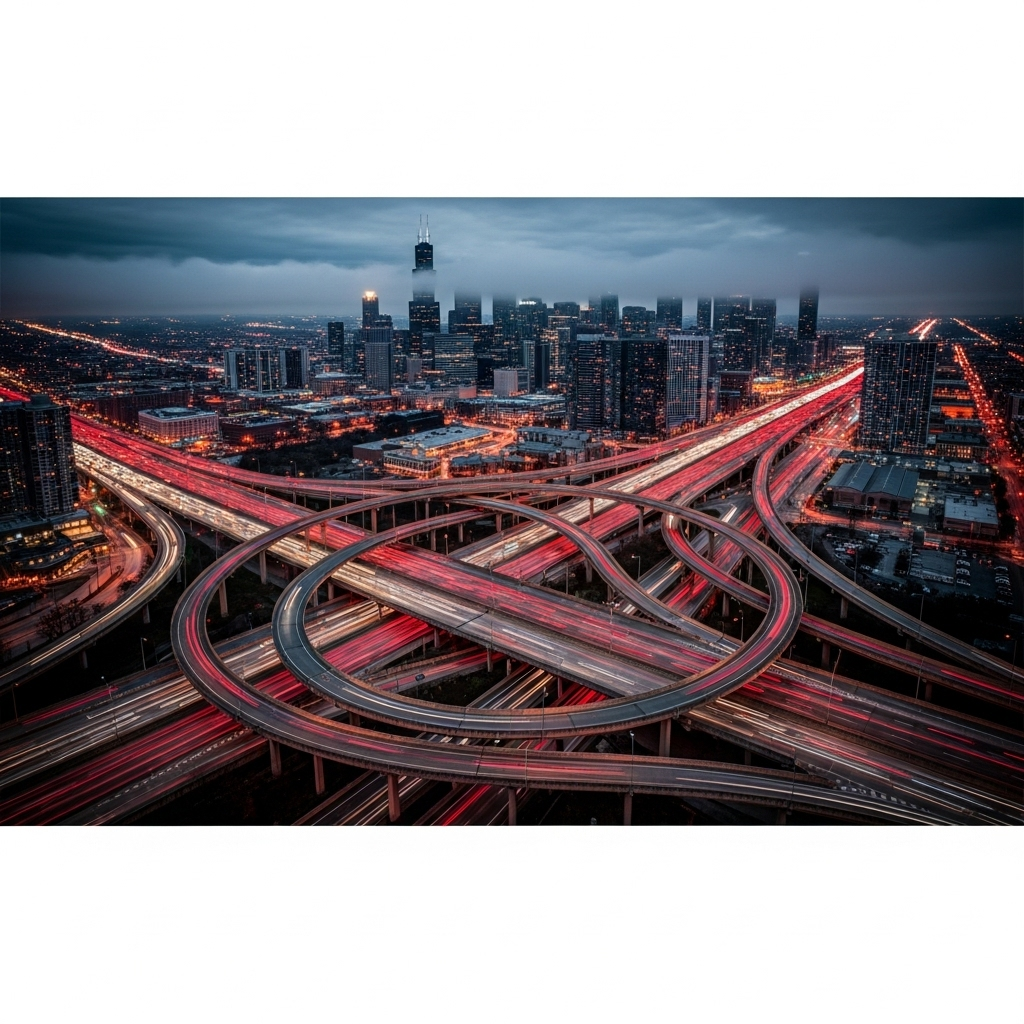
One of the most significant factors, our FBI insider notes, is Chicago’s geography and infrastructure. Situated in the heart of the Midwest, it serves as a massive transportation and logistics hub for the entire nation. This makes it an ideal location for the trafficking of illicit goods.
“Think of it as a distribution center,” he says. “If you can get a large shipment of drugs, weapons, or even people into Chicago, you can splinter it off and move it to dozens of other cities in a matter of hours.” The city is a nexus of major interstate highways like I-90, I-80, and I-55. It also boasts one of the world’s busiest airports, O’Hare International (ORD), and an extensive rail system.
This intricate network provides criminals with countless options for moving contraband, making it incredibly difficult for law enforcement to monitor every route. A single truck can blend in with the thousands of commercial vehicles that pass through the city daily. For organized crime, this logistical advantage translates directly to lower risk and higher profit margins. The Federal Bureau of Investigation frequently collaborates with local and state partners to disrupt these supply chains, but the sheer volume of traffic presents a monumental challenge.
Furthermore, the same infrastructure used for illegal goods is also exploited for human trafficking. The constant flow of people through airports, bus stations, and train depots provides cover for traffickers moving victims into, out of, and through the city.
2. What an FBI Insider Reveals About Historic Crime Networks
You can’t discuss crime in Chicago without acknowledging its history. From Al Capone to the Outfit, the city has a long and storied past with organized crime. According to our FBI insider, these historical roots have created a deeply entrenched criminal infrastructure that persists to this day.
“It’s not just about history; it’s about established networks,” he clarifies. “Generations of gang activity and organized crime have created a pre-existing framework. New criminal elements don’t have to build from scratch. They can often tap into existing structures for distribution, enforcement, and money laundering.”
These legacy networks are resilient and adaptable. While the faces and commodities may change—from illegal alcohol during Prohibition to fentanyl today—the underlying methods of operation often remain. This established hierarchy and “business” structure provide a level of stability and predictability that is attractive to high-level criminals. They know the unwritten rules, the key players, and the territories.
This creates a complex challenge for law enforcement. Dismantling a single operation is often not enough, as the larger network can quickly adapt and fill the void. It’s like cutting a head off a hydra. An FBI insider understands that tackling this problem requires a long-term strategy focused on dismantling the entire network, not just arresting individual players. This often involves lengthy investigations using RICO statutes, which were designed to prosecute entire criminal enterprises. For further reading, see our related article on Chicago’s Most Notorious Cold Cases, many of which are tied to these very networks.

3. Socioeconomic Disparities and Jurisdictional Gaps
The third major factor is a combination of socioeconomic conditions and complex jurisdictional boundaries. Certain neighborhoods in Chicago face significant challenges, including high rates of poverty, unemployment, and lack of opportunity. Our source was clear that this is a critical piece of the puzzle.
“Criminal organizations thrive where desperation exists,” he states. “They prey on disenfranchised communities, offering money and a sense of belonging to youths who feel they have no other options. These areas become fertile recruiting grounds, providing a steady supply of low-level members needed for street-level operations.”
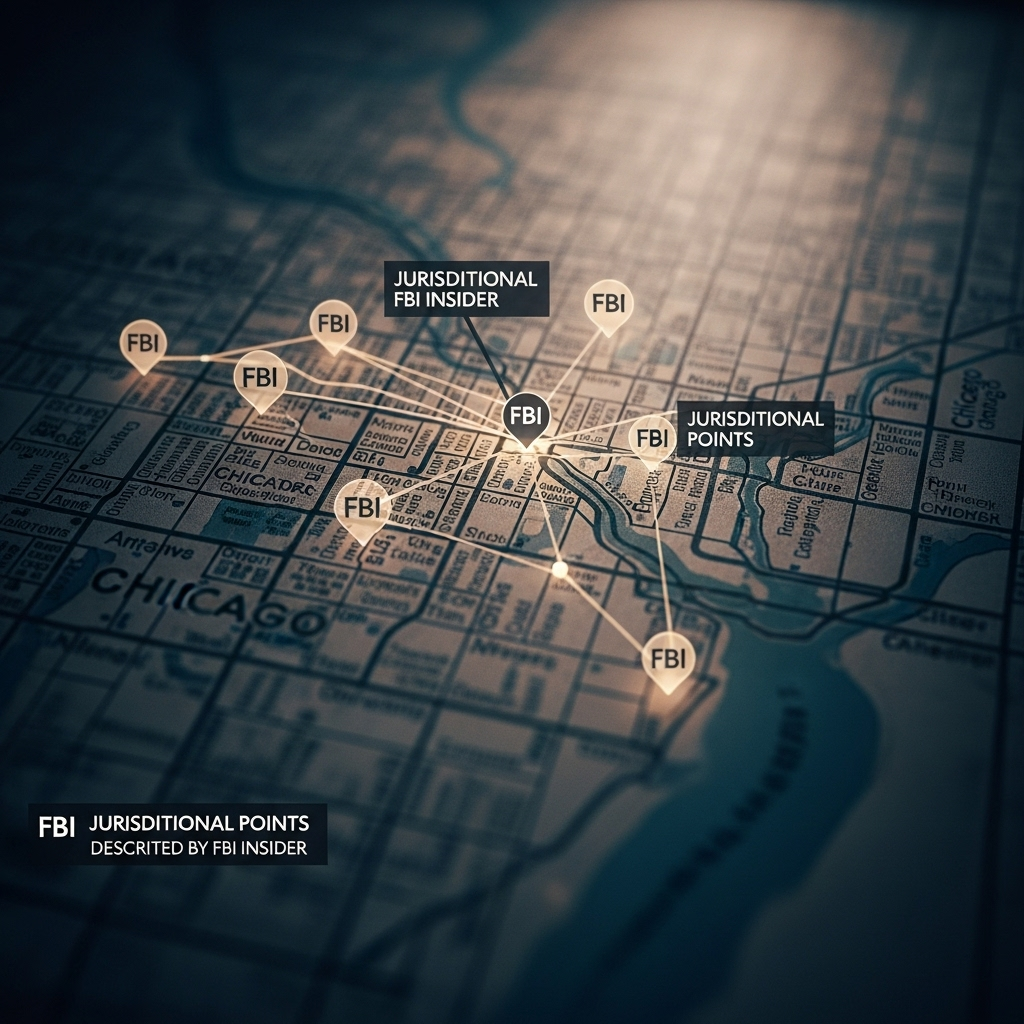
This issue is compounded by jurisdictional complexity. The Chicagoland area is a patchwork of different law enforcement agencies. You have the Chicago Police Department, the Cook County Sheriff’s Office, Illinois State Police, and numerous suburban police departments, all operating in close proximity. While agencies strive to cooperate, these boundaries can sometimes create seams and gaps that criminals are quick to exploit.
An offender might commit a crime in one jurisdiction and flee to another, complicating the initial response and investigation. Coordinating multi-agency efforts takes time and resources, a delay that can give criminals a crucial head start. Federal agencies like the FBI often step in to bridge these gaps and lead task forces, but the inherent complexity of the system remains a strategic advantage for those operating outside the law. Data from the Chicago Police Department’s data portal often highlights crime hotspots that align with these socioeconomic and jurisdictional fault lines.
Conclusion: A Complex Challenge
The reasons criminals target Chicago are multifaceted and deeply rooted. As our FBI insider explained, it’s a strategic calculation based on logistical advantages, established networks, and systemic vulnerabilities. The city’s role as a transportation hub makes it a trafficker’s dream, while its history of organized crime provides a ready-made infrastructure for illegal enterprise.
Finally, persistent socioeconomic disparities create a cycle of recruitment and violence that is difficult to break. While the dedicated officers of local, state, and federal agencies continue to combat these threats, understanding the “why” is crucial for developing more effective, long-term solutions. For the foreseeable future, Chicago will likely remain a key battleground in the fight against organized crime in America.


