
1.9M Vehicles Recalled by Ford Over Camera Defect Risk
1.9M Vehicles Recalled by Ford Over Camera Defect Risk
In a significant safety action, Ford Motor Company has announced a massive recall affecting nearly 1.9M vehicles across North America. The recall addresses a critical defect in the rearview camera system, which can fail unexpectedly, increasing the risk of a crash. This action covers a wide range of popular Ford and Lincoln models from the 2020-2023 model years.
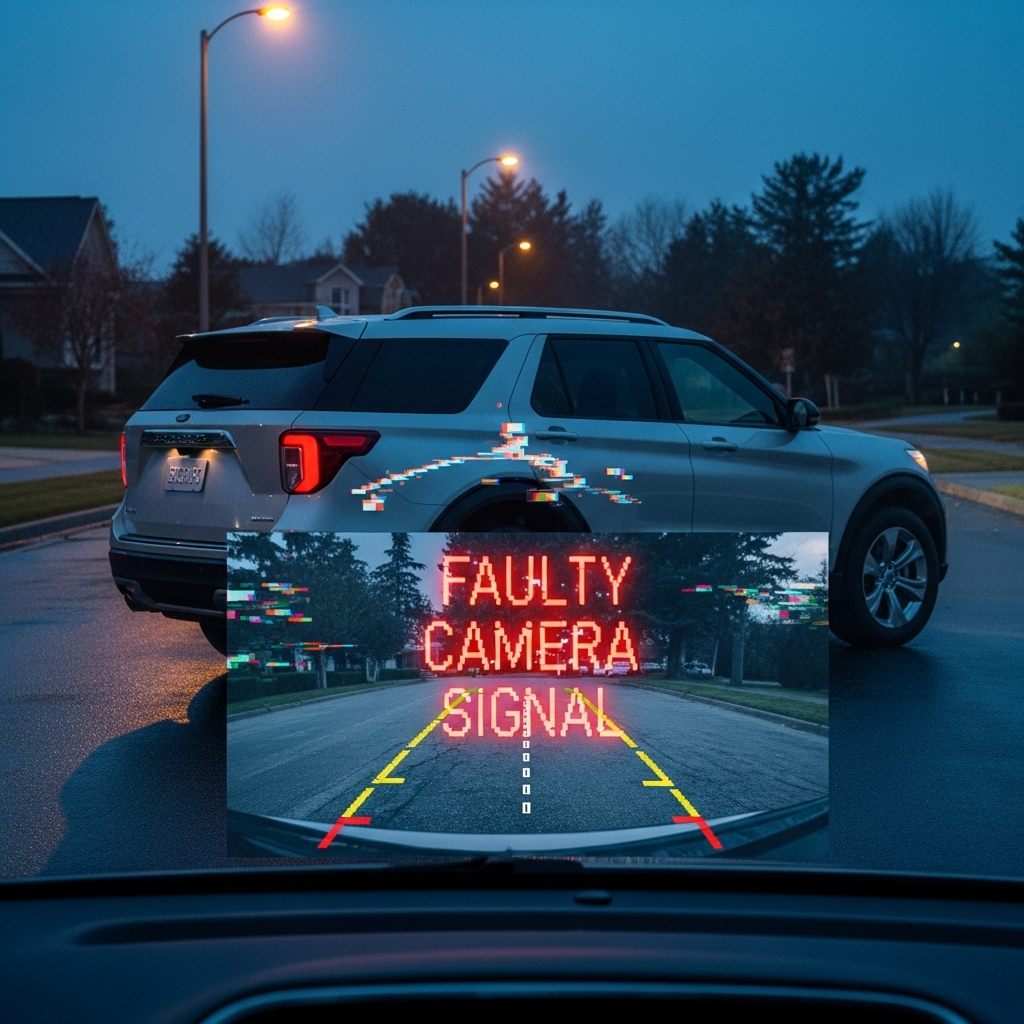
The issue stems from a faulty Image Processing Module (IPM-B) that can cause the rearview camera to intermittently display a blue or black screen when the vehicle is placed in reverse. For the owners of these 1.9m vehicles, this means a loss of the crucial rear-facing image, a violation of Federal Motor Vehicle Safety Standards.
Article Contents
What’s the Problem? The Rearview Camera Defect Explained
According to documents filed with the National Highway Traffic Safety Administration (NHTSA), the defect is linked to the internal Image Processing Module, designated IPM-B. This module is responsible for receiving the video feed from the rear-mounted camera and displaying it on the vehicle’s center screen. Due to a manufacturing issue, the module can suffer from poor electrical connections, leading to a loss of signal.
When this failure occurs, drivers may experience one of several symptoms:
- A completely black screen where the camera image should be.
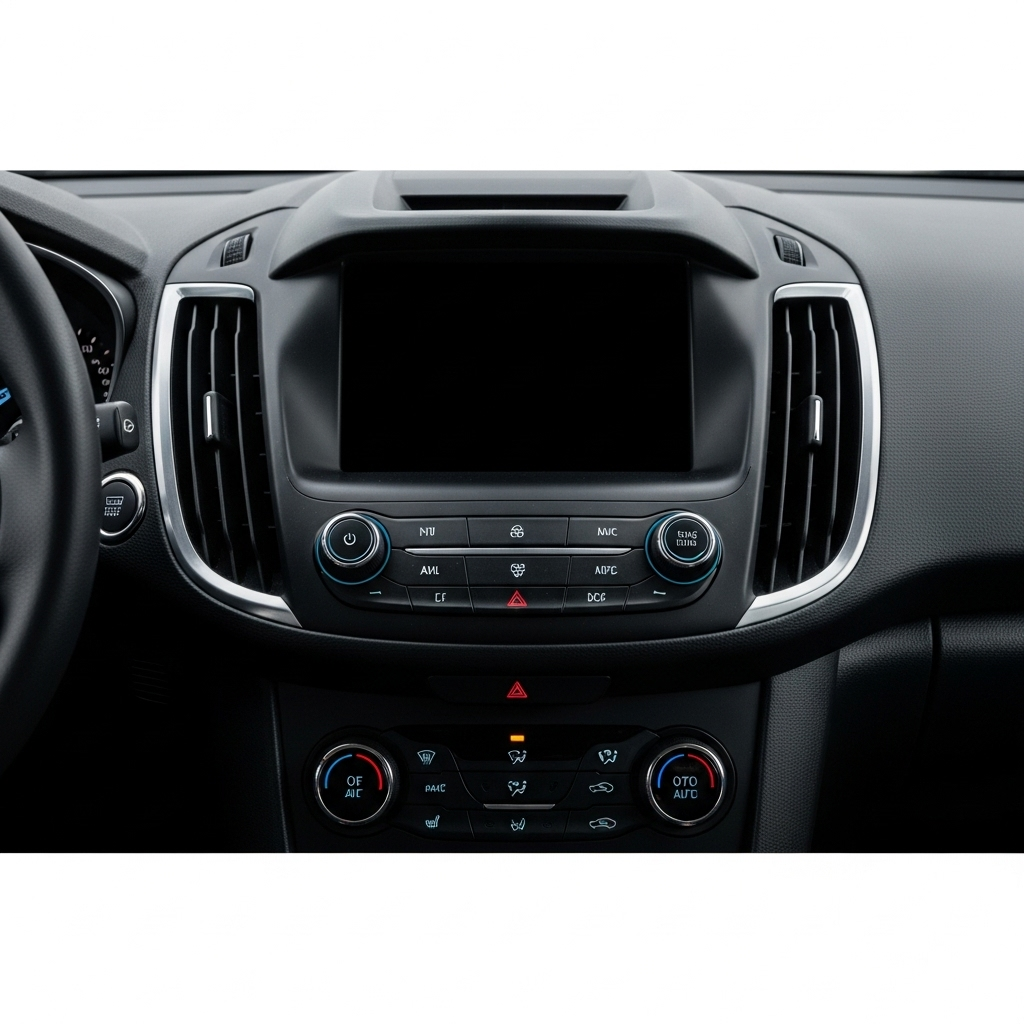
- A solid blue screen, indicating a loss of video input.
- Intermittent functionality, where the camera works sometimes but fails at other times.
This issue directly contravenes Federal Motor Vehicle Safety Standard No. 111, which mandates rearview visibility systems in all new light vehicles. The standard is in place to reduce the risk of backover accidents, which often involve pedestrians, cyclists, or small children who are difficult to see without camera assistance. Ford noted in its filing that it is aware of several hundred warranty claims related to the issue but, fortunately, no reports of accidents or injuries.
Which Ford Models Are Part of the 1.9M Vehicles Recall?
This extensive recall of 1.9m vehicles impacts some of the most popular models in the Ford and Lincoln lineups. Owners of the following vehicles are urged to check if their specific car is included in this safety campaign.
The recall includes:
- Ford Explorer: 2020-2023
- Lincoln Aviator: 2020-2023
- Lincoln Corsair: 2020-2022
- Ford Transit Connect: 2022-2023
- Ford Mustang Mach-E: 2021-2023
It’s crucial to understand that not every vehicle from these model years will be affected. The inclusion depends on the specific manufacturing date and the type of camera system installed. Therefore, the most reliable way to confirm if your vehicle is part of the recall is by using your Vehicle Identification Number (VIN). We provide instructions on how to do that in the section below.
The Safety Risks: Why This Recall Matters
A functioning rearview camera is more than a convenience; it is a vital piece of safety equipment. The primary danger of a failing camera is the significantly increased risk of a backover crash. When reversing, drivers rely on the camera to see objects, pets, and people—especially small children—who may be in their blind spots.
Without the camera feed, a driver’s rearward visibility is drastically reduced. This can lead to:
- Striking a pedestrian or cyclist in a parking lot or driveway.
- Colliding with another vehicle while backing out of a parking space.
- Hitting stationary objects like poles, shopping carts, or landscaping, leading to vehicle damage.
The NHTSA takes these issues very seriously. A non-compliant rearview camera system poses a direct and unreasonable risk to safety, which is why recalls of this nature are mandated. For the families that own any of the nearly 1.9 million affected vehicles, addressing this recall promptly is essential for peace of mind and the safety of those around them. You can read more about backover accident statistics on the official NHTSA website.
What Should Owners of Affected Vehicles Do?
If you own one of the potentially affected models, there are clear steps you should take immediately. Do not wait to receive a letter in the mail if you are concerned.
1. Locate Your VIN: Your Vehicle Identification Number (VIN) is a 17-digit code found on the driver’s side dashboard (visible through the windshield) or on the driver’s side door jamb sticker. It is also listed on your vehicle’s registration and insurance documents.
2. Check for Recalls: Visit the NHTSA’s recall website or Ford’s official recall portal and enter your VIN. This is the fastest and most accurate way to confirm if your specific vehicle is included in the recall of 1.9m vehicles.
3. Await Official Notification: Ford will begin mailing official recall notices to the owners of affected vehicles starting in early October. The letter will provide details about the defect, the risks, and instructions on how to get the repair done.
4. Schedule Your Free Repair: Once you receive the notification, or confirm your VIN is included online, contact your local Ford or Lincoln dealership to schedule a service appointment. The repair will be performed free of charge. Due to the scale of the recall, parts and service appointments may be limited initially, so it is wise to call ahead.
For more information, you can also check our vehicle recall news section for updates on this and other safety campaigns.
Ford’s Response and the Planned Fix
Ford has outlined a clear remedy for this widespread issue. Dealers have been instructed to inspect the rearview camera system and, where necessary, replace the faulty Image Processing Module (IPM-B). In some cases, a software update may also be required to ensure stable communication between the camera and the module.
A spokesperson for Ford stated, “We are committed to the safety of our customers. We apologize for any inconvenience this recall may cause and are working closely with our dealers and suppliers to expedite the repair process for the 1.9m vehicles affected and resolve this issue for our customers as quickly as possible.”
The repair process is expected to take a few hours, though dealership service times may vary. Ford has confirmed that it has secured a sufficient supply of replacement parts to service the large volume of vehicles involved in this recall campaign. Owners who have already paid for a repair related to this specific issue may be eligible for reimbursement and should consult their dealer for details.
“`