
‘block everything’ protests’: France Sees 100s Arrested
France has been brought to a standstill this week as the massive ‘block everything’ protests have escalated, leading to widespread disruption and the arrest of hundreds of individuals across the country. Major highways, city centers, and fuel depots have become focal points for demonstrators, who are voicing their anger over a controversial new economic reform package.
What Sparked the ‘Block Everything’ Protests?
The catalyst for the nationwide demonstrations is the government’s newly announced “Eco-Solidarity Pact,” a sweeping set of reforms aimed at accelerating France’s green transition. While the government has touted the package as essential for meeting climate goals, critics argue it disproportionately burdens the working and middle classes.
Key grievances include:
- A sharp increase in fuel taxes, particularly on diesel, which is heavily used by farmers, transportation workers, and those living in rural areas with limited public transit.
- Stricter emissions standards for older vehicles, effectively forcing many to purchase newer, more expensive cars.
- Reduced agricultural subsidies for non-organic farming, which many farmers claim will bankrupt them without a viable transition period.
“They call it ‘eco-solidarity,’ but it feels like a punishment for those of us who work the land and keep the country moving,” said Jean-Luc Fournier, a farmer protesting near Lyon. “We have no choice but to block everything so they finally listen.” This sentiment is a common thread among those participating in the ‘block everything’ protests, which have drawn a diverse coalition of farmers, truckers, and other workers.
A Nation at a Standstill: The Impact
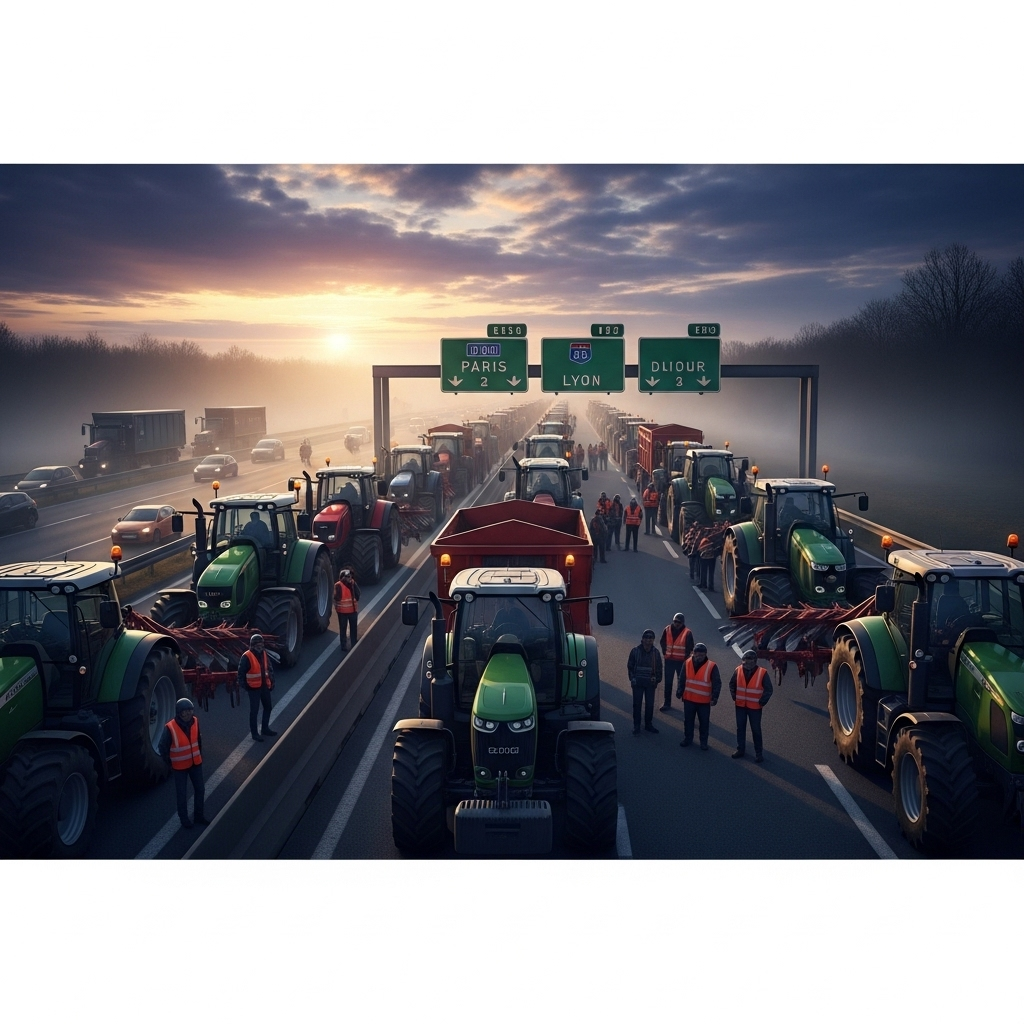
The “block everything” strategy, or ‘opération blocage total’ as it’s known locally, has been devastatingly effective. Protesters have used tractors, trucks, and burning tires to create blockades on critical arteries like the A1 motorway connecting Paris and Lille, and the A7, a vital route to the south of France and Spain.
The consequences have been immediate and far-reaching. Supply chains are in disarray, with reports of empty supermarket shelves in some regions. Commuters have faced hours-long traffic jams, and many have been unable to get to work. The economic cost is already estimated to be in the hundreds of millions of euros per day, impacting everything from manufacturing to tourism.
These actions are reminiscent of past French protest movements, but observers note the exceptional level of coordination and determination this time. The ‘block everything’ protests are not just a momentary disruption; they are a sustained challenge to the government’s authority and economic direction. You can read more about the economic impact on our European Economy page.

Government Response and Mass Arrests
Initially, the government took a firm but watchful stance, hoping the protests would lose momentum. However, as the blockades intensified, the Interior Ministry authorized a much stronger response. Over the last 48 hours, Gendarmerie and CRS riot police have been deployed in force to dismantle the blockades.
Clashes have been reported in several locations, with police using tear gas and water cannons to disperse crowds. In response, some protesters have thrown projectiles, leading to a tense and volatile atmosphere. According to a statement from the Interior Minister, over 850 individuals have been arrested nationwide on charges ranging from obstructing traffic to violence against law enforcement officers.
President Macron’s administration has defended the police action as necessary to “restore public order and the freedom of movement.” In a televised address, the Prime Minister stated, “While the right to protest is a cornerstone of our democracy, the right to work, travel, and live normally cannot be held hostage.” This hardline stance has been criticized by opposition parties and unions, who accuse the government of prioritizing force over dialogue. For more background, see our analysis of the Macron presidency.
Looking Ahead: What’s Next for France?
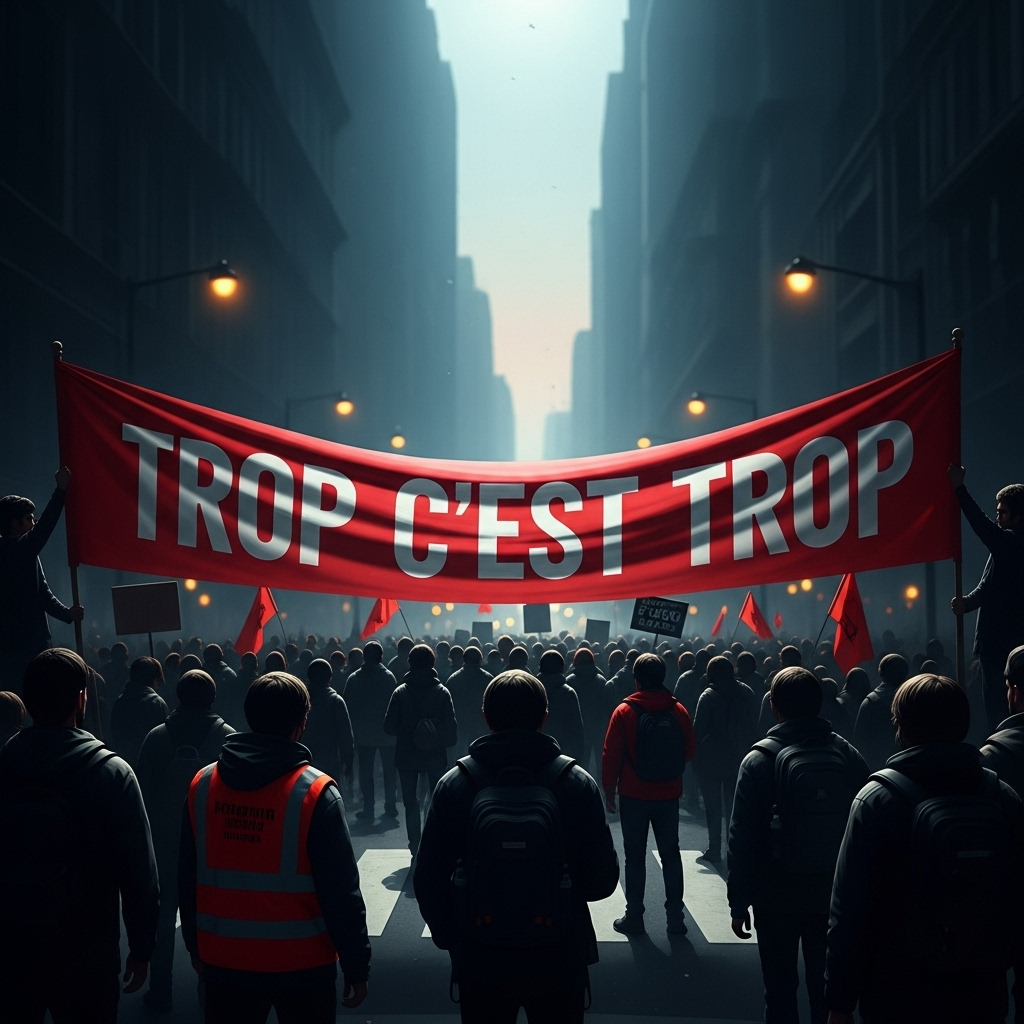
With hundreds in custody and police actively clearing blockades, the immediate future of the ‘block everything’ protests is uncertain. Protest organizers have called for an escalation, threatening to block oil refineries and ports if their demands are not met. The government, meanwhile, has shown little sign of willingness to back down on its core reforms, though it has offered to open negotiations on the “modalities of implementation.”
The situation remains incredibly fluid. The government is betting that a strong police presence and the strain of the blockades on the general public will erode support for the movement. Protesters are betting that the economic pain will force the government to concede. This high-stakes confrontation has put France on edge, with many fearing a prolonged period of social unrest.
International news outlets are watching closely. According to a recent report from Reuters, the protests could have a ripple effect on supply chains throughout the European Union. The coming days will be critical in determining whether a path to de-escalation can be found or if France is heading for an even deeper crisis. As a leading French newspaper, Le Monde, editorialized, “The government is facing more than a protest; it is facing a profound social fracture.”
“`


