
‘block everything’ protests: Hundreds Arrested in France
(Table of Contents)
- What Fueled the ‘block everything’ protests?
- Escalation and Clashes: A Timeline of Events
- Government Response and Public Reaction
- What’s Next for the Movement Behind the ‘block everything’ protests?
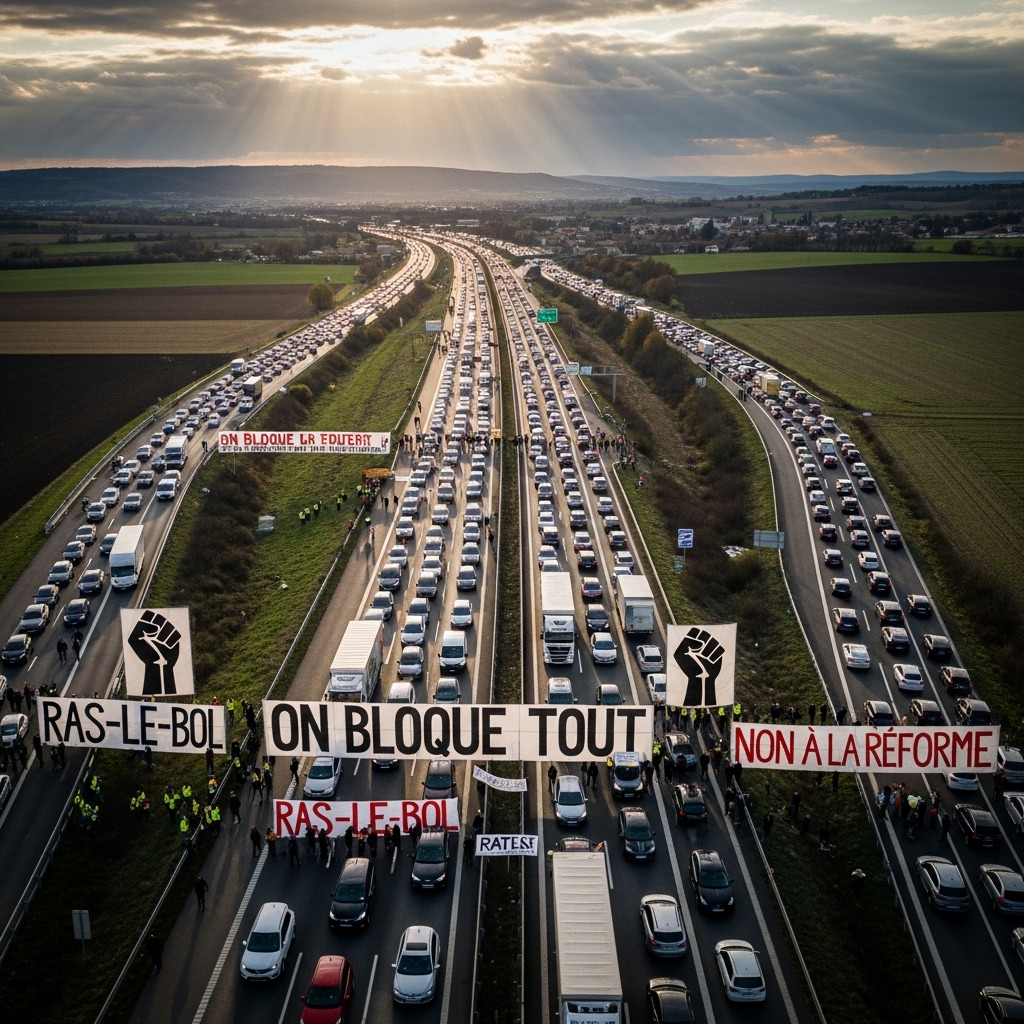
France has been rocked by a series of nationwide demonstrations, dubbed the ‘block everything’ protests, culminating in chaotic scenes and the arrest of several hundred individuals. Major cities, including Paris, Lyon, and Marseille, saw key infrastructure such as highways, distribution centers, and city centers brought to a standstill by organized groups of protesters expressing widespread discontent with economic pressures and government policies. The movement, which gained momentum through social media, represents a significant challenge to President Emmanuel Macron’s administration.
The core of the issue stems from a potent mix of frustrations. Protesters, a diverse coalition of farmers, transport workers, and ordinary citizens, are demanding immediate government action on soaring inflation, rising fuel costs, and what they describe as crippling environmental regulations. The “tout bloquer,” or “block everything,” strategy was designed to cause maximum economic disruption to force a response from policymakers in Paris.
What Fueled the ‘block everything’ protests?
The ‘block everything’ protests did not emerge from a vacuum. They are the visible symptom of deep-seated economic anxiety that has been simmering across France for months. At the forefront of the grievances is the crushing cost of living. Families report struggling to afford basic necessities as inflation outpaces wage growth, a common complaint echoed across Europe.
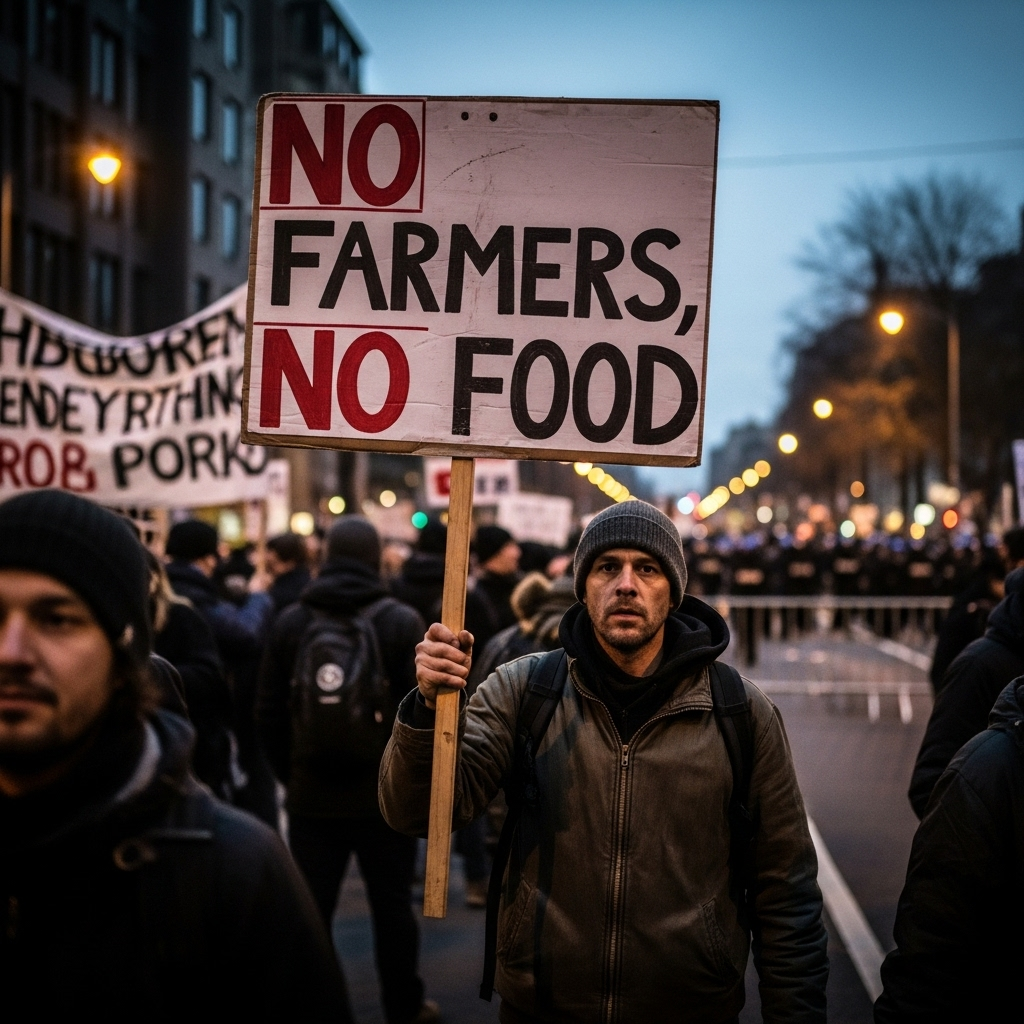
French farmers, a vocal and powerful contingent within the movement, have their own specific set of demands. They argue that a combination of cheap foreign imports, EU-mandated environmental rules (the “Green Deal”), and pressure from large supermarket chains has made it nearly impossible to operate profitably. “We are asked to save the planet while our own livelihoods are dying,” said one farmer at a blockade near Toulouse. “We cannot compete when our hands are tied.” This sentiment is a key driver behind their participation in the disruptive protests.
Furthermore, the government’s recent policies, including gradual increases in fuel taxes and perceived inaction on agricultural support, have acted as a catalyst. Many citizens feel that the government is disconnected from the realities of their daily lives. This perception of neglect has unified disparate groups under the single, disruptive banner of the ‘block everything’ protests. For more on the economic background, see our previous analysis of French economic policy challenges.
Escalation and Clashes: A Timeline of Events
What began as localized demonstrations quickly escalated into a coordinated national movement. The strategy was simple and effective: use vehicles, tractors, and human barricades to shut down vital economic arteries.
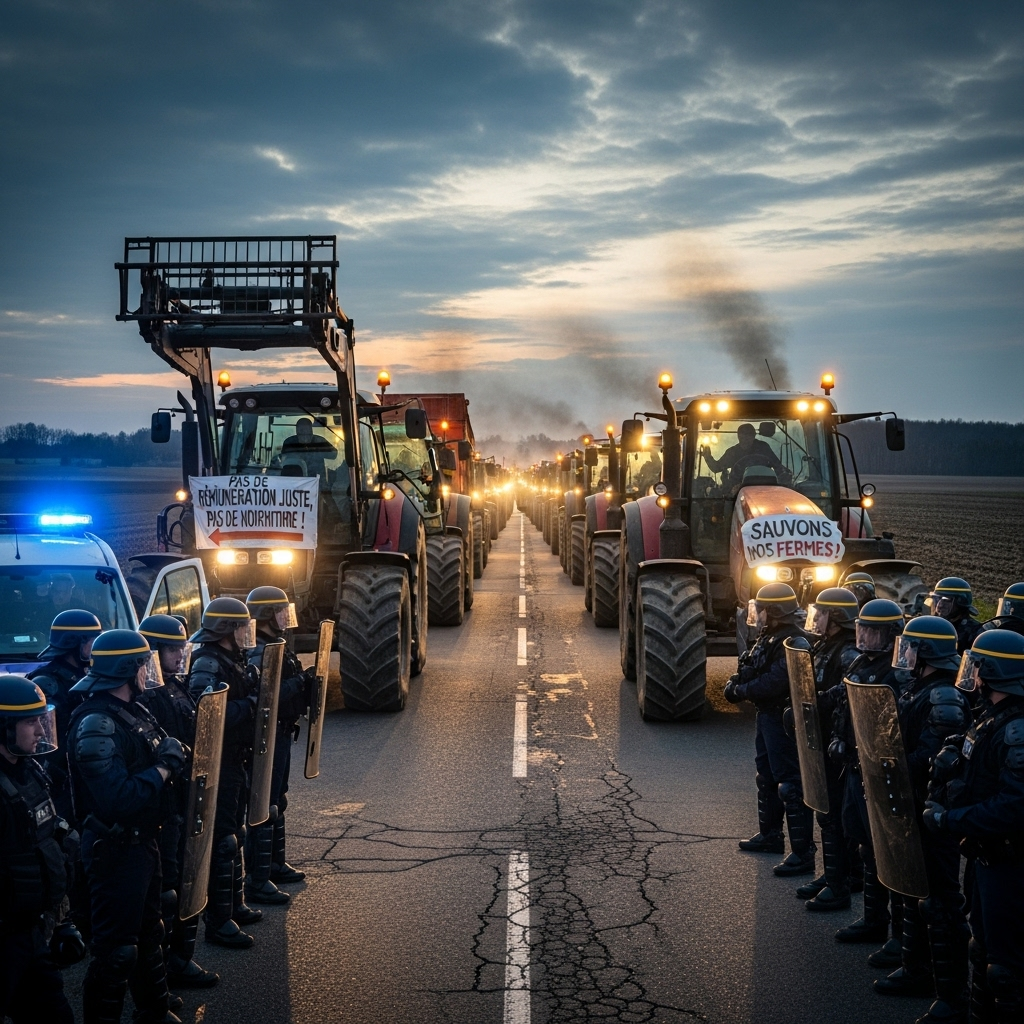
Early last week, small groups of farmers began blocking regional roads. By Wednesday, the movement had swelled, with convoys of tractors converging on major cities. The A1 motorway, a critical route leading into Paris, was completely blocked for over 24 hours, causing miles of traffic jams and disrupting supply chains. Similar scenes played out on major highways around Lyon and the port city of Marseille.
The situation turned volatile on Thursday evening. As police forces were deployed to dismantle the blockades, clashes erupted. Protesters in some areas set fire to tires and pallets, creating walls of smoke and flame. In response, riot police used tear gas and water cannons to disperse the crowds. The French Interior Ministry confirmed that over 400 arrests were made nationwide, primarily for charges of public disorder, destruction of property, and resisting arrest.
Eyewitnesses described tense standoffs, with protesters refusing to yield. The ‘block everything’ protests had transformed from a demonstration of economic desperation into a direct confrontation with state authority.
Government Response and Public Reaction
The French government’s response has been a delicate balancing act. Interior Minister Gérald Darmanin condemned the violence and property damage, stating that “the right to protest does not mean the right to destroy or to endanger the lives of others.” He emphasized that law enforcement would continue to act firmly to restore public order.
Simultaneously, Prime Minister Gabriel Attal has attempted to de-escalate the situation by opening a dialogue. He announced a series of emergency meetings with farming unions and transport associations, promising to listen to their concerns. The government has already floated potential concessions, including a temporary pause on a planned fuel tax increase and a package of emergency aid for the agricultural sector. These measures are detailed on the official French government website.
Public opinion remains deeply divided. While many citizens are frustrated by the disruptions to their daily lives, polls indicate significant sympathy for the protesters’ underlying grievances. A recent survey showed that nearly 60% of the public supports the demands of the farmers, even if they do not agree with the “block everything” methods. This widespread support makes a purely forceful government response politically risky.
What’s Next for the Movement Behind the ‘block everything’ protests?
The future of the ‘block everything’ protests hinges on the government’s next moves. Protest leaders have declared that the blockades will continue, and could even intensify, if the concessions offered are not substantial and immediate. “Words are not enough,” a spokesperson for a leading farmers’ union stated. “We need concrete actions and long-term guarantees.”
The arrests may serve to galvanize the movement rather than deter it, with supporters viewing those detained as martyrs for the cause. The key question is whether the government’s promises will be sufficient to persuade the various factions to clear the roads and return to the negotiating table.
This situation is more than just a French domestic issue; it’s a reflection of a broader wave of discontent sweeping across Europe. Similar protests by farmers and other groups have occurred recently in Germany, Poland, and the Netherlands. The outcome of the ‘block everything’ protests in France will be closely watched by governments and citizen groups across the continent, potentially setting a precedent for how such widespread civil unrest is handled in the years to come.
“`


