
French Doctor on Trial for Poisoning 30 Patients, 12 Fatally
A chilling case unfolds in a French courtroom as an anesthesiologist stands accused of a staggering betrayal of trust, allegedly poisoning patients to create emergencies he could then heroically solve.
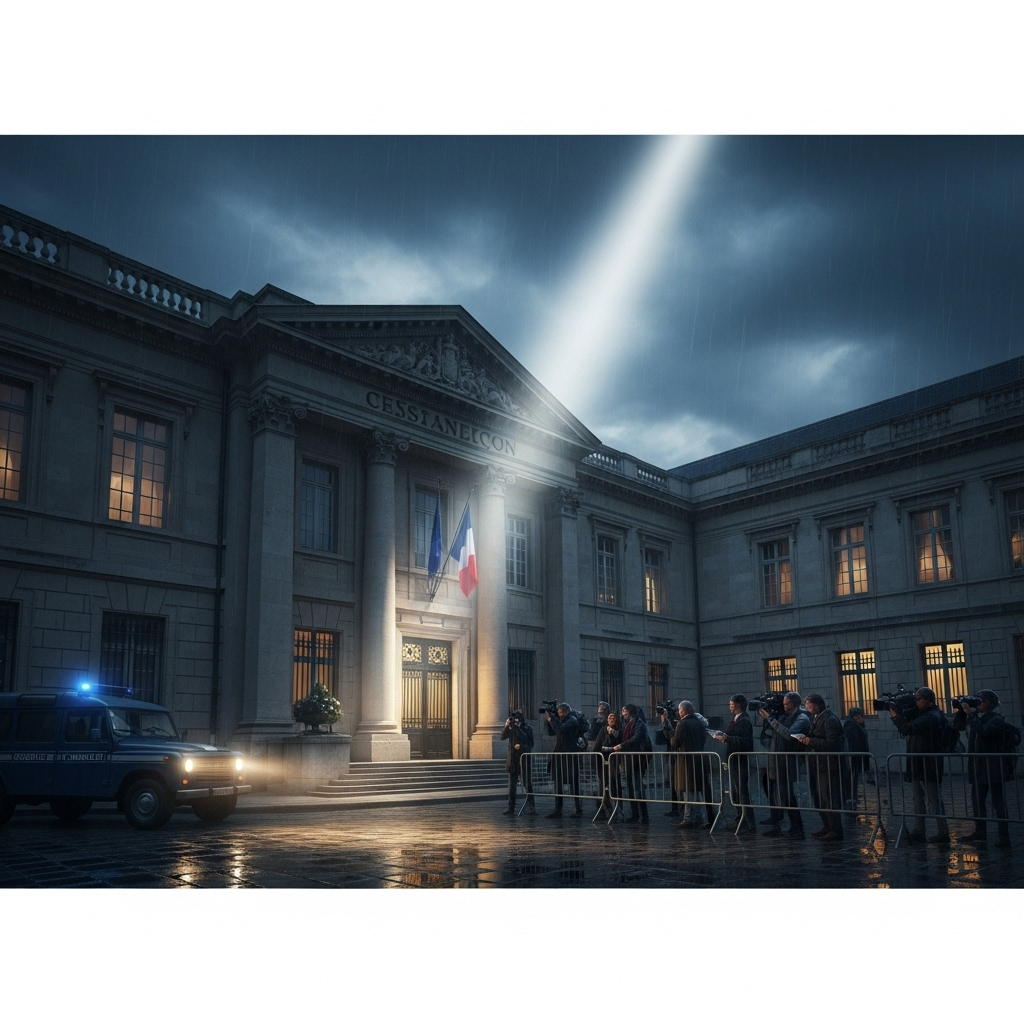
In a case that has gripped France and sent shockwaves through the global medical community, a prominent french doctor, Dr. Frédéric Péchier, is on trial for the poisoning of 30 patients over nearly a decade. The prosecution alleges that the 52-year-old anesthesiologist deliberately tampered with intravenous bags, leading to 12 tragic deaths and leaving 18 other patients in critical condition. The trial, held in the eastern city of Besançon, aims to unravel a complex web of events that prosecutors describe as a twisted “firefighter-arsonist” scheme.
The core of the accusation is that Dr. Péchier intentionally induced medical emergencies in otherwise stable patients undergoing routine surgeries. By allegedly spiking their IV drips with lethal doses of potassium chloride or local anesthetics, he would trigger sudden and unexpected cardiac arrests. He would then swoop in, demonstrate his superior medical skills by resuscitating the patient, and garner praise from his colleagues for his quick thinking and expertise.
The Shocking Allegations Against the French Doctor
The prosecution’s case paints a disturbing picture of a medical professional allegedly driven by a narcissistic need for admiration. According to court documents, the alleged poisonings occurred between 2008 and 2017 at two separate private clinics where Dr. Péchier worked in Besançon. The patients targeted were diverse, ranging in age from four to 80, and were undergoing low-risk procedures when they suddenly experienced life-threatening complications.
The indictment details a methodical approach. Prosecutors claim Dr. Péchier would tamper with IV bags in the operating theater, introducing substances that would be difficult to trace after the fact. When a patient’s condition would inexplicably deteriorate, Dr. Péchier was often conveniently nearby, ready to lead the resuscitation efforts. Colleagues testified that he appeared unusually calm and effective during these high-stress situations, a trait that initially earned him respect but later became a point of suspicion.
“He enjoyed the tension,” one prosecutor stated in the opening arguments, “the feeling of being the only one who could manage a crisis he himself had created.” The charges against him include 12 counts of murder by poisoning and 18 counts of attempted murder by poisoning. If convicted, he faces a sentence of life in prison.
A Pattern of Unexplained Incidents
Suspicions against the french doctor first arose in 2017 after a cluster of cardiac arrests occurred during surgeries at the Saint-Vincent clinic. An internal investigation was launched when medical staff could not find a clinical explanation for the sudden, severe events in healthy patients. This probe uncovered a disturbing pattern: Dr. Péchier was the common denominator, being the anesthesiologist on duty or nearby during each incident.
Investigators analyzed the tampered IV bags and found traces of potassium chloride and dangerous levels of anesthetics. This discovery prompted a wider investigation into Dr. Péchier’s entire career. Authorities then connected him to a similar series of unexplained “adverse events” at the Polyclinique de Besançon between 2008 and 2012. The scope of the case expanded dramatically, turning a local hospital inquiry into one of the most significant medical criminal cases in French history.
The statistical anomalies were stark. During periods when Dr. Péchier was working, the rate of serious incidents was significantly higher than when he was off-duty or on vacation. This data, combined with witness testimony from nurses and fellow doctors who grew wary of the recurring crises surrounding him, formed the backbone of the initial charges.
The Investigation and Dr. Péchier’s Defense
Dr. Frédéric Péchier has vehemently maintained his innocence from the outset. His defense team argues that there is no direct evidence—no video footage, no confession, and no eyewitness to the alleged tampering—linking him to the poisonings. They portray him as a scapegoat, a brilliant but arrogant doctor whose personality made him an easy target for blame when things went wrong.
“I am not a poisoner,” Dr. Péchier told the court, insisting he is the victim of a conspiracy. His lawyers have suggested that another individual, a “saboteur,” could be responsible for the contamination of the IV bags, or that the incidents could be the result of medical errors or contaminated drug batches. They have pointed to potential rivalries within the clinic and what they describe as a “rush to judgment” by investigators.
However, the prosecution has presented a mountain of circumstantial evidence. This includes expert testimony on the pharmacological effects of the substances found, statistical analysis of the incidents, and psychological reports that describe Dr. Péchier as having traits consistent with a “narcissistic personality.” The trial is expected to last for several weeks, with dozens of witnesses, including medical experts, former colleagues, and victims’ family members, scheduled to testify.

The Human Toll: Victims and Families Seek Justice
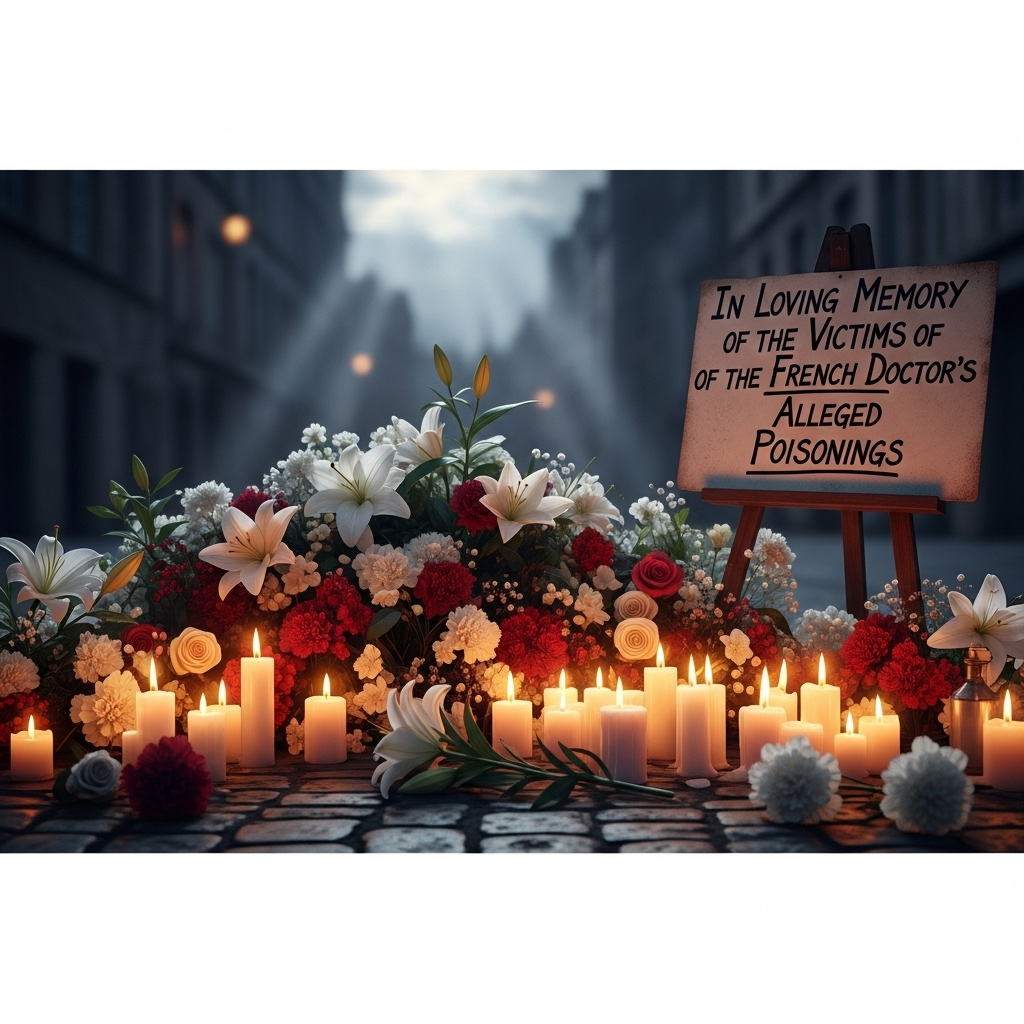
Beyond the clinical details and legal arguments, the trial has brought the immense human suffering caused by these events into sharp focus. Families of the 12 deceased patients have waited years for this moment, hoping for answers and accountability. Many have expressed feelings of profound betrayal, having placed their trust in the medical system and the very doctor now accused of murdering their loved ones.
One victim’s son told reporters outside the courthouse, “My father went in for a simple hernia operation. He was healthy. We never imagined he wouldn’t come home. To think his death was not an accident, but a deliberate act… it’s unthinkable.” The 18 surviving victims have also been deeply affected, with many suffering from long-term physical and psychological trauma from their near-death experiences.
The courtroom has been filled with emotional testimony as families recount their final conversations and the sudden, shocking news of a loved one’s unexpected death. Their stories serve as a powerful reminder of the real-world consequences of the alleged crimes, transforming the trial from a procedural legal case into a heart-wrenching human drama.
Broader Implications for Patient Safety in France
The Péchier case has forced a difficult conversation in France about oversight and patient safety protocols within hospitals and private clinics. Questions are being raised about how such a pattern could allegedly continue for nearly a decade across two separate institutions without being stopped sooner. Medical authorities are now reviewing procedures for monitoring operating theater activities, controlling access to potent drugs, and tracking adverse patient events.
The case highlights a potential vulnerability in the system: the immense trust placed in senior medical professionals and the difficulty in questioning their actions. This has prompted calls for more robust whistleblower protections and a culture that encourages junior staff to report suspicions without fear of reprisal. For more information on global standards, the World Health Organization’s patient safety page offers extensive resources.
As the trial of the french doctor continues, the medical world watches closely. The verdict will not only determine the fate of Dr. Frédéric Péchier but will also have lasting implications for public trust in healthcare providers and the measures taken to ensure that the ultimate priority—the safety and well-being of the patient—is never compromised.
“`


