
Gen Z Protesters: 3 Top Leaders’ Homes Torched in Nepal
In a shocking escalation of civil unrest, the homes of three senior political leaders in Kathmandu were set ablaze late Monday night. Authorities are attributing the attacks to a radical faction of gen z protesters who have been demonstrating against government corruption and economic stagnation for weeks. This unprecedented act marks a volatile new chapter in the nation’s youth-led protest movement.
The events have sent shockwaves through Nepal’s political establishment, highlighting the deepening chasm between the country’s youth and its entrenched leadership. The frustration that has been simmering on social media and in street rallies has now erupted into destructive violence, leaving the nation on edge.
What Led to the Escalation?
For months, Nepal has been gripped by a series of protests largely organized and attended by its younger citizens. The core grievances are not new, but they have reached a boiling point for a generation that feels systematically ignored. The primary drivers behind the unrest include:
- Rampant Corruption: A recent scandal involving the alleged embezzlement of foreign aid funds earmarked for youth employment programs was the final straw for many. The sense of betrayal is palpable.
- Skyrocketing Unemployment: Despite holding university degrees, many young Nepalis are unable to find meaningful work, leading to a massive “brain drain” as they seek opportunities abroad. The youth unemployment rate is estimated to be over 20%.
- Political Inaction: Protesters accuse the aging political leadership of being completely out of touch with the realities of modern Nepal, recycling the same failed policies and prioritizing power over progress.
These long-standing issues created a fertile ground for dissent. The gen z protesters initially engaged in peaceful demonstrations, creative online campaigns, and sit-ins. However, a perceived lack of any meaningful response from the government appears to have radicalized a segment of the movement. “We tried playing by the rules,” read one anonymous post on a popular forum used by activists. “The rules are broken. The game is rigged.”
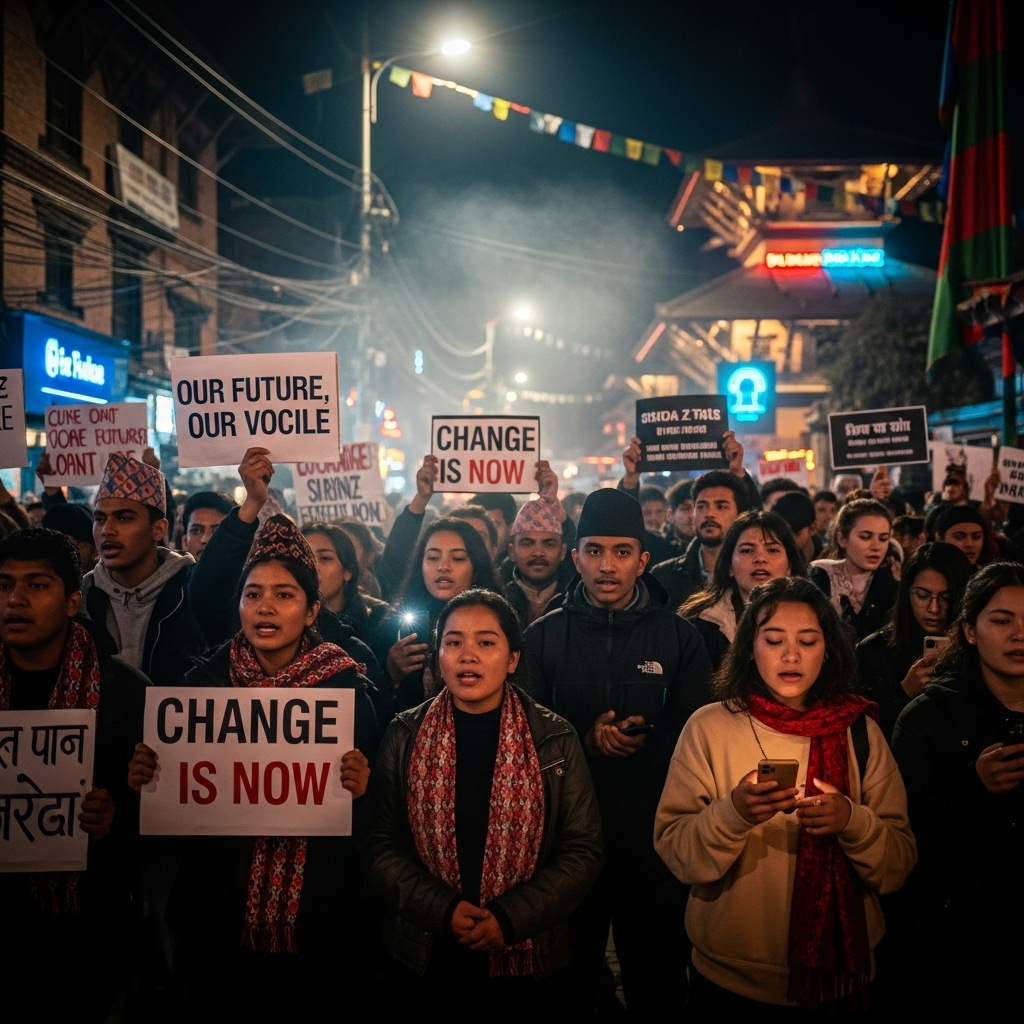
A Closer Look at the Gen Z Protesters in Nepal
Unlike previous political movements in Nepal, this one is defined by its digital-native participants. The gen z protesters are decentralized, leaderless, and incredibly adept at using social media. Platforms like TikTok, Instagram, and secure messaging apps like Telegram are their primary tools for mobilization, communication, and disseminating information, often bypassing traditional media outlets entirely.
This digital fluency makes the movement agile and difficult for authorities to suppress. There is no single leader to arrest, no central office to raid. Instead, it operates as a swarm, coalescing online and appearing suddenly for “flash protests” in different parts of the city. Their slogans and memes often blend global internet culture with specific Nepali political critiques, creating a powerful and relatable message for their peers.
The movement’s demands go beyond simple policy tweaks. They are calling for systemic change: term limits for politicians, robust and independent anti-corruption bodies, and a fundamental shift in national priorities toward education and job creation. While the torching of homes is condemned by many within the broader peaceful movement, the underlying anger is widely shared. This split between peaceful and radical wings is a significant new development. For more on youth activism, see our report on Global Youth Activism Trends.

The Targeted Leaders and Government Response
The three officials whose properties were attacked are senior figures from the country’s major political parties. They include the Minister of Finance, a former Prime Minister, and a prominent party whip—all seen by the protesters as symbols of the “old guard” responsible for the country’s current state. Fortunately, no injuries were reported as the homes were reportedly empty at the time of the attacks.
The government’s response was swift and severe. The Home Ministry released a statement condemning the “acts of terror” and vowing to bring the perpetrators to justice. “We support the right to peaceful protest, but we will not tolerate anarchy and violence,” the statement read. “A high-level investigation has been formed, and security has been heightened across the capital.”
Human rights organizations are watching the situation closely. An external observer from Reuters noted that while the violence is unacceptable, a heavy-handed government crackdown could further inflame the situation. The challenge for the government is to address the root causes of the anger without being seen as rewarding violent tactics, a line that will be incredibly difficult to walk.
Broader Implications for Nepal’s Future
This violent turn is a critical moment for Nepal. The arson attacks have shattered any illusion that the youth protests were a fleeting, harmless phenomenon. The nation is now at a crossroads. One path leads to a violent cycle of protest and repression, potentially destabilizing the country’s fragile democracy. The other path leads toward genuine dialogue and reform, where the political establishment finally acknowledges the legitimacy of the protesters’ grievances.
The actions of this radical fringe of gen z protesters could unfortunately discredit the entire peaceful movement, giving authorities a pretext to clamp down on all forms of dissent. However, it could also serve as a terrifying wake-up call to politicians who have long been complacent. The anger is real, it is deep, and it is now clear that a portion of the youth is willing to go to extreme lengths to be heard.
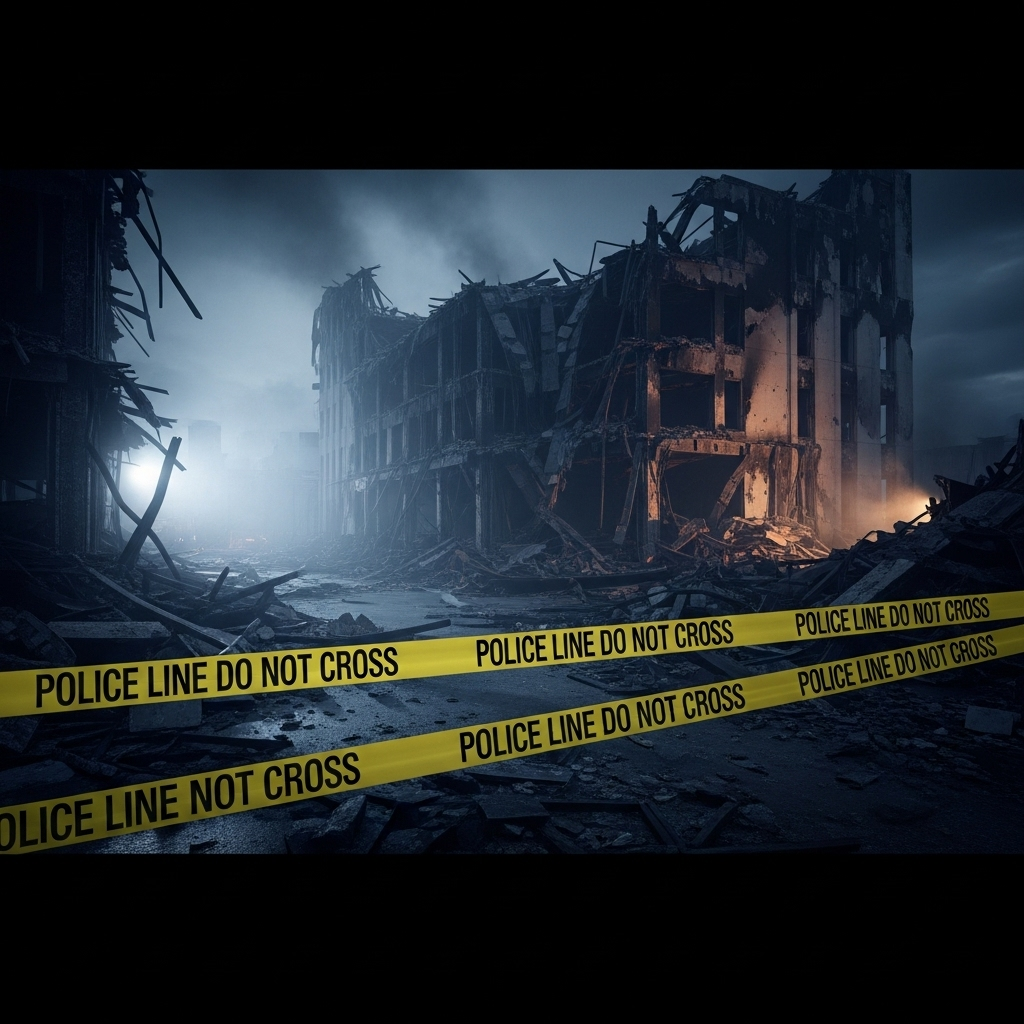
The coming days will be crucial. Whether Nepal’s leaders choose to listen and engage in meaningful reform or double down with force will determine the nation’s trajectory. The fires that burned in Kathmandu this week were more than just attacks on property; they were a fiery, desperate signal from a generation that refuses to be ignored any longer. The whole world is watching to see if Nepal’s leaders saw the smoke.
“`


