
Ground Zero: Remembering the 2,977 Lives Lost on 9/11
More than two decades have passed, but the term “Ground Zero” still evokes a profound sense of loss, resilience, and memory. It refers to the site of the former World Trade Center complex in Lower Manhattan, a place forever altered on September 11, 2001. This article serves as a solemn remembrance of the 2,977 innocent lives lost and a reflection on the site’s transformation from a scene of unimaginable devastation into a powerful symbol of hope and tribute.
In This Article
The Day That Changed Everything
On the morning of September 11, 2001, the world watched in horror as two hijacked passenger jets were deliberately crashed into the North and South Towers of the World Trade Center. The ensuing fires, structural damage, and eventual collapse of the iconic Twin Towers created a scene of chaos and destruction that had never been witnessed on American soil.
Within hours, the bustling financial hub was reduced to a mountain of smoldering steel, concrete, and dust. The area, covering 16 acres, became known across the globe by a new, somber name: Ground Zero. It was the epicenter of an attack that not only toppled buildings but also struck at the very heart of the nation.
The Meaning Behind the Name “Ground Zero”
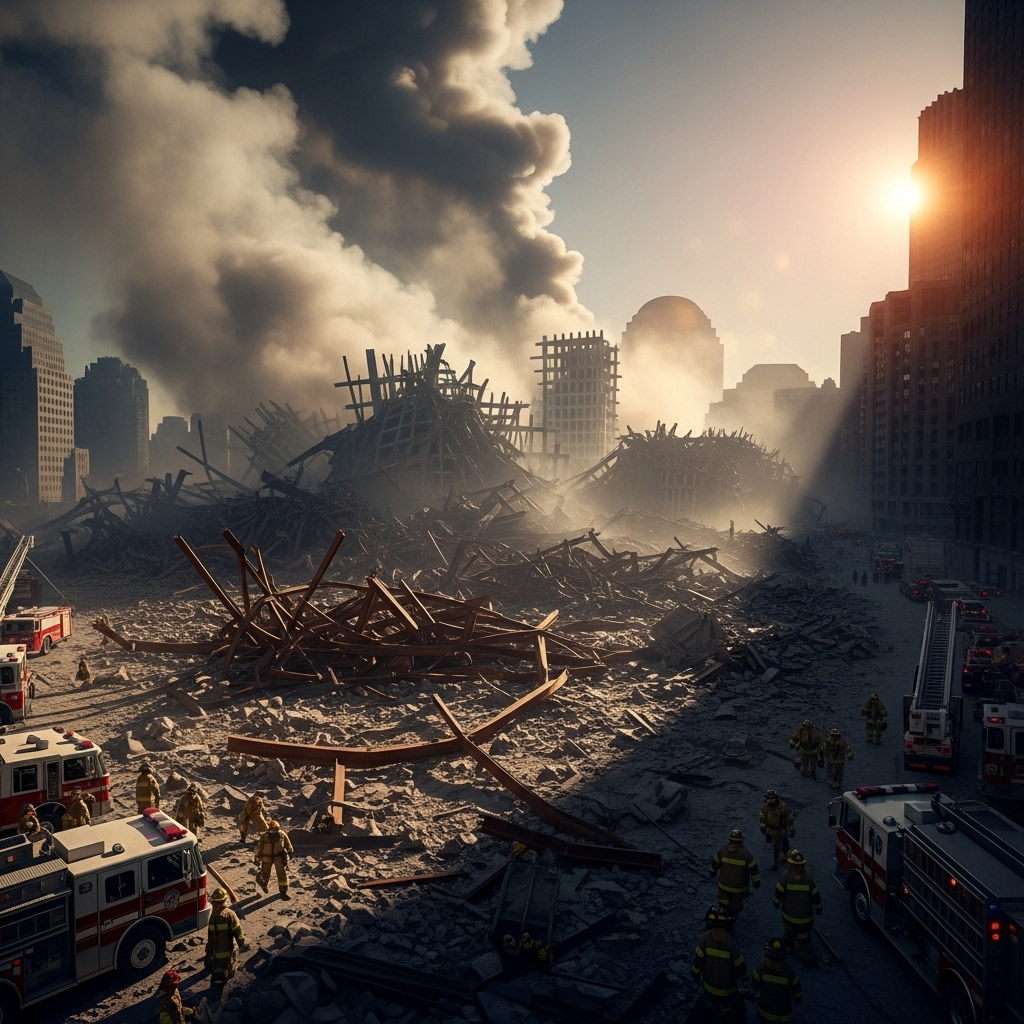
The term “ground zero” originally comes from military vocabulary, used to describe the point on the Earth’s surface directly below a nuclear detonation. Its application to the World Trade Center site was instantaneous and intuitive. The name captured the sheer scale of the annihilation and the feeling that a bomb had gone off in the center of New York City.
For those who lived through it, especially New Yorkers, the name conveyed the raw, visceral reality of the site. It wasn’t just a collapsed building; it was a wound. It was a place of immense human suffering and loss, a vast and solemn tomb where thousands of lives were tragically cut short. The name signified a starting point—from which the city, and the world, would have to begin the long process of healing and rebuilding.
A Sacred Space: Rescue and Recovery
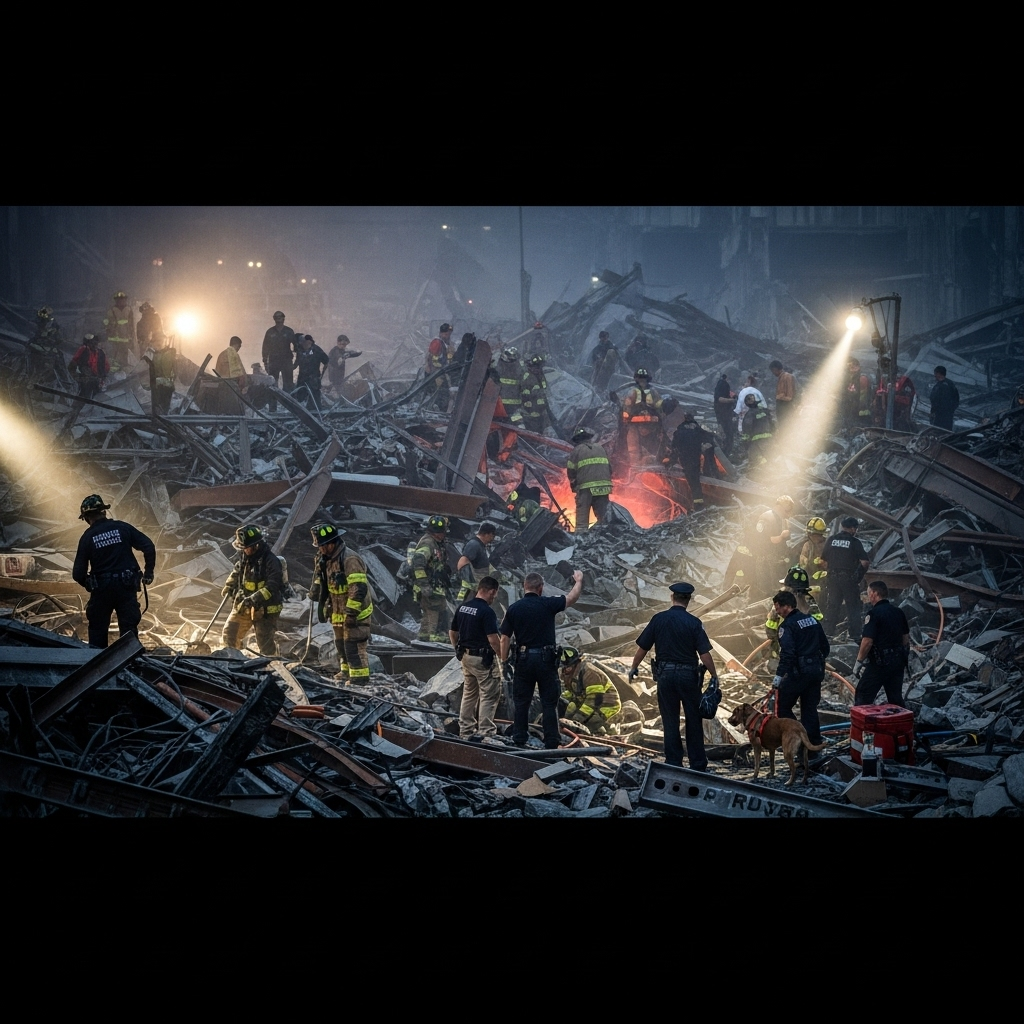
In the immediate aftermath, the focus was on a desperate search for survivors. Firefighters, police officers, paramedics, and construction workers rushed to the scene, climbing over treacherous piles of debris in a heroic effort to find anyone trapped in the rubble. These first responders worked tirelessly for days and weeks, often at great risk to their own health and safety.
Their bravery in the face of such overwhelming danger was a beacon of light in the nation’s darkest hour. The site of ground zero was not just a disaster zone; it became a sacred space, consecrated by the sacrifice of the 343 firefighters and 71 law enforcement officers who perished while trying to save others.
As hope for finding survivors faded, the mission transitioned from rescue to recovery. This painstaking effort lasted for months, as workers meticulously sifted through the debris to recover remains and personal effects, seeking to provide closure for the thousands of grieving families. This solemn task underscored the site’s status as hallowed ground.
From Ruins to Remembrance: Rebuilding the Site
The debate over what to do with the World Trade Center site began almost immediately. Voices from all corners—families of victims, developers, politicians, and the public—weighed in. The consensus was clear: the site had to honor the victims while also demonstrating America’s resilience.
Today, the transformation is nothing short of remarkable. At the heart of the rebuilt World Trade Center is the National September 11 Memorial & Museum. The Memorial features two enormous reflecting pools, each nearly an acre in size, set within the footprints of the original Twin Towers. Water cascades down their sides, creating a peaceful and contemplative atmosphere.
Surrounding the pools is a plaza filled with hundreds of swamp white oak trees. One special Callery pear tree stands out—the “Survivor Tree.” It was discovered in the rubble of ground zero, severely damaged but still alive. It was nursed back to health and replanted at the memorial, now a living symbol of survival and rebirth.
Remembering the 2,977 Lives
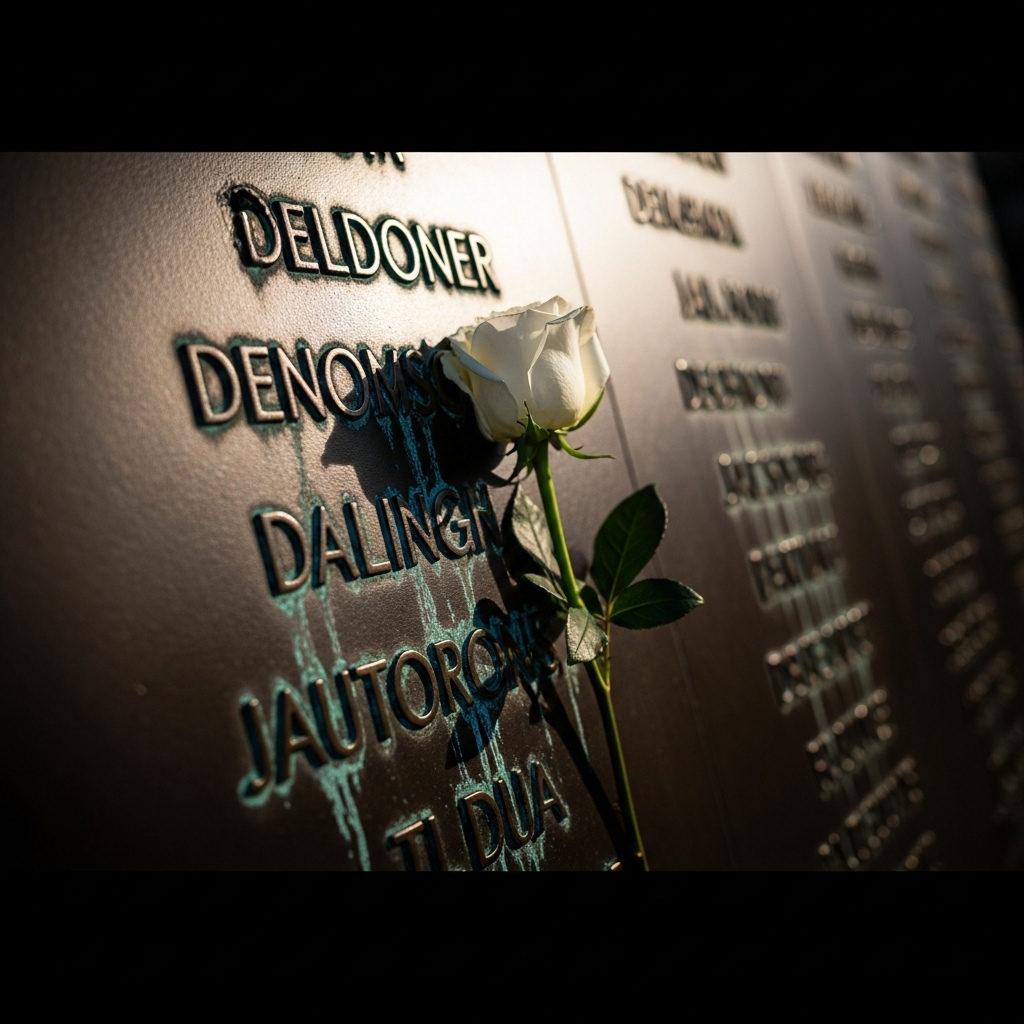
The most moving feature of the memorial is the bronze parapets that surround the reflecting pools. Etched into them are the names of all 2,977 people who were killed in the 9/11 attacks in New York, at the Pentagon, and on Flight 93, as well as the six victims of the 1993 World Trade Center bombing.
The names are not listed alphabetically. Instead, they are arranged through a system of “meaningful adjacencies,” reflecting where the victims were on 9/11 and the relationships they shared with others who were lost. Colleagues from the same company are listed together, as are the crew and passengers of each flight. This thoughtful arrangement tells a story of the lives and connections that were broken that day. To learn more about their individual stories, you can read our feature on the Heroes of 9/11.
Every year on the anniversary of the attacks, a ceremony is held at the memorial where the names of the victims are read aloud—a powerful and somber tradition ensuring that each individual is remembered.
Ground Zero Today: Reflection and Hope
Visiting the site once known as Ground Zero is a deeply moving experience. The roar of the waterfalls drowns out the city noise, creating a space for quiet reflection. The museum beneath the plaza houses artifacts from the attacks, tells the stories of the victims, and documents the events of the day in a respectful and comprehensive manner.
Rising above the memorial is the new World Trade Center complex, anchored by the soaring One World Trade Center, also known as the Freedom Tower. Standing at a symbolic 1,776 feet, it serves as a declaration of defiance against terrorism and a testament to the enduring spirit of New York City and the United States.
The site has been reborn. It is no longer a void of destruction but a vibrant, living part of the city that seamlessly blends commerce, remembrance, and hope. While the name Ground Zero will forever be linked to the tragedy of 9/11, the place itself now stands as a powerful monument to memory, resilience, and the enduring strength of the human spirit. It reminds us all to never forget.
“`


