
Huge Surf in Hawaii: 20-Foot Waves From Storm Kiko
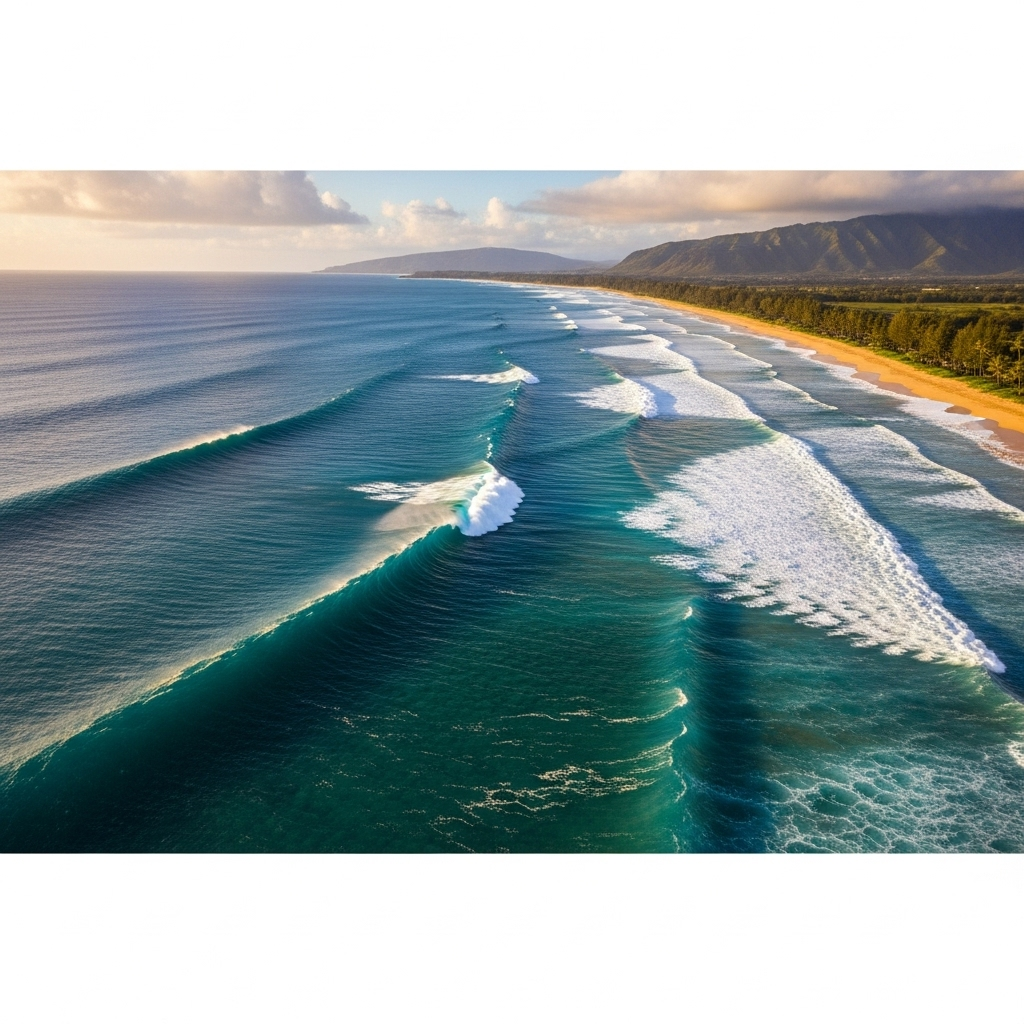
Hawaii’s famed North Shore is currently experiencing a spectacular and dangerous swell, with monster waves reaching heights of 20 feet. This powerful display of nature is courtesy of the distant but potent Hurricane Kiko, churning hundreds of miles away in the Pacific. The event has drawn professional surfers, photographers, and spectators to the coastlines, all eager to witness the huge surf that has turned the ocean into a churning spectacle.
Article Contents
The Science Behind the Swell
While Hurricane Kiko poses no direct threat of making landfall in Hawaii, its immense power is being felt across the island chain. Major storms like Kiko act as massive wave-generating engines. As the hurricane’s powerful winds blow over a large expanse of the ocean—a term known as “fetch”—they transfer an incredible amount of energy into the water’s surface.
This energy travels outward from the storm in the form of long-period swells. These swells can journey for thousands of miles across the open ocean with little loss of energy. When they finally reach the shallow coastlines of Hawaii, the energy is compressed, causing the waves to rise dramatically in height, resulting in the huge surf we are seeing today. The longer the period between waves, the more powerful the swell.
Forecasters at the National Weather Service in Honolulu had been tracking this swell for days, issuing advisories well in advance. “This is a classic early-season swell event,” stated a lead forecaster. “The storm’s track and intensity were perfect for sending a solid, well-organized swell directly towards the north-facing shores.”
On the Ground: Eyewitnesses to the Huge Surf
For those on the North Shore of Oahu, the arrival of the swell was an undeniable force of nature. The sound is the first thing many notice—a constant, low-frequency roar that can be heard from miles inland. At iconic spots like Waimea Bay and the Banzai Pipeline, the ocean has transformed into a chaotic arena of moving mountains of water.
“I’ve lived here for 30 years, and it never gets old,” said local resident Manu Akana, watching from the safety of a lookout point. “You have to respect it. This isn’t just big; this is huge surf with serious power behind it. You can feel the ground shake when a big set comes in.”
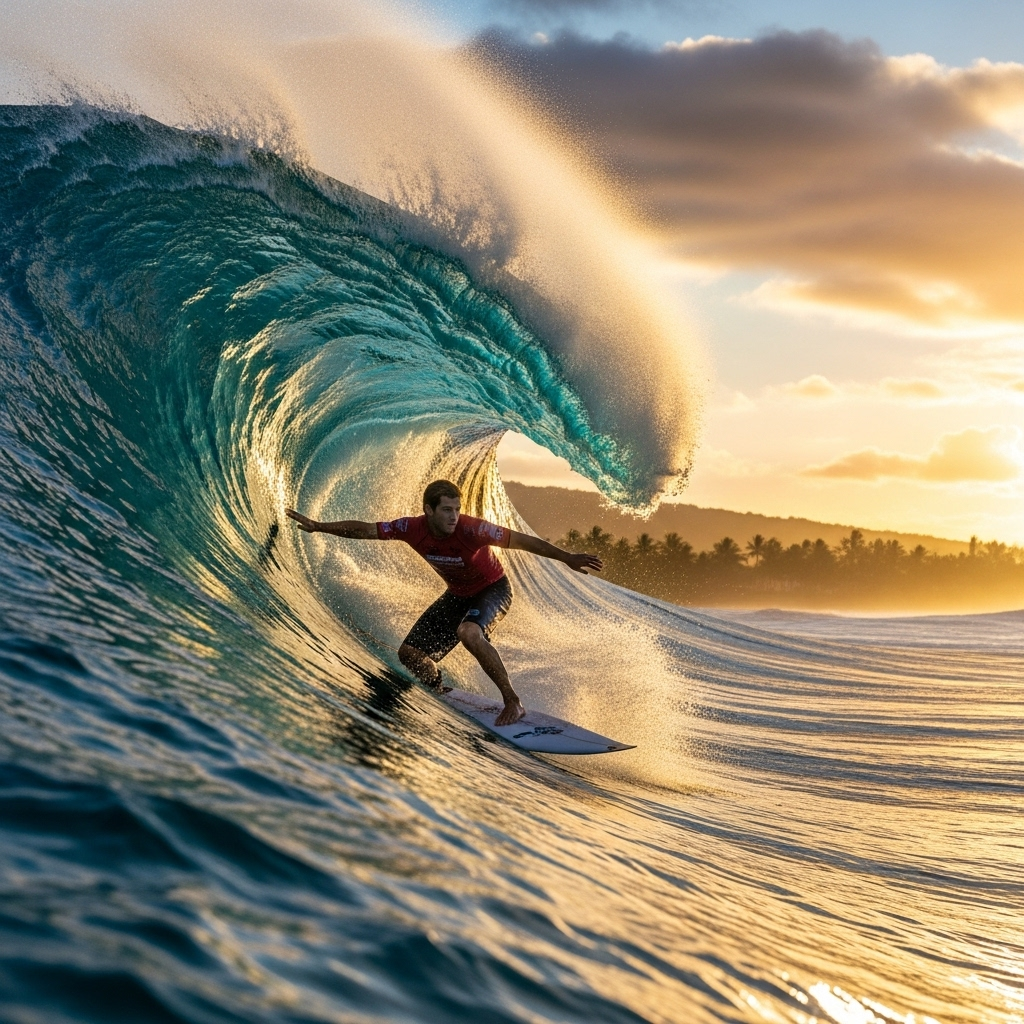
A handful of the world’s elite big-wave surfers were out in the lineup, towed in by jet skis or paddling with superhuman effort to catch one of the giants. These athletes train their entire lives for moments like this, but even they acknowledged the challenging conditions. The water is thick with energy, and the currents are treacherously strong, pulling everything and everyone toward the impact zone.
Photographers lined the beaches, their long lenses focused on the action. Every successfully ridden wave was met with cheers from the gathered crowds, but every wipeout was met with a collective gasp, a stark reminder of the dangers involved.
Ocean Safety Issues High Surf Warning
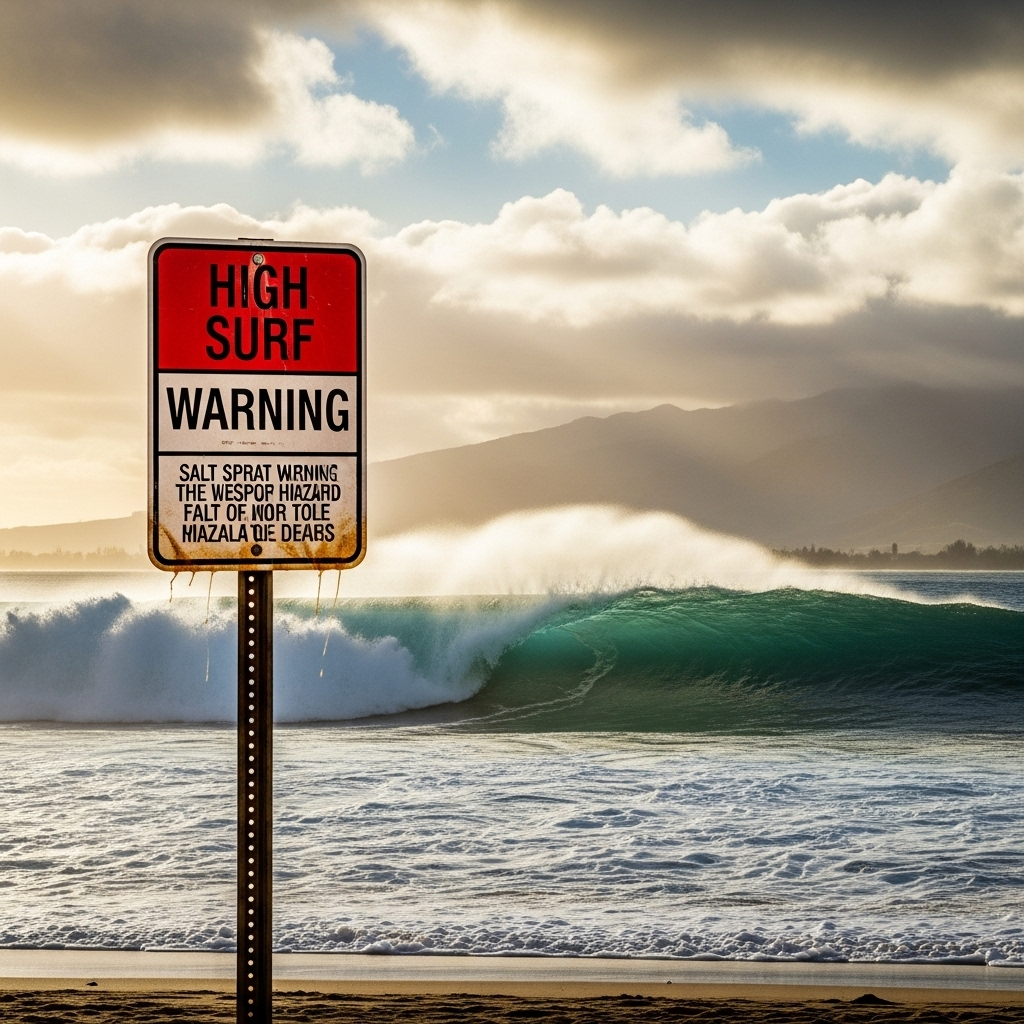
While the huge surf is a breathtaking sight, it brings with it extreme danger. Honolulu Ocean Safety has issued a High Surf Warning for all north-facing shores and has increased its presence at popular beaches. Lifeguards on jet skis are patrolling just outside the break, ready to respond to any emergencies.
Officials are strongly advising the public, especially inexperienced swimmers and surfers, to stay out of the water. “This is not the time to test your limits,” warned an Ocean Safety lieutenant in a press briefing. “The currents are life-threatening, and the shore break can cause serious injury even in shallow water. If in doubt, don’t go out.“
Several beach parks have been closed to prevent people from getting too close to the hazardous conditions. The primary dangers include:
- Rip Currents: Exceptionally strong currents that can pull even the strongest swimmers out to sea.
- Shore Break: Powerful waves breaking directly on the sand, capable of causing spinal and neck injuries.
- Floating Debris: The powerful surf can wash large logs and other debris into the water, creating unseen hazards.
Visitors are urged to heed all posted signs and listen to the instructions of lifeguards and public safety officials. For a safe vacation, it’s always best to consult our Hawaii travel guides for up-to-date beach conditions.
Impact on the Islands: From Pro Surfers to Local Businesses
Events like the Kiko swell are deeply woven into the modern culture and economy of Hawaii’s coastal communities. The arrival of huge surf signals a call to action for the global surfing community. Many professional surfers, often sponsored by major brands, travel to Hawaii specifically for these moments, which are captured for magazines, films, and social media.
The World Surf League (WSL) and other organizations often monitor these swells for potential big-wave competitions, which can be called on with just 24-48 hours’ notice. The influx of athletes, media, and spectators provides a significant, if temporary, boost to the local economy. Surf shops see an increase in sales, and restaurants near the coast are filled with people recounting the day’s events.
However, the impact is not entirely positive. The same waves that provide a spectacle can also cause coastal erosion and damage to oceanfront properties. Road closures due to wave run-up can disrupt daily life for residents. It’s a delicate balance that communities on the North Shore have learned to manage over generations.
Ultimately, these swells are a powerful reminder of the central role the ocean plays in Hawaiian life—as a source of recreation, a driver of economy, a cultural touchstone, and an awe-inspiring force of nature that commands ultimate respect.
The swell from Hurricane Kiko is expected to peak through the evening before gradually subsiding over the next 48 hours. Until then, the islands will continue to witness this magnificent and humbling display of oceanic power.


