5 Things That Explain the Hyundai Immigration Debacle
The headlines were shocking: children, some as young as 12, were found working in U.S. factories supplying parts for Hyundai, one of the world’s largest automakers. The scandal, which unfolded in rural Alabama, has since sparked federal investigations, consumer backlash, and a difficult conversation about corporate responsibility. To understand how such a flagrant violation could occur, it’s crucial to look beyond the initial shock. We’ve broken down the situation into 5 things that explain the complex web of factors behind the Hyundai immigration and labor debacle.
Table of Contents
1. The Distanced Supply Chain Model
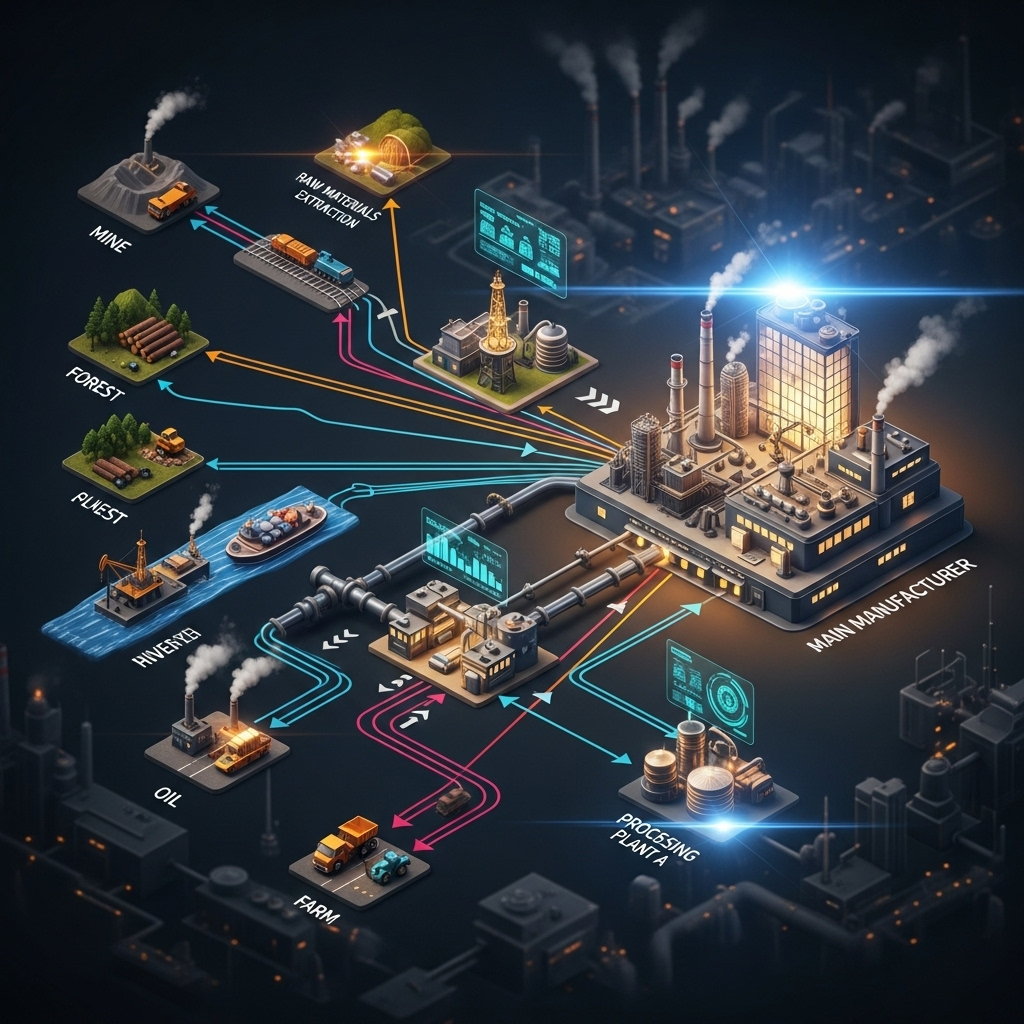
At the heart of this issue is the modern manufacturing supply chain. Hyundai Motor Manufacturing Alabama (HMMA) doesn’t produce every single component for its vehicles. Instead, it relies on a sprawling network of parts suppliers. The child labor violations did not occur directly on Hyundai’s main assembly line but rather at its suppliers, including SMART Alabama LLC and SL Alabama.
This tiered system creates a degree of separation—and often, plausible deniability—for the parent corporation. While Hyundai set production targets and quality standards, it could claim ignorance of the day-to-day hiring practices of its independently operated partners. This structure makes direct oversight incredibly challenging.
A corporation’s responsibility for its entire supply chain is a central theme here. For years, activists have argued that companies must be held accountable for abuses committed by their suppliers, a concept explored in our deep dive on corporate ethics. The Hyundai case demonstrates the real-world consequences when that accountability fails.
2. Reliance on Third-Party Staffing Agencies
Adding another layer of complexity is the use of temporary staffing agencies. The suppliers, like SMART and SL Alabama, didn’t always hire workers directly. They frequently turned to third-party employment firms to fill demanding, low-wage positions quickly. These agencies were reportedly responsible for recruiting the underage workers and, in some cases, for providing them with fraudulent identification documents.
This practice further insulates both the supplier and the primary corporation from direct legal culpability. When investigators from the U.S. Department of Labor arrived, the suppliers could point the finger at the staffing agencies, who in turn might be fly-by-night operations that are difficult to hold accountable.
For the workers, this system creates immense precarity. They are not employees of a stable company but temporary laborers with few rights and little power to report abuses without risking their jobs—and for migrant children, risking deportation.
3. The Vulnerability of Unaccompanied Minors
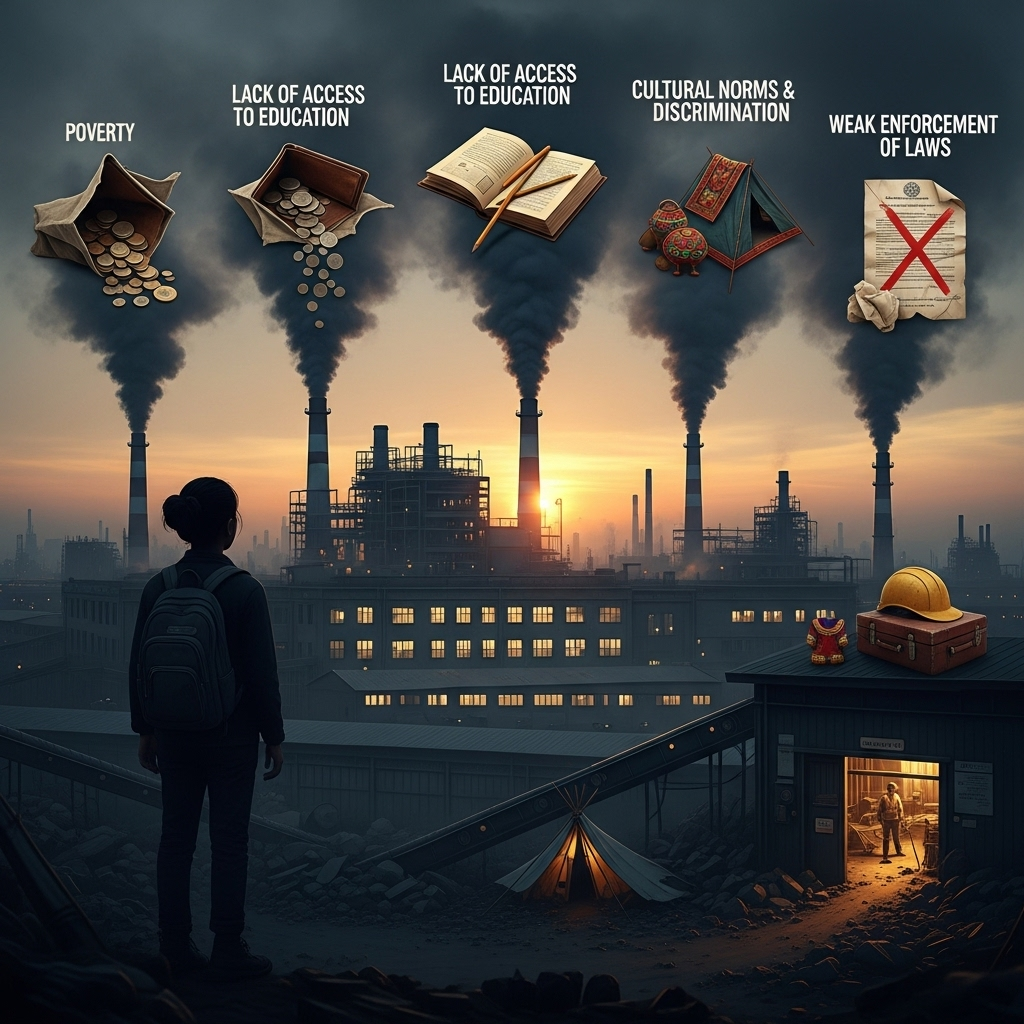
You cannot understand this story without understanding the human element. Many of the children found working in the Alabama factories were unaccompanied minors, primarily from Guatemala and other Central American countries. They often arrive in the U.S. alone, fleeing violence and poverty, and are placed with sponsors by the government.
However, many carry significant debt to smugglers or even their own sponsors. This creates immense pressure to find work immediately. A comprehensive investigation by Reuters first brought this to light, revealing how this vulnerable population becomes a target for illegal and exploitative labor recruiters. These children are often unaware of their rights, speak little English, and are desperate to send money back to their families.
The system designed to protect them is overwhelmed, making it easy for children to fall through the cracks and into dangerous workplaces. They are, in many ways, the perfect victims for an industry seeking cheap, compliant labor.
4. Weak Regulatory Enforcement and Penalties
While child labor is unequivocally illegal in the United States, the system for enforcing these laws has significant weaknesses. The Department of Labor’s Wage and Hour Division is tasked with investigating such violations, but it is chronically underfunded and understaffed relative to the number of workplaces it must oversee.
Furthermore, the penalties for child labor violations have long been criticized as insufficient to deter major corporations. The maximum civil penalty per child is just over $15,000—a negligible amount for a multi-billion-dollar company. While criminal charges are possible, they are rare.
This creates a risk-reward calculation where the potential profit from using cheaper labor can, for unscrupulous managers, outweigh the financial risk of getting caught. Stronger legislation and enforcement are critical to preventing future incidents and ensuring the well-being of workers. The current framework simply lacks the teeth needed to police vast, international supply chains effectively.
5. The Aftermath: Our Top 5 Things to Watch
The exposure of the labor abuses set off a cascade of consequences, and the final chapter has yet to be written. Following the initial reports, here are the **5 things** that defined the fallout and what we should continue to monitor as this story develops.
First, there were the federal investigations. The Department of Labor, the Department of Justice, and the Securities and Exchange Commission (SEC) all launched probes into Hyundai and its suppliers, examining everything from labor law violations to whether investors were misled about the company’s ethical compliance.
Second, Hyundai took action. The company announced it would divest its controlling stake in SMART Alabama LLC and committed to a broad, top-to-bottom review of its U.S. supply chain, hiring an independent, third-party legal firm to conduct the audit.
Third, the reputational damage was immense. The “Made in America” label on Hyundai cars, a source of pride, became tainted. The company has since spent significant resources on damage control and public reassurances about its commitment to ethical practices. You can read more about brand recovery in our article on managing a PR crisis.
Fourth, there is a renewed push for legislative reform. The scandal has amplified calls for stricter supply chain accountability laws and much higher penalties for companies that benefit from child labor, directly or indirectly.
Finally, the most important thing is the fate of the children themselves. While the factories were raided and fines were levied, the underlying social and economic pressures that pushed them into those jobs remain. Ensuring these minors receive support, education, and protection is the ultimate test of whether the system has truly learned its lesson.