
ISIS-Linked Terrorists Kill 20+ at Christian Funeral
Diffa, Niger – A scene of mourning turned into a horrific massacre on Friday when gunmen identified as isis-linked terrorists stormed a Christian funeral service in a remote village near the border with Nigeria, killing more than 20 people and wounding dozens more. The attack has sent shockwaves through the already volatile Diffa region, a known hotbed for extremist activity.
Sources on the ground report that the peaceful gathering was ambushed by heavily armed assailants who arrived on motorcycles, a common tactic for jihadist groups in the Sahel. The attackers opened fire indiscriminately on the mourners, showing no mercy for the men, women, and children assembled to pay their final respects.
A Brutal Assault on a Sacred Rite
The attack occurred around 2:00 PM local time in the village of Koutougou. Eyewitnesses described a chaotic and terrifying scene as the funeral service was abruptly shattered by the sound of automatic gunfire. The mourners, who were gathered under a large tent, had little time to react or seek cover.
“We were praying for the soul of our departed brother when we heard the motorcycles,” said a survivor who asked to remain anonymous for fear of reprisal. “Before we could understand what was happening, they were upon us. They were shouting ‘Allahu Akbar’ and shooting at everyone. It was a nightmare.”
Local medical personnel, already strained for resources, were overwhelmed by the number of casualties. The initial death toll stands at 22, but officials warn this number could rise as many of the wounded are in critical condition. The victims included several children and the presiding pastor.
This calculated attack on a Christian religious ceremony is seen as a deliberate attempt to sow terror and ignite sectarian conflict. Funerals, which are sacred events across all faiths, have become a soft target for extremists looking to maximize psychological impact and media attention.
Identifying the ISIS-Linked Terrorists Responsible
While no group has officially claimed responsibility, military officials and regional analysts point the finger directly at the Islamic State in the Greater Sahara (ISGS). This faction is one of the most brutal and active isis-linked terrorists groups operating in the tri-border area of Niger, Mali, and Burkina Faso. Known for their extreme violence, ISGS has a long history of attacking both military and civilian targets.
ISGS pledged allegiance to ISIS in 2015 and has since been responsible for thousands of deaths across the region. Their goal is to destabilize local governments and establish a caliphate governed by a strict interpretation of Islamic law. They frequently target Christians, traditional community leaders, and anyone they deem to be collaborating with “Western” forces or the state.
“This attack fits the modus operandi of ISGS perfectly,” stated Dr. Amadou Sarr, a security analyst specializing in the Sahel. “They use violence to assert control, punish communities they believe are uncooperative, and provoke a heavy-handed military response, which they can then use as a recruitment tool.” For more on their tactics, you can read analysis from sources like the Reuters news agency.
The group’s ability to plan and execute such a brazen daylight attack highlights the significant security vacuum in many parts of rural Niger, despite ongoing counter-terrorism operations by national forces and their international partners.
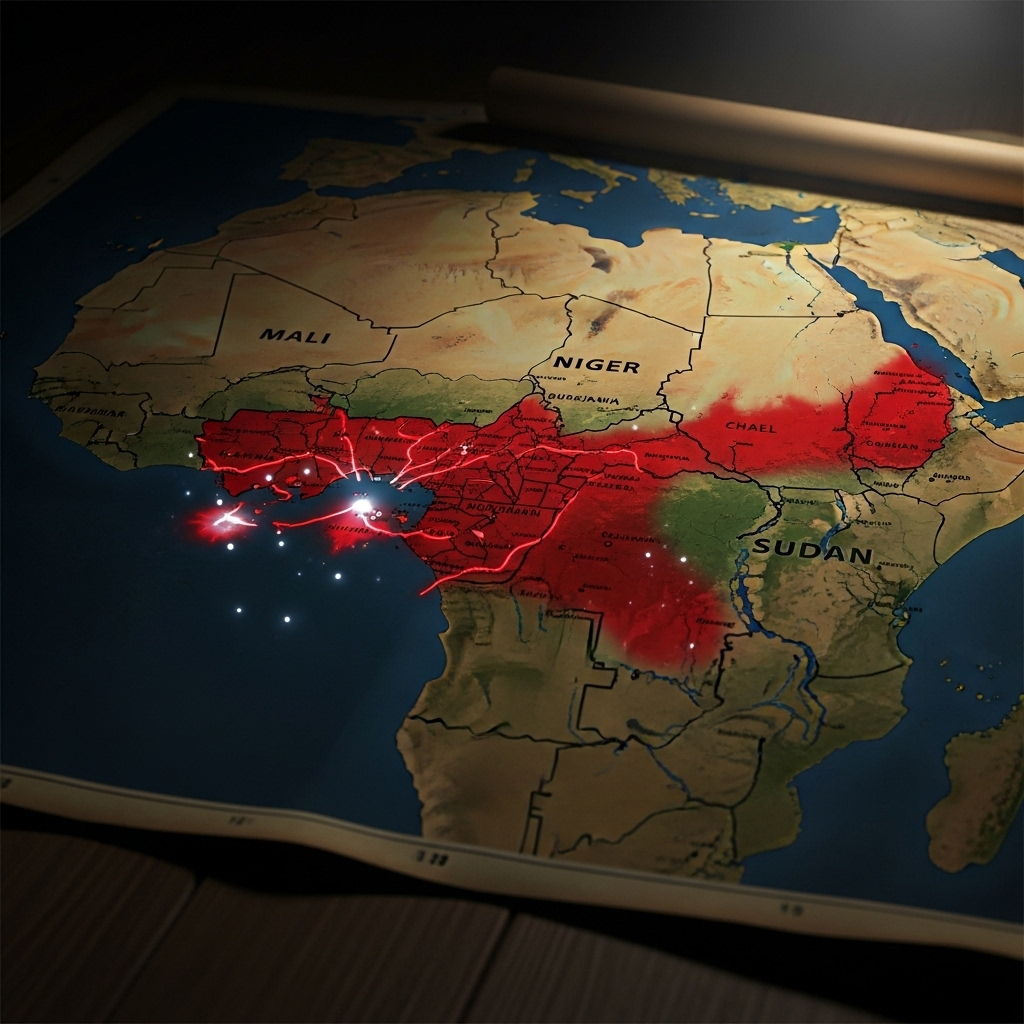
Government Vows Retaliation as International Community Condemns Attack
Niger’s government swiftly condemned the massacre. In a televised address, the Minister of Interior and Public Security, Hamadou Adamou Souley, called the perpetrators “cowardly barbarians” and vowed a swift and decisive response.
“The armed forces have been dispatched to pursue these criminals and bring them to justice,” Minister Souley declared. “We will not rest until these merchants of death are neutralized. An attack on any Nigerien is an attack on us all.”
The international community has joined in the condemnation. The United Nations mission in the region expressed its condolences and called for greater protection for civilians. The French and American embassies, key partners in the fight against Sahelian jihadism, released statements reaffirming their support for Niger’s security forces. This event underscores the ongoing challenges detailed in our previous report, “The Sahel Security Crisis Deepens.”
However, for the residents of Koutougou and surrounding villages, these promises may ring hollow. They live under the constant threat of extremist violence and often feel abandoned by the state. The immediate need is for medical aid, humanitarian support, and, most importantly, a tangible security presence to prevent a repeat of Friday’s horror.
A Pattern of Violence in the Sahel
Friday’s funeral attack is not an isolated incident but part of a disturbing trend of escalating violence against civilians by jihadist groups across the Sahel. Groups like ISGS and the al-Qaeda-affiliated JNIM are locked in a deadly struggle for dominance, and civilians are frequently caught in the crossfire or targeted directly.
These extremist groups exploit local grievances, including poverty, ethnic tensions, and perceived government corruption, to recruit members and expand their influence. Attacks on religious gatherings, schools, and markets are designed to render the state incapable of providing basic security, thereby creating a power vacuum that the extremists can fill.
According to a recent report by the Human Rights Watch, attacks on civilians in the central Sahel have reached unprecedented levels in the past year. This violence has triggered a massive humanitarian crisis, displacing millions of people and leaving millions more in need of urgent assistance.
The tragedy in Koutougou is a stark reminder of the immense human cost of this conflict. As the community buries its dead for a second time, the call for a more effective and comprehensive strategy to protect civilians and address the root causes of extremism has never been more urgent.
“`


