
Collective Punishment: 2 Million Palestinians at Risk
The principle of individual responsibility is a cornerstone of modern justice. Yet, the ongoing crisis in the Gaza Strip raises grave concerns about the use of collective punishment, a practice explicitly forbidden under international law. As an entire population of over two million people faces a deepening humanitarian catastrophe, understanding the definition and implications of this term is more critical than ever.
What is Collective Punishment Under International Law?
Collective punishment refers to any form of sanction or penalty imposed on a group of people for an act allegedly committed by an individual or a few members of that group. The core injustice lies in holding people responsible for actions they did not personally commit. This concept is a direct violation of the fundamental principles of justice and individual accountability.
International humanitarian law is unequivocal on this matter. Article 33 of the Fourth Geneva Convention states, “No protected person may be punished for an offence he or she has not personally committed. Collective penalties and likewise all measures of intimidation or of terrorism are prohibited.” This prohibition is absolute and applies to all parties in a conflict.
The rationale is clear: civilians must be protected from the ravages of war. Punishing an entire community, city, or territory by cutting off essential resources like food, water, electricity, and medical supplies is not a legitimate tool of war. Instead, it is a prohibited act that inflicts suffering on the innocent, including children, the elderly, and the sick. For more on this topic, you can read about the foundations of international law.

The Situation in Gaza: A Case Study in Collective Punishment
The Gaza Strip, one of the most densely populated areas on Earth, is currently at the epicenter of this debate. Following attacks by militants, the response has included a “complete siege” that has halted the entry of food, water, fuel, and electricity for its 2.3 million residents. Officials have stated the goal is to defeat Hamas, but the methods employed are impacting every single person in the territory.
Human rights organizations and UN officials have been stark in their warnings. When an entire population is denied the basic means of survival, it transcends a targeted military operation and becomes a form of collective punishment. The blockade impacts everyone, from newborns in incubators that rely on electricity to families who can no longer find clean drinking water.
The logic that such measures will turn the population against the ruling authority is a dangerous and often counterproductive gamble. Historically, such tactics can galvanize populations and deepen grievances rather than solve the underlying conflict. The immediate and undeniable result is a humanitarian disaster affecting millions who have no control over the political or military situation.
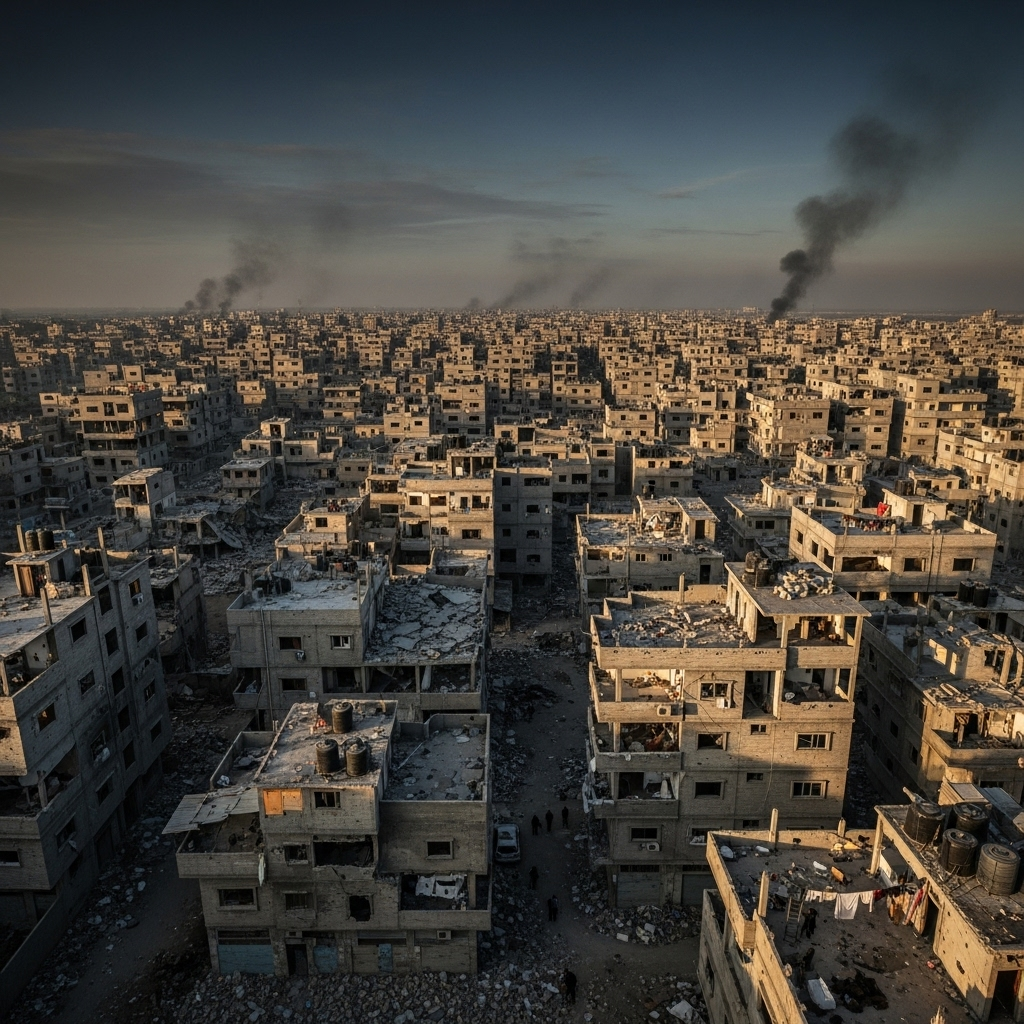
The Human Cost: Overburdened Hospitals and Dwindling Supplies
The consequences of these actions are tangible and devastating. Hospitals in Gaza, already strained after years of blockade, are operating on the brink of collapse. Without fuel, generators powering life-support machines, surgical theaters, and refrigeration for medical supplies will fall silent. Doctors are forced to make impossible choices about who receives care.
The water crisis is equally dire. With desalination plants and water pumps inoperable due to lack of electricity, families are resorting to drinking contaminated or brackish water, leading to a significant risk of waterborne diseases like cholera and dysentery. Over 60% of Gaza’s population are children, who are particularly vulnerable to dehydration and disease.
Food supplies are rapidly disappearing from shelves, and the shutdown of bakeries due to fuel and flour shortages means that bread, a staple food, is becoming a luxury. Aid convoys, filled with life-saving supplies, have been stalled, awaiting access. Each day of delay deepens the suffering and pushes the civilian population closer to famine.
The psychological toll is immense. Constant fear, displacement, and the loss of loved ones are compounded by the struggle for basic survival. This widespread suffering is not a byproduct of conflict; it is the direct result of policies that treat an entire population as a monolithic entity to be punished.
Global Response and the Imperative for Action
The international community’s response has been one of growing alarm. The Secretary-General of the United Nations, alongside numerous UN agencies, has called for the immediate and unimpeded flow of humanitarian aid into Gaza. They have reminded all parties that even wars have rules and that the obligation to protect civilians is paramount.
Leading human rights groups like Amnesty International and Human Rights Watch have explicitly labeled the siege of Gaza as a form of collective punishment and a war crime. They are urging world leaders to apply diplomatic pressure to ensure compliance with international law and to establish secure humanitarian corridors for aid delivery.
The path forward requires an immediate de-escalation and a recommitment to the principles of humanity. This includes:
- Restoring Essential Services: The immediate resumption of water, electricity, and fuel supplies to Gaza is a life-or-death necessity.
- Guaranteeing Humanitarian Access: Allowing aid convoys to enter and safely distribute supplies throughout the territory.
- Upholding International Law: All parties must be held accountable for their actions, and the prohibition against collective punishment must be respected.
Ultimately, the targeting of civilians and civilian infrastructure is not a path to security. It is a recipe for more suffering, instability, and conflict. The world is watching, and the moral and legal imperative to protect the two million people of Gaza from the consequences of collective punishment could not be more urgent.
“`


