
three pms in 4 years: who is next to lead Japan?
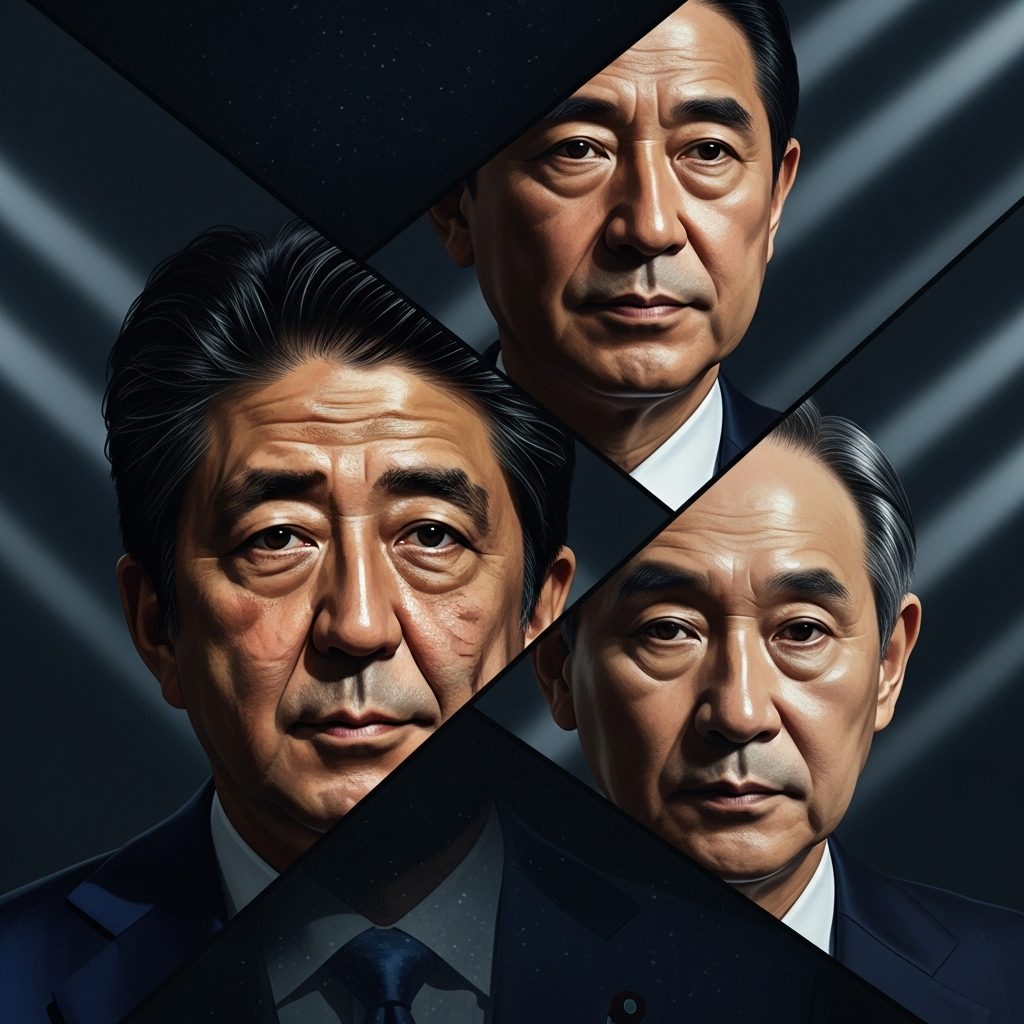
Japan’s political landscape, once defined by the stability of Shinzo Abe’s long tenure, has reverted to its “revolving door” reputation. The fact that the nation has seen three pms in just four years has left both citizens and international observers questioning the country’s political trajectory. With Prime Minister Fumio Kishida’s approval ratings at historic lows, the ruling Liberal Democratic Party (LDP) is bracing for a contentious leadership election that will determine who is next to lead the world’s fourth-largest economy.
This rapid turnover at the Kantei (the Prime Minister’s official residence) raises critical questions. Is this a temporary blip or a return to the pre-Abe era of short-lived leaders? And more importantly, who has the vision and political capital to break the cycle? This article explores the causes of this instability and profiles the key figures vying to be Japan’s next leader.
The Revolving Door Returns: From Abe to Kishida
To understand the current situation, we must look back at the departure of Shinzo Abe. After a record-setting nearly eight years in office, Abe resigned in 2020 due to health reasons, creating a massive power vacuum. His long term in office was an anomaly for modern Japan, providing unprecedented policy consistency.
His successor, Yoshihide Suga, who had served as Abe’s Chief Cabinet Secretary, was seen as the “continuity candidate.” He initially enjoyed high approval ratings but saw his support evaporate due to a sluggish COVID-19 vaccine rollout and a determination to host the Tokyo Olympics despite public opposition. Suga lasted only a year before announcing he would not seek re-election as LDP leader.
Enter Fumio Kishida, who won the subsequent LDP leadership race in 2021. Promising a “new capitalism” and a more compassionate approach, Kishida’s tenure has been plagued by a series of crises. These include revelations about the LDP’s deep-rooted ties to the Unification Church following Abe’s assassination, a major party slush fund scandal, and persistent public frustration over inflation outpacing wage growth. These challenges have decimated his public support, setting the stage for yet another leadership change.
Why Has Japan Seen Three PMs So Quickly?
The transition between three pms in such a condensed period isn’t due to a single cause but a confluence of factors that highlight the systemic challenges within Japanese politics, particularly the LDP.
One primary driver is the LDP’s internal factionalism. The party is not a monolithic entity but a coalition of competing factions, each with its own interests and leaders. A prime minister must constantly balance these factions to maintain power. When a leader’s public approval drops, these factions begin to see them as an electoral liability, quickly withdrawing support and positioning their own candidates to take over. This internal power struggle is a significant contributor to leadership instability.
Secondly, plummeting public approval ratings have become a political death sentence. In the digital age, public sentiment is measured constantly, and a sustained downturn in the polls makes it nearly impossible for a leader to govern effectively or lead their party into a general election. Both Suga and Kishida fell victim to this phenomenon, where policy missteps or scandals led to a rapid and irreversible decline in support.
Finally, the unresolved scandals have created a deep sense of public distrust. The slush fund scandal, in particular, implicated several major LDP factions, forcing Kishida to take disciplinary action that alienated key party members. This left him politically isolated and unable to rally the broad support needed to push through his agenda or recover his standing.
The Top Contenders for Japan’s Top Job
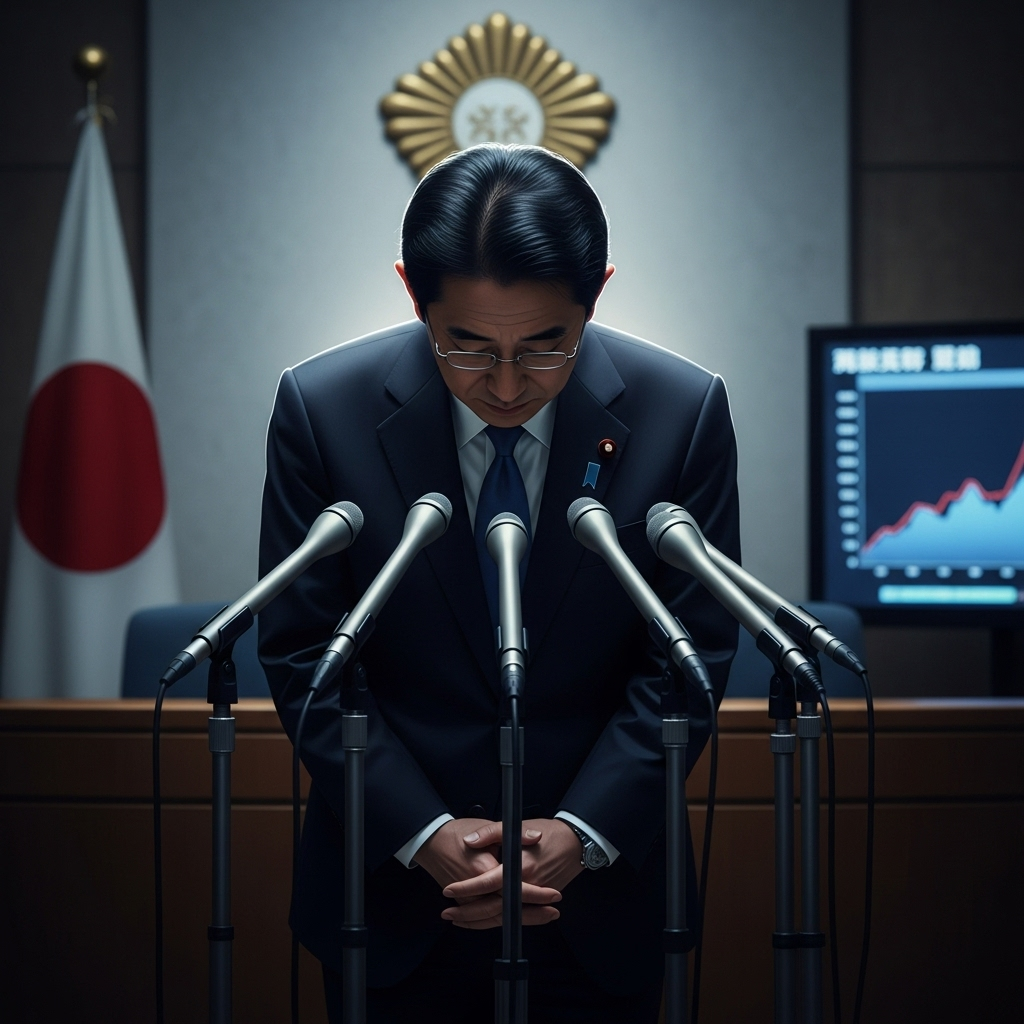
With Kishida’s leadership on shaky ground, several prominent figures within the LDP are positioning themselves for a potential run. The next leader will likely emerge from this group of seasoned politicians. For more detailed political analysis, you can refer to reports from sources like Reuters.
- Shigeru Ishiba: A veteran and one of the most popular politicians with the public, Ishiba is a frequent critic of the party’s mainstream. He has run for the LDP leadership multiple times. His appeal lies in his image as a party maverick who is not afraid to speak his mind. However, he lacks a strong power base within the LDP’s factions, which has been his primary obstacle in the past.
- Taro Kono: Currently the Minister for Digital Transformation, Kono is another popular figure, especially among younger voters. He is known for his fluent English, active social media presence, and push for modernizing Japan’s bureaucracy. His ambition is well-known, but his reformist stance sometimes clashes with the party’s old guard.
- Sanae Takaichi: As the Minister for Economic Security, Takaichi is a staunch conservative and a close ally of the late Shinzo Abe. She represents the hawkish wing of the party, advocating for a stronger military and a more assertive foreign policy. Her challenge will be to broaden her appeal beyond her conservative base.
- Toshimitsu Motegi: The current LDP Secretary-General, Motegi holds a powerful position within the party machinery. As a former Foreign Minister, he is a seasoned and pragmatic operator. While he may not have the public charisma of Kono or Ishiba, his control over the party’s apparatus makes him a formidable contender. For more on the LDP’s structure, see our internal guide on Japanese Political Parties Explained.
Implications for Japan and the World
The constant churn of leaders has significant consequences. Domestically, it creates policy paralysis. Long-term challenges like Japan’s demographic decline, stagnant economy, and energy transition require bold, consistent, and sometimes unpopular reforms. A prime minister focused on short-term political survival is unlikely to tackle these issues effectively.
On the international stage, Japan’s allies, particularly the United States, value predictability. While Japan’s overall foreign policy alignment is unlikely to change, a revolving door of leaders can create uncertainty. Leaders build personal relationships and trust over time. Rapid turnover forces partners to constantly adapt to new personalities and priorities in Tokyo, potentially undermining diplomatic initiatives on key issues like security in the Indo-Pacific and coordination against challenges posed by China and North Korea.
As the LDP leadership election approaches, the central question remains: will the party choose a candidate who can offer a new vision and capture the public’s imagination, or will they opt for a “safe” choice that perpetuates the cycle of factional politics? The answer will not only determine the fate of the next prime minister but also shape Japan’s course for years to come. The era of seeing three pms in four years has created a clear demand for stable, effective leadership, but it is uncertain who, if anyone, can deliver it.
“`


