
Jeffrey Wright Has 1 Message for ‘Racist’ Batman Critics
When it was announced that the acclaimed actor Jeffrey Wright would be stepping into the iconic trench coat of Commissioner James Gordon in Matt Reeves’ The Batman, the news was met with widespread excitement. However, a vocal, toxic corner of the internet erupted with racist backlash, decrying the casting of a Black man in a role traditionally depicted as white. In response to this vitriol, Jeffrey Wright didn’t engage in lengthy debates or Twitter wars. Instead, he had one simple, powerful message for the critics, a message rooted in confidence, history, and a profound understanding of the character he was about to embody.
This article explores the controversy, dives deep into Wright’s elegant response, and examines why his eventual performance was the perfect answer to the hate.
Table of Contents
The Backlash: A Familiar, Ugly Tune
The backlash against Jeffrey Wright’s casting was, unfortunately, not surprising. It followed a predictable and ugly pattern seen across modern blockbuster filmmaking. Any time a character traditionally portrayed as white is cast with a person of color, a segment of the fandom claims that the creators are betraying the source material for the sake of “wokeness” or a political agenda.
We saw it with Halle Bailey’s casting as Ariel in The Little Mermaid. We saw it with Idris Elba as Heimdall in the Thor films. And we certainly saw it with Wright’s Commissioner Gordon. The arguments were the same: “Gordon was never Black in the comics,” “They’re changing things for no reason,” and other thinly veiled racist complaints.
These critics fundamentally misunderstand the nature of adaptation. Fictional characters, especially those who have existed for over 80 years like the residents of Gotham, are not static historical figures. They are myths and archetypes, meant to be reinterpreted by each new generation of storytellers. Their core traits—Gordon’s integrity, his exhaustion with corruption, his faith in Batman—are what define them, not the color of their skin.
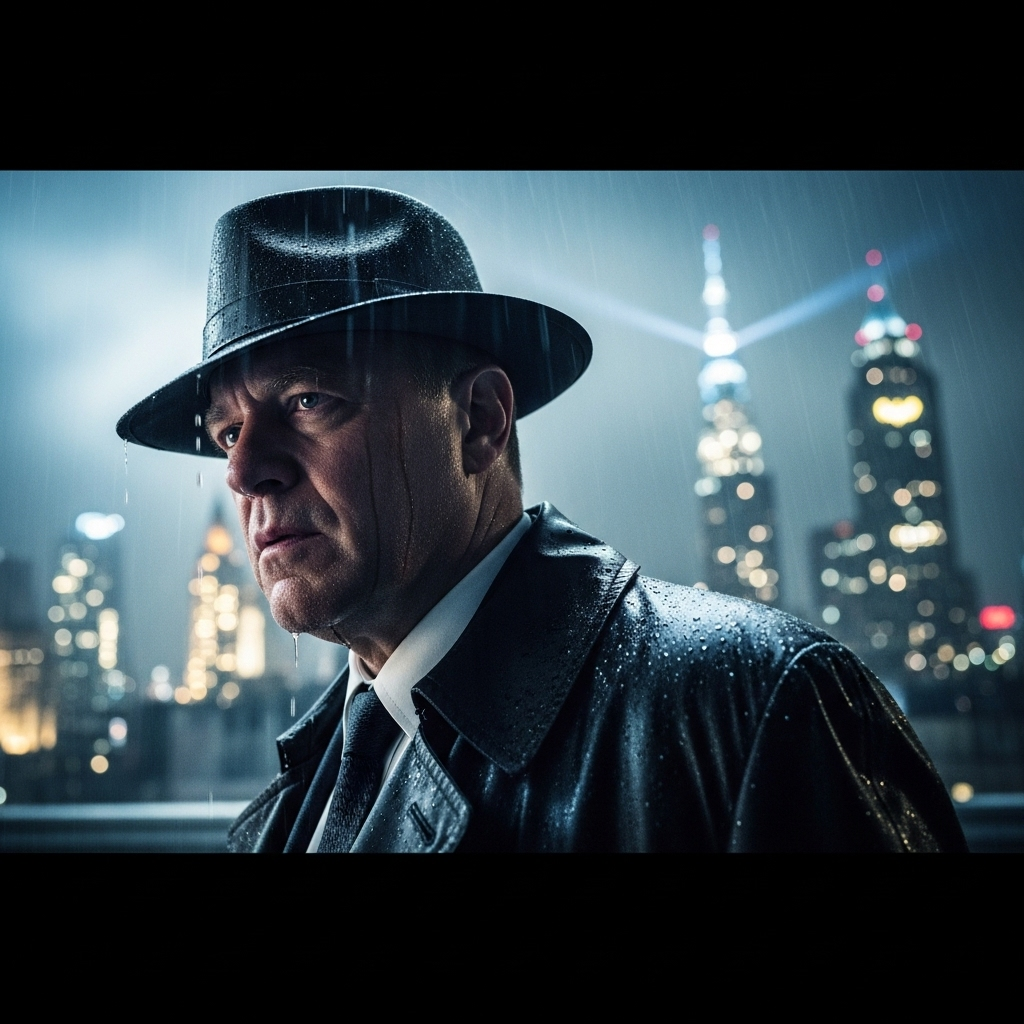
What Jeffrey Wright Said: A Simple, Powerful Message
Faced with this wave of negativity, many actors might have lashed out or felt the need to defend their place in the film. But Jeffrey Wright chose a different path—one of quiet confidence and historical perspective. His singular message, woven through various interviews, can be distilled down to this: Go see the movie.
He didn’t give the racist arguments oxygen by debating them. Instead, he pointed to the work and the history. In one interview, Wright noted, “If you look at the history of Gotham, it’s a city. It’s a major American city. The idea that it’s populated by one type of person is just silly. It’s not realistic.” He treated the idea of an all-white Gotham as the absurd notion it is.
More pointedly, Wright revealed a key inspiration for his portrayal: a real-life Black police officer named Samuel Battle, who became the first Black officer in the NYPD in 1911. Battle faced immense racism and hostility but served with distinction for decades, rising through the ranks and becoming a lieutenant. Wright explained, “He was a guy who was facing all types of pressures and prejudices and yet was dedicated to the job… there’s a line to a character like Gordon there.”
This was Wright’s checkmate. He wasn’t just “race-swapping” a character; he was grounding his performance in the rich, complex history of law enforcement in America, adding a layer of verisimilitude the comics never had. His message wasn’t just “see the movie,” it was “see the movie, because we’ve done our homework and built something more meaningful and resonant than you can imagine.” He trusted that the quality of his performance and the film’s vision would be the only rebuttal necessary.
The Historical Context of Commissioner Gordon
Commissioner James Gordon first appeared alongside Batman in Detective Comics #27 in 1939. Created by Bill Finger and Bob Kane, he was depicted as a white man with a mustache and glasses, a steadfast ally in a corrupt city. For decades, that’s how he remained in the mainline comics and most adaptations.
However, clinging to that single visual representation ignores the evolution of comics and society. Over the years, Gotham City has been reimagined countless times. It’s been a gothic nightmare, a gleaming art-deco metropolis, and a gritty, Scorsese-esque urban jungle. Its population should reflect that dynamism.
The core of Gordon is not his whiteness. It’s his moral compass. He is the ordinary man in a world of freaks and vigilantes, a symbol of the institutional hope that Batman’s brand of justice exists outside of. He is a good cop in a bad city. That is the essence of the character, an essence that is completely independent of race. An actor’s ability to convey that weary integrity is what matters, and few actors possess the gravitas and intellectual depth of Jeffrey Wright.
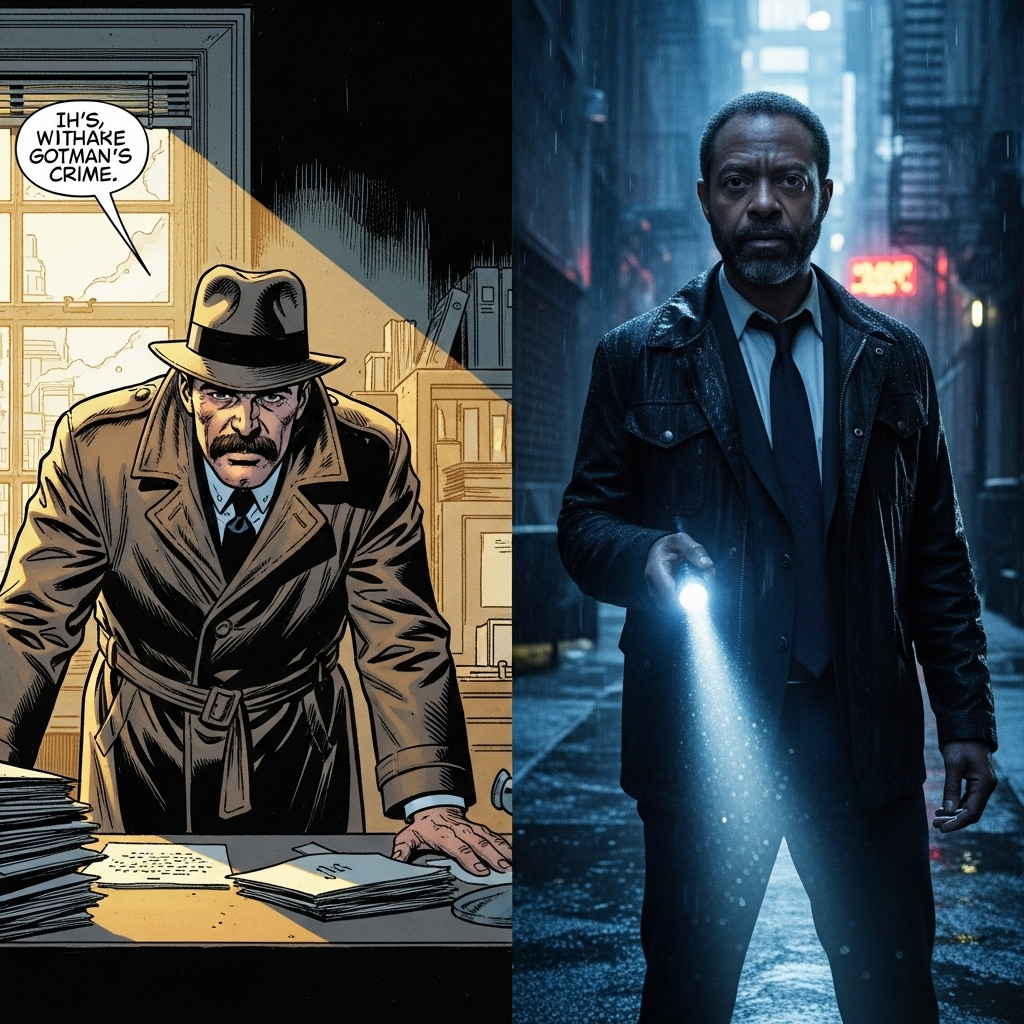
Why Jeffrey Wright’s Performance Silenced the Haters
When The Batman finally hit theaters, any lingering, good-faith debate about the casting was rendered moot. Jeffrey Wright wasn’t just good as Gordon; he was arguably the definitive version of the character on screen. He embodied the exhaustion and determination of a man drowning in a sea of corruption but still fighting to keep his head above water.
His chemistry with Robert Pattinson’s Batman was a highlight of the film. Their relationship felt less like a superhero and his contact and more like a partnership between two broken but brilliant detectives. You could feel the weight of their shared burden in every quiet conversation and every knowing glance. Our own review of The Batman praised Wright for bringing a “soulful weariness” to the role that made Gotham feel more real than ever before.
Wright’s Gordon felt like he had been fighting this war for years before Batman ever showed up. He was intelligent, capable, and the undisputed moral center of the film. The performance was so compelling and so perfectly suited to the film’s noir tone that the initial “controversy” seemed utterly ridiculous in hindsight. The work, as Wright predicted, spoke for itself.
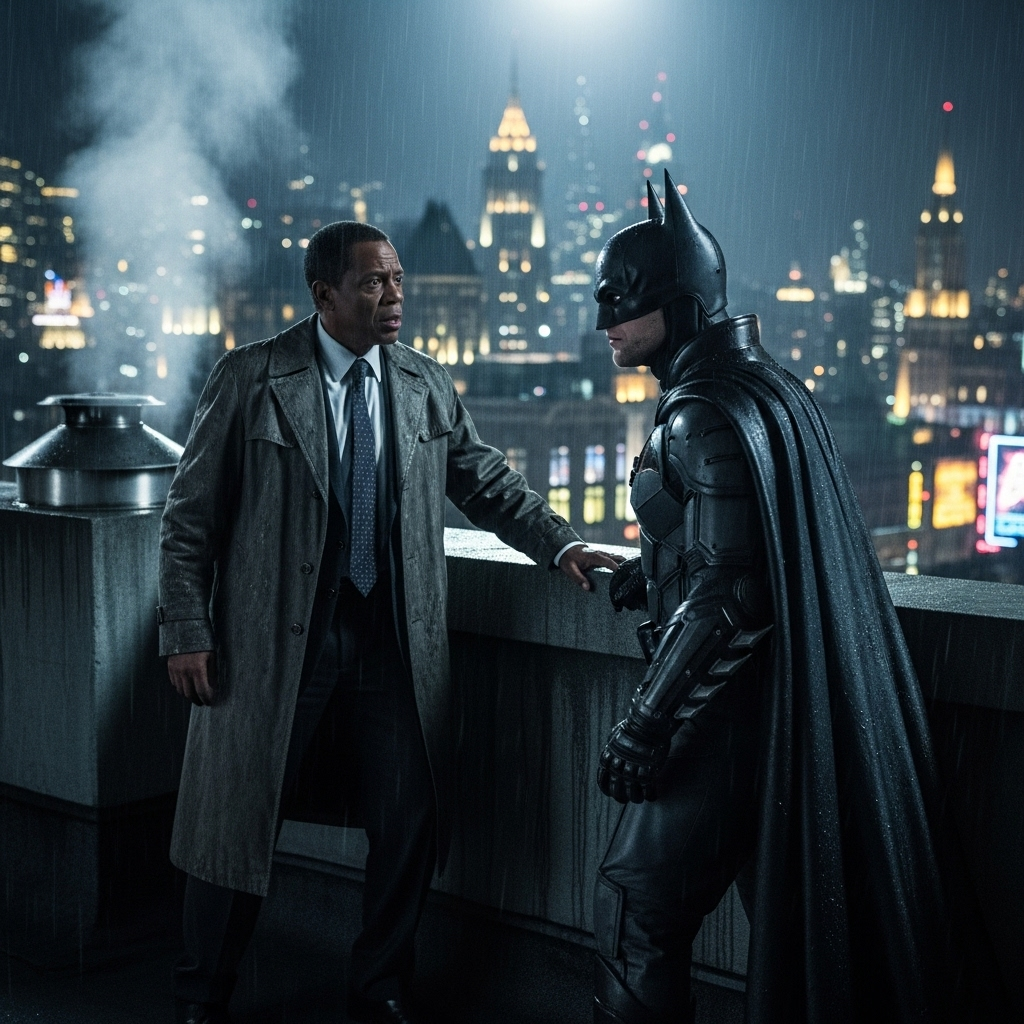
The Bigger Picture: Diversity in Gotham and Beyond
The successful casting of Jeffrey Wright, alongside Zoë Kravitz’s acclaimed performance as the biracial Selina Kyle, highlights a crucial point: diverse casting doesn’t detract from these stories—it enhances them. It makes their worlds richer, more believable, and more reflective of the audience watching them.
Gotham is a fictional American city, and America is a multicultural nation. Seeing that diversity reflected on screen makes the world feel more grounded and allows for more complex storytelling, as evidenced by Wright’s use of Samuel Battle as an inspiration. For more information on this trend, you can read about the evolution of characters at DC Comics.
These characters are modern myths. Like the Greek gods of old, their stories are meant to be retold and reinterpreted to speak to the values and realities of the present day. Insisting that Commissioner Gordon must always be a white man from the 1940s is like insisting that a modern production of Hamlet must use an all-male cast. It’s a limitation that stifles creativity and relevance.
In the end, Jeffrey Wright did more than just give a stellar performance. He delivered a masterclass in handling bad-faith criticism with grace and confidence. His simple message—to trust the art and let the work be its own defense—was proven correct. He didn’t just play a great Commissioner Gordon; he embodied the very integrity and intelligence that defines the character, both on and off the screen.
“`


