



London Underground: 7 Days of Strikes Halt Tube Service
London Underground: 7 Days of Strikes Halt Tube Service
Table of Contents
- What is the Week-Long Strike About?
- How the London Underground Strike Will Impact Travel
- Official Advice and Alternative Routes
- The Current State of Negotiations
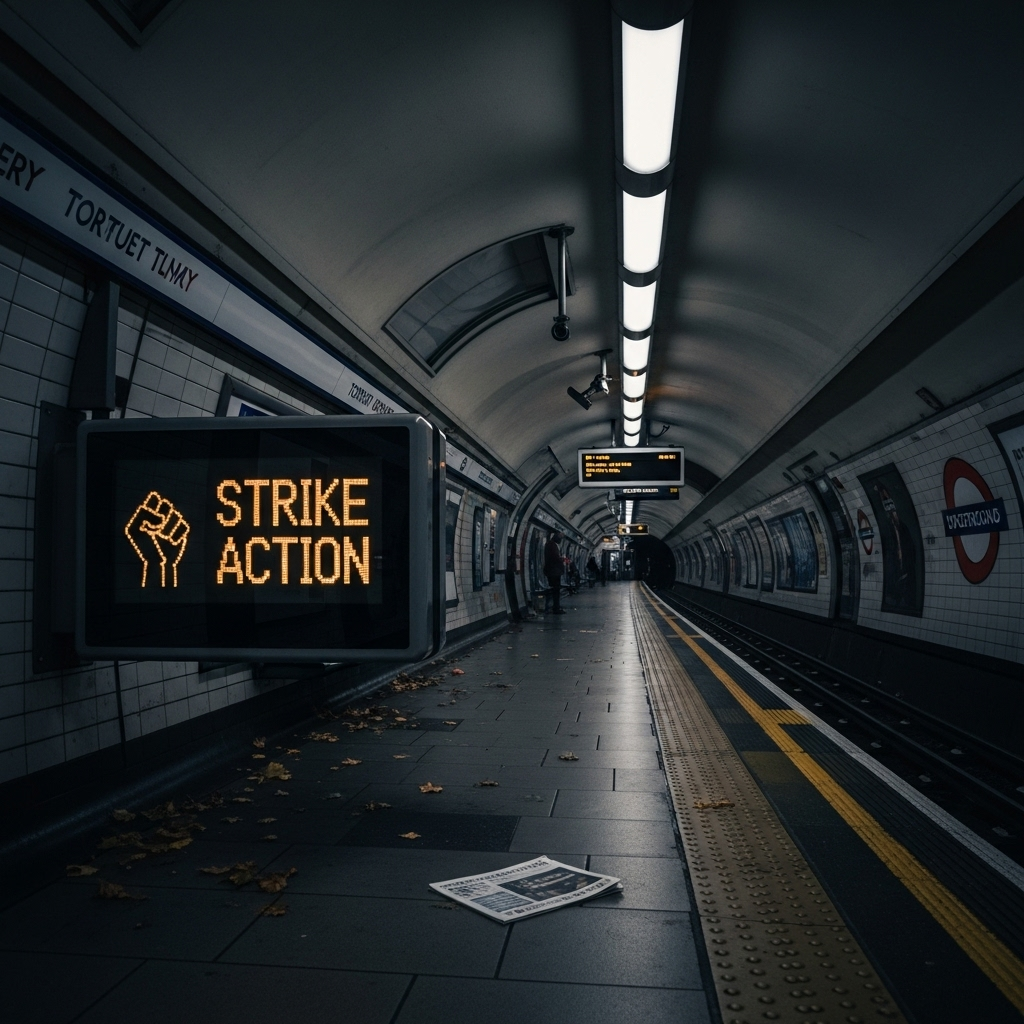
Londoners and tourists are bracing for a week of severe travel disruption as a major strike is set to bring the entire london underground network to a grinding halt. Starting this Monday, coordinated industrial action by thousands of Tube workers will suspend services for seven consecutive days, marking one of the most significant walkouts in the network’s recent history. The dispute, centered on proposed changes to pensions and working conditions, promises widespread chaos across the capital.
Transport for London (TfL) has warned of “little to no service” on all Tube lines throughout the strike period. Commuters are being urged to work from home if possible and to seek alternative travel methods, though other forms of public transport are expected to be exceptionally busy. The strike action is a major escalation in the ongoing dispute between transport unions and TfL management, leaving millions of daily passengers caught in the middle.
What is the Week-Long Strike About?
The core of the dispute lies in proposed reforms to the TfL pension scheme and planned changes to long-standing working agreements for london underground staff. Union leaders from both the RMT (Rail, Maritime and Transport) and ASLEF unions have stated that these changes represent a direct attack on their members’ job security and retirement benefits.
According to a statement from the RMT, the key points of contention include:
- Pension Scheme Changes: TfL is under pressure from the government to reform its pension scheme to make it “financially sustainable.” Unions argue this will mean employees have to pay more and work longer for a smaller pension in retirement.
- Working Conditions: Proposed changes to staff rotas and job roles are seen as a threat to work-life balance and could lead to hundreds of job losses across the network, compromising both staff well-being and passenger safety.
- Lack of Guarantees: Union officials claim that TfL has failed to provide sufficient guarantees that no employee will face compulsory redundancy as a result of these reforms.
A spokesperson for the Mayor of London’s office acknowledged the “difficult financial situation” TfL faces, a direct result of the pandemic’s impact on passenger numbers. However, they urged both sides to return to the negotiating table to “avert this damaging strike and find a solution that’s fair to staff and to Londoners.”
How the London Underground Strike Will Impact Travel
The impact of a full-week shutdown of the london underground cannot be overstated. With an average of over four million passenger journeys per day, the Tube is the backbone of the capital’s transport system. The strike will have a ripple effect across all other modes of transport and aspects of city life.
TfL has confirmed that there will be severe disruption or a complete suspension of service on all lines, including the Bakerloo, Central, Circle, District, Hammersmith & City, Jubilee, Metropolitan, Northern, Piccadilly, Victoria, and Waterloo & City lines. While the Elizabeth line, London Overground, DLR, and tram services are expected to run, they will be much busier than usual and may be subject to last-minute changes and station closures to manage crowding.
Key impacts will include:
- Overcrowded Alternatives: Buses, trains, and river services will be packed, with long queues expected at stops and stations.
- Gridlocked Roads: Commuters turning to cars, taxis, and ride-sharing apps will lead to significant traffic congestion on London’s already busy roads.
- Economic Hit: Businesses, particularly in the retail, hospitality, and entertainment sectors, are expected to suffer as footfall drops dramatically.
Tourists visiting the city will be particularly affected, finding it difficult to navigate the capital and reach popular attractions. The advice for everyone is to check travel status before you leave and allow significantly more time for any journey undertaken.

Official Advice and Alternative Routes
Transport for London has issued clear guidance for the strike week, with the primary message being to avoid travel on the Tube network entirely. For those who must travel, planning is essential.
TfL’s Chief Operating Officer, Andy Lord, stated, “We are incredibly disappointed that the unions have chosen to proceed with this strike action. We are urging Londoners who need to travel to check their journey in real-time using our tools.”
Here are the recommended alternatives and resources:
- Buses and Trams: Hundreds of extra buses are being deployed, but services will be very crowded and may be delayed by traffic. Check TfL’s live status checker for real-time information.
- National Rail, DLR, and Overground: These services will operate but are expected to be much busier than normal. Some stations that interchange with the Tube may be closed or exit-only.
- Walking and Cycling: For shorter journeys, walking or using Santander Cycles may be the quickest and most reliable option. TfL has added extra capacity to its cycle hire scheme.
- Official Information: For the most up-to-date information, passengers should consult the Transport for London’s official website and the TfL Go app.
It is crucial to remember that the disruption will likely begin on Sunday evening as services wind down and continue into the morning of the day after the strike officially ends, as equipment and staff are returned to their normal positions.
The Current State of Negotiations
As of this morning, talks between TfL and union representatives remain at a standstill. Both sides have accused the other of refusing to engage in meaningful negotiations. The RMT’s General Secretary, Mick Lynch, said, “Our members are taking a stand to protect their pensions, jobs, and the safety of the travelling public. We are available for talks, but we will not accept pre-conditions that lock in cuts.”
Conversely, TfL insists that it has presented a fair and reasonable offer and that the proposed changes are necessary to secure the long-term future of the london underground. With the strike now just days away, the window for a resolution is closing fast, making a full week of travel misery seem all but inevitable for the capital.

The coming week will be a significant test of London’s resilience. For now, the message is clear: the city’s iconic Tube network is shutting down, and everyone who relies on it must prepare for a week of unprecedented disruption.


