
Corrected posts: 2 new alert features from Meta’s update
In the fast-paced world of social media, information spreads like wildfire. Unfortunately, so does misinformation. Meta, the parent company of Facebook and Instagram, is taking another significant step to address this challenge with a new update focused on transparency and accountability. The solution revolves around a simple but powerful concept: corrected posts. If you’ve ever published something in haste only to realize it was inaccurate, these new tools are designed for you.
This update introduces two groundbreaking alert features that fundamentally change how we see and interact with corrected information. It’s no longer about quietly editing a caption and hoping no one noticed. Instead, Meta is providing a framework to publicly acknowledge and distribute corrections, helping to rebuild trust and ensure users have the most accurate information. Let’s explore what these features are and why they matter for everyone from casual users to major brands.
What Exactly Are Meta’s New Corrected Posts?
Before diving into the new features, it’s crucial to understand what Meta defines as a “correction.” This isn’t for fixing a simple typo or grammar mistake. A correction, in this context, refers to a substantive change to a post’s factual claims. Think of it as the digital equivalent of a newspaper printing a correction on the front page.
The system is designed to handle situations where the core information of a post was wrong. For example, if a brand account accidentally posted a product launch date as October 5th when it was actually October 15th, or a news page shared a statistic that was later found to be from an outdated source. These are the scenarios where corrected posts come into play.
Meta’s goal is to create a more responsible information ecosystem. By providing official tools to issue corrections, the platform empowers creators and brands to own their mistakes transparently. This initiative works in concert with their third-party fact-checking program, but puts the power to correct directly into the hands of the original publisher, encouraging proactive accountability.
Feature 1: The Prominent Correction Banner
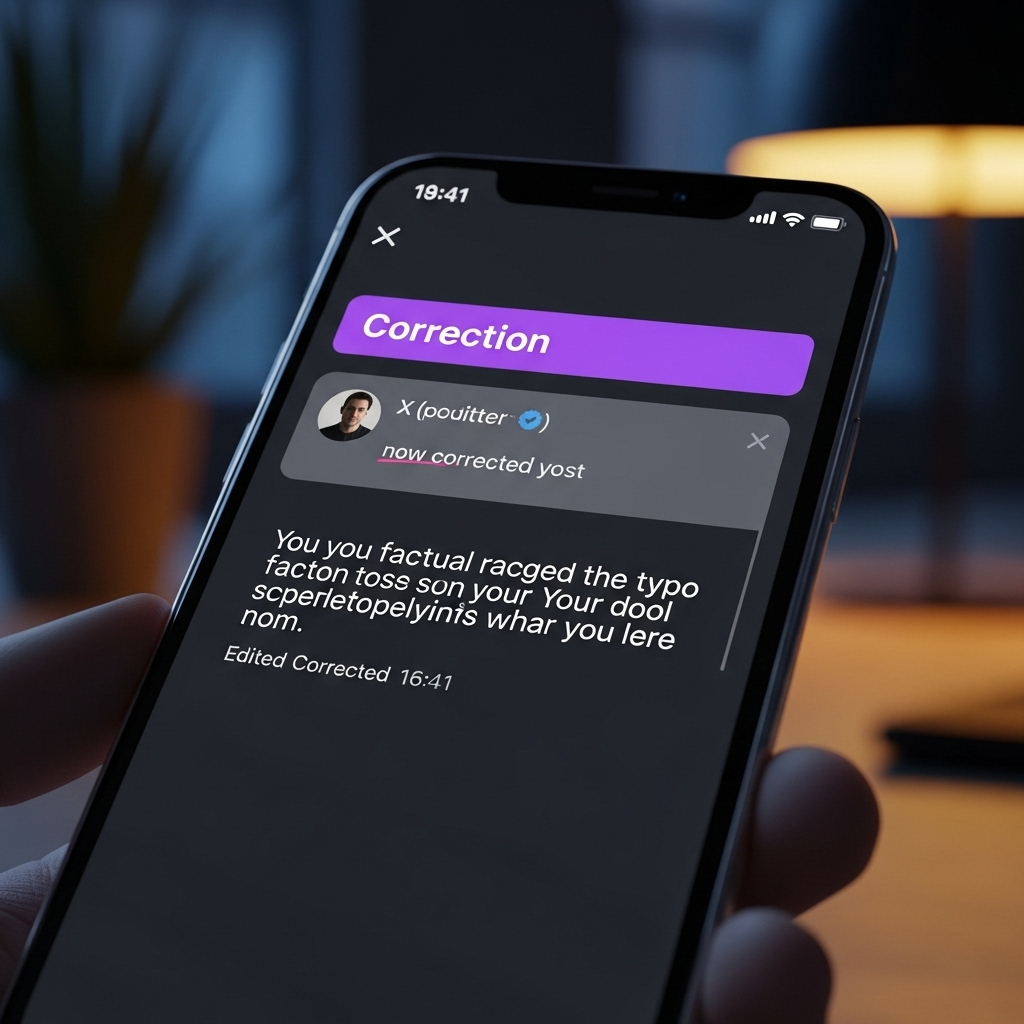
The first major feature is a highly visible banner that gets attached directly to the edited post. This is the most immediate and public-facing aspect of the update.
Here’s how it works: When a publisher makes a significant factual correction to their post, they will have the option to flag it as a correction. Once they do, Meta will append a clear, unmissable banner to the post. This banner will state something like, “The publisher has corrected this post.”
This banner serves several key purposes:
- Visibility: It’s designed to be eye-catching, preventing users from scrolling by and missing the fact that the information they are consuming has been changed.
- Context: The banner will likely include a timestamp, showing users exactly when the correction was made. This provides a clear timeline of the information’s evolution.
- Transparency: In many cases, users can click the banner to see a summary of the correction or what was changed, providing full context rather than just noting that a change occurred.
For brands, this is a powerful tool for managing your online reputation. Instead of a messy process of deleting the old post and creating a new one (losing all engagement), you can now correct the original and demonstrate a commitment to accuracy. This move signals to your audience that you value truth over ego.
Feature 2: The Proactive Correction Notification
While the banner handles new viewers, the second feature tackles a much harder problem: what about the people who already saw, liked, shared, or commented on the inaccurate version?
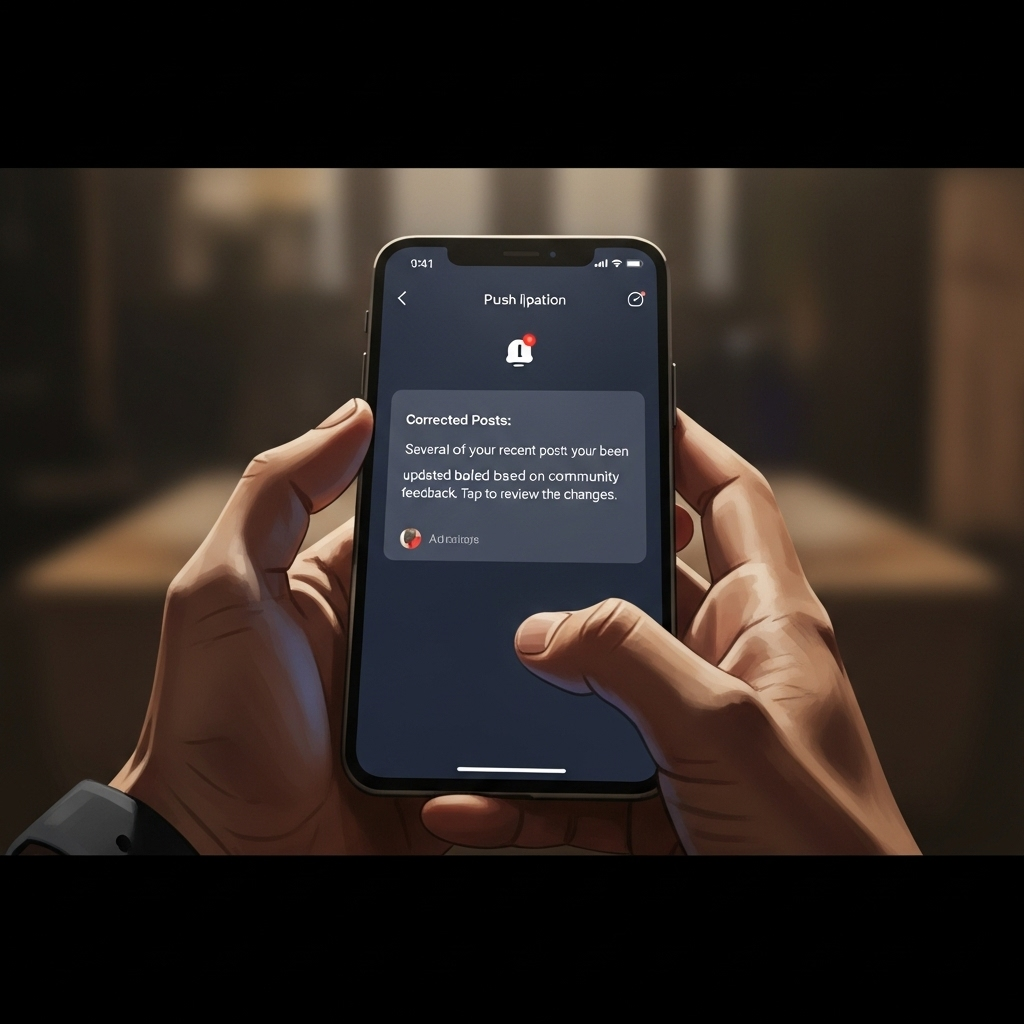
Meta’s solution is a proactive notification system. Users who engaged with a post before it was corrected will receive a direct notification alerting them to the change. This is a massive leap forward in mitigating the spread of misinformation.
Imagine this scenario: A popular creator shares a health tip that is later debunked. Thousands of people share it. With the old system, those shares would live on, spreading the bad information. With the new system, every single person who liked, commented on, or shared that original post receives a pop-up notification that says, “A post you interacted with has been corrected by the publisher.”
This notification will link them back to the updated post, allowing them to see the corrected information for themselves. It effectively stops the misinformation in its tracks and attempts to rewind its impact. This is a crucial step because the initial, incorrect version of a post often gets far more reach than any subsequent correction.
Why These Corrected Posts Features Are a Game-Changer
This update is more than just a new button in the user interface; it represents a cultural shift toward greater accountability online. The implications for brands, creators, and everyday users are significant.
For brands and businesses, the ability to issue formal, transparently marked corrected posts is an invaluable tool for crisis management and trust-building. Mistakes happen. Acknowledging them openly and using Meta’s official tools to do so can turn a potential PR disaster into a demonstration of integrity. It shows your audience that you are committed to accuracy and are not trying to hide your errors.
For content creators and influencers, credibility is currency. Your followers trust you to provide them with entertaining, informative, and, most importantly, accurate content. When you make a factual error, ignoring it or quietly deleting it can erode that trust. Using the correction features, however, reinforces your credibility. It shows respect for your audience by ensuring they have the right information.
Finally, for everyday users, this system fosters a healthier, more reliable information environment. It empowers us to be more critical consumers of content, knowing that systems are in place to flag and update inaccuracies. It’s a step toward a social media landscape where truth can travel just as fast as fiction.
How Your Brand Can Prepare for the Update
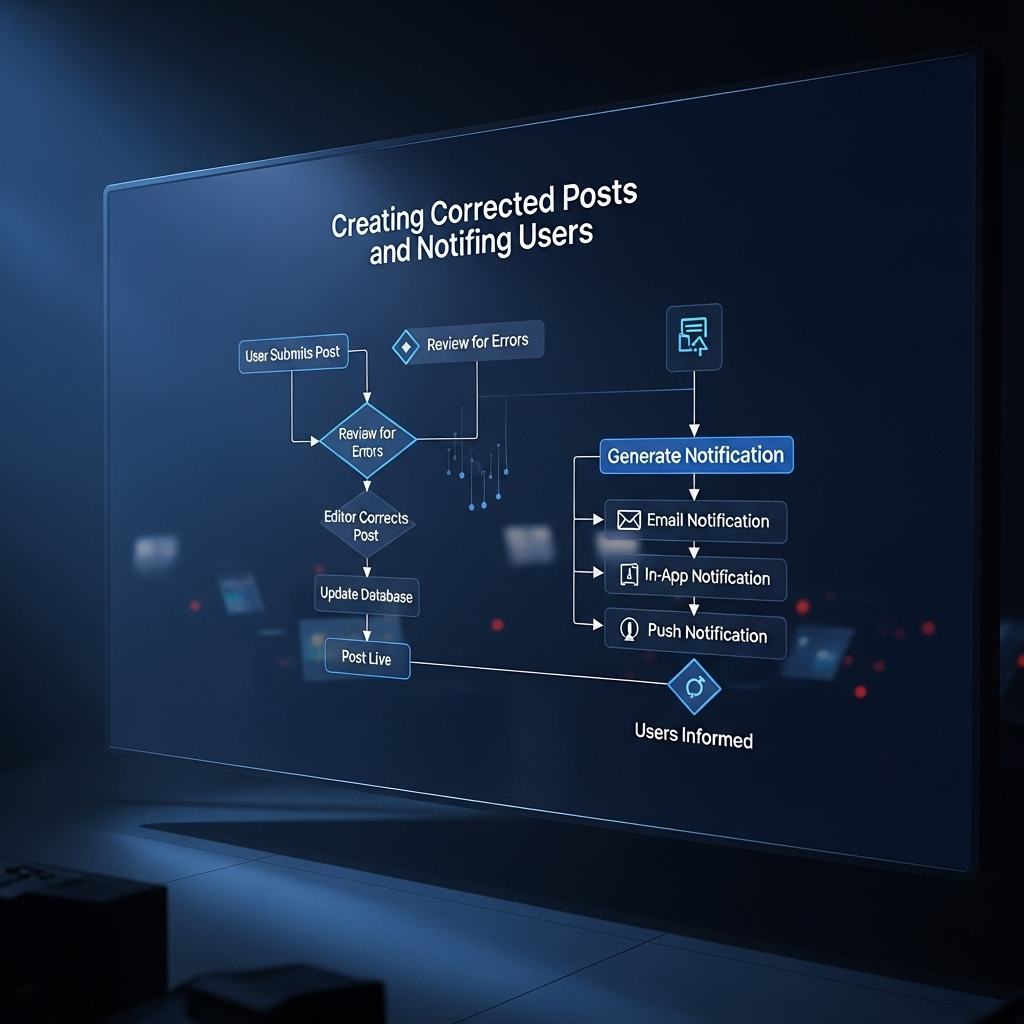
With these changes rolling out, proactive brands and creators should prepare now. You don’t want to be figuring this out in the middle of a crisis. Here are a few actionable steps you can take:
- Develop a Correction Policy: Sit down with your team and establish a clear internal policy for handling factual errors. Decide what warrants a correction versus a simple edit. Define the tone and language you will use in your correction statements. Check out our guide on best practices for social media transparency.
- Implement a Pre-Publishing Fact-Check: The best correction is the one you never have to make. Strengthen your content creation workflow with a dedicated fact-checking step, especially for posts that include data, statistics, dates, or sensitive claims.
- Train Your Social Media Team: Ensure anyone with publishing access to your social media accounts understands these new features and knows your company’s policy. Run a mock scenario so they are comfortable using the tools before they have to do it for real.
Ultimately, Meta’s new features for corrected posts are a welcome evolution. They provide the tools needed for a more accountable digital public square. By embracing them, brands and creators can not only avoid the pitfalls of misinformation but also actively build stronger, more trusting relationships with their audience. For more on the importance of digital accuracy, resources from the Poynter Institute are an excellent starting point.


