
microsoft’s blessing: 3 Big Changes for OpenAI’s Future
The symbiotic relationship between Microsoft and OpenAI is one of the most powerful forces shaping the future of technology. While the partnership has already yielded incredible advancements, the full extent of microsoft’s blessing is only now beginning to crystallize. It’s more than just a financial investment; it’s a deep, strategic alignment that will fundamentally alter OpenAI’s trajectory. As the AI lab matures, this backing provides a moat of resources, infrastructure, and influence that few startups could ever dream of.
With this unparalleled support, OpenAI is poised for a new era of growth and integration. But what does this look like in practice? We’re diving into the three most significant changes coming to OpenAI, all made possible by the unwavering support from its Redmond-based partner.
Table of Contents
1. Deeper Integration into the Microsoft Ecosystem
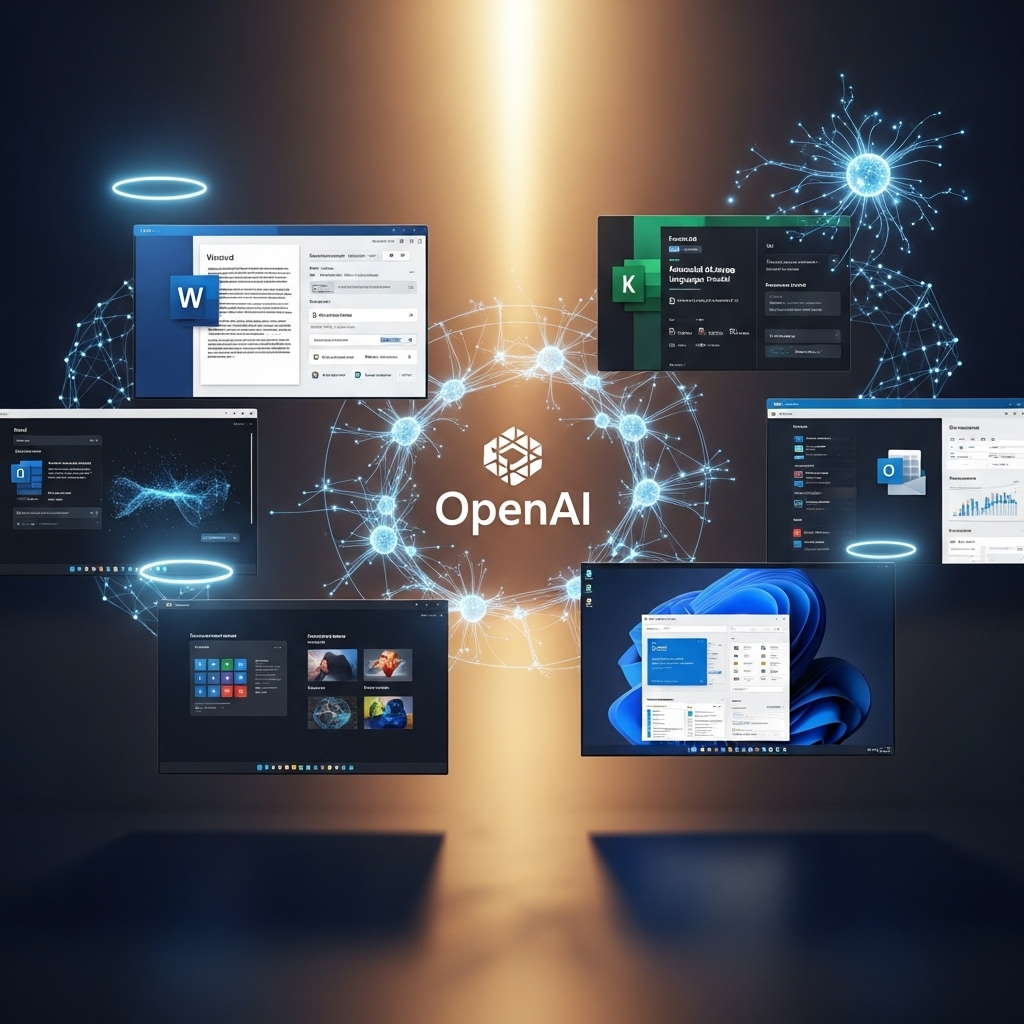
The first and most visible change is the seamless weaving of OpenAI’s technology into the fabric of Microsoft’s entire product suite. We’ve seen the early stages with Copilot in Windows and Microsoft 365, but this is just the appetizer. With microsoft’s blessing comes unprecedented access to the core of products used by billions of people daily.
Imagine a version of Microsoft Word that doesn’t just correct your grammar but helps you structure an entire report based on a one-sentence prompt, citing internal documents from your company’s SharePoint. Think of Microsoft Teams meetings where an AI not only transcribes but also summarizes action items and assigns them to the relevant people in real-time. This level of integration requires a deep, native connection between the AI models and the software—something that is only possible with a tight, trusted partnership.
This goes beyond simple API calls. We’re talking about:
- Next-Generation Copilots: AI assistants that are contextually aware across all Microsoft apps, from your Outlook calendar to your Xbox gaming habits.
- AI-Powered Operating Systems: Future versions of Windows could feature a core AI layer that proactively manages resources, personalizes user experiences, and offers predictive assistance.
- Enhanced Azure AI Services: The capabilities offered through Azure OpenAI Service will become more powerful, offering developers faster, more fine-tuned, and specialized models.
This deep integration ensures OpenAI’s models have the largest possible distribution channel, embedding them into the daily workflows of professionals and consumers worldwide. It guarantees relevance and a massive feedback loop for continuous improvement.
2. A Surge of Enterprise Tools: The True Impact of Microsoft’s Blessing
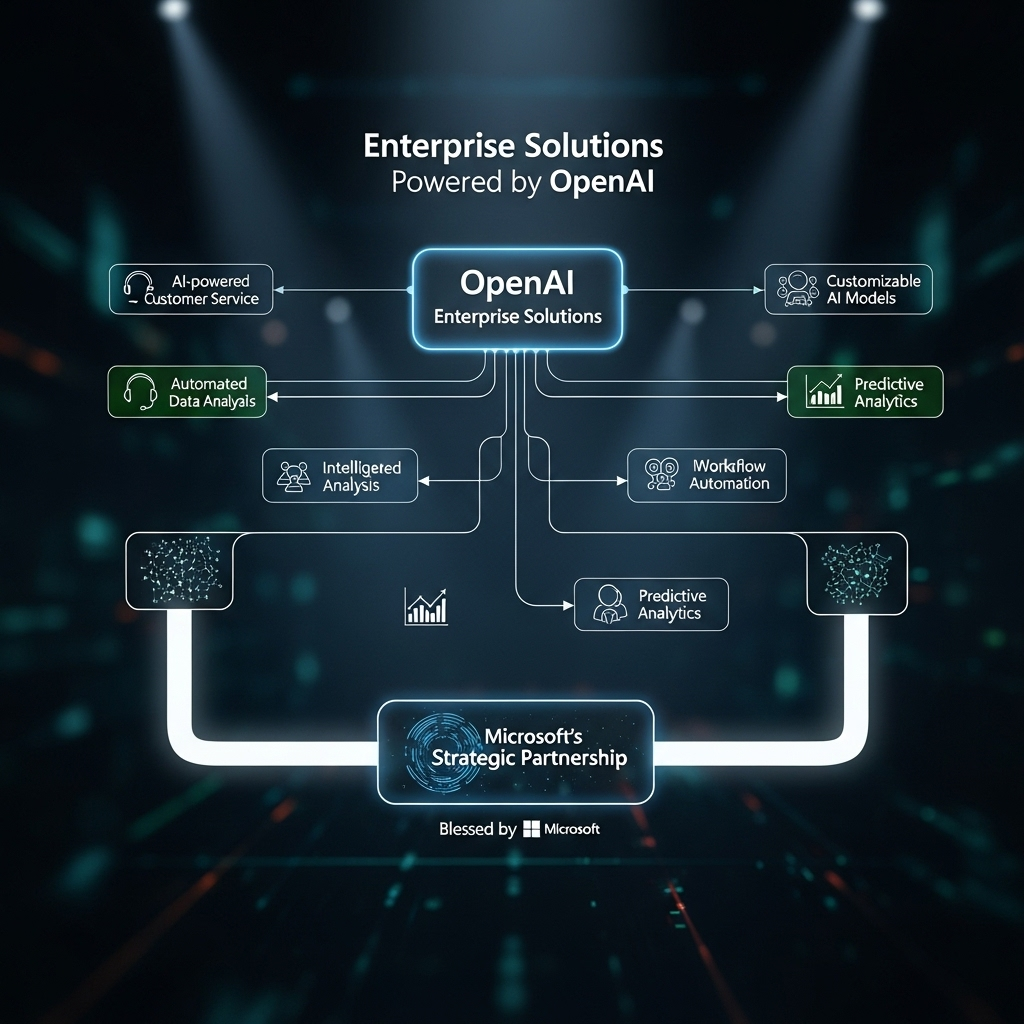
While consumer-facing tools like ChatGPT get the headlines, the real treasure chest lies in the enterprise sector. The true impact of microsoft’s blessing is the immediate trust and credibility it lends to OpenAI in the corporate world. CIOs and CTOs are rightfully cautious about adopting new technology, especially AI, which comes with security, privacy, and reliability concerns.
Microsoft’s involvement acts as a stamp of approval. The company has spent decades building relationships with Fortune 500 companies and understands their stringent requirements. This translates into a new wave of OpenAI-powered tools built specifically for business, all benefiting from Microsoft’s robust infrastructure and security protocols.
We can expect to see a massive expansion in:
- Industry-Specific Models: Highly-tuned versions of GPT models trained on specialized data for sectors like finance (analyzing market trends), healthcare (assisting with diagnostics), and law (automating contract review). These models will be delivered via the secure Azure cloud.
- Private, Secure Deployments: Companies will be able to deploy powerful AI models within their own private cloud or on-premise environments, ensuring their proprietary data never leaves their control. This is a critical requirement for many large organizations.
- Scalability and Reliability: Leveraging Microsoft’s global data center network means OpenAI’s services can handle enterprise-level workloads without breaking a sweat, offering the 99.99% uptime that businesses demand.
This focus on the enterprise is a direct result of Microsoft’s influence, shifting OpenAI from a research-focused lab to a provider of mission-critical business solutions. It’s a pragmatic and incredibly lucrative pivot.
3. Navigating the Regulatory Maze with a Tech Titan
Perhaps the most underestimated benefit of microsoft’s blessing is the political and legal shield it provides. The world of artificial intelligence is a regulatory minefield. Governments globally are scrambling to understand and legislate AI, with major frameworks like the EU AI Act setting complex rules for development and deployment.
For a startup, navigating this landscape alone would be a monumental task, draining resources and slowing innovation. With Microsoft in its corner, OpenAI gains access to one of the world’s most sophisticated legal and policy teams. This team has decades of experience dealing with antitrust lawsuits, privacy regulations (like GDPR), and lobbying governments.
This partnership ensures OpenAI can:
- Stay Ahead of Compliance: Microsoft’s legal experts can guide OpenAI’s development to ensure its models and products are built with future regulations in mind, avoiding costly redesigns later.
- Influence Policy: As a tech giant, Microsoft has a significant voice in policy discussions. It can advocate for sensible, pro-innovation regulations that don’t stifle progress, directly benefiting OpenAI’s long-term goals.
- Build Public Trust: By aligning with Microsoft’s established “Responsible AI” principles, OpenAI can bolster its public image and reassure users and regulators that it is committed to ethical development. This is essential for long-term viability.
This “blessing” allows OpenAI to focus on what it does best—building groundbreaking AI—while its partner handles the formidable task of navigating the global political and legal complexities.

The Path Forward
The alliance between Microsoft and OpenAI is more than a partnership; it’s a strategic fusion that secures OpenAI’s future. Through deep product integration, a laser focus on enterprise solutions, and expert navigation of the regulatory environment, OpenAI is set to become an enduring pillar of the tech world.
While some may worry about the concentration of power, there is no denying that microsoft’s blessing has given OpenAI a clear and accelerated path to achieving its ambitious goals. The changes we see today are just the beginning of a transformation that will redefine how we work, create, and interact with technology for decades to come.
“`


