

This incident has sent shockwaves through the tech community, highlighting the physical vulnerabilities that underpin our increasingly digital world. While cloud services offer incredible resilience against software failures and digital threats, this event serves as a stark reminder that the internet is ultimately built on physical infrastructure that can be damaged.
The Incident: How Four Cut Cables Caused Chaos
Early this morning, users began reporting widespread issues accessing a variety of Microsoft products. Initial speculation pointed towards a possible DDoS attack or a major software bug within Microsoft’s data centers. However, the company quickly clarified the situation, attributing the massive outage to “multiple fiber optic cable cuts” in a key transit region.
According to sources familiar with the matter, the damage was not accidental. Four separate, geographically distinct fiber cables were severed in what appears to be a coordinated act of sabotage. These cables act as the primary data highways connecting several of Microsoft’s major data centers to the broader internet. Cutting them effectively isolated these facilities, creating a massive bottleneck and preventing data from flowing in or out.
An official statement noted, “Our engineering teams were immediately alerted to a loss of connectivity in the US-East-2 region. Upon investigation, we discovered physical cuts to four major fiber trunks. We are working with local law enforcement and have dispatched repair crews to the affected locations.” This type of physical damage requires hands-on repair, a process that is significantly more time-consuming than resolving a software issue.
The Widespread Impact on Microsoft Cloud Services
The fallout from the cable cuts was immediate and far-reaching, affecting the entire ecosystem of Microsoft cloud services. The disruption was not limited to a single application but cascaded across both consumer and enterprise-level products.
Key services impacted include:
- Microsoft Azure: The backbone of many corporate operations, Azure experienced significant service degradation. Businesses relying on Azure for web hosting, virtual machines, databases, and other critical functions faced complete downtime. This led to inaccessible websites, frozen applications, and a halt in business processes.
- Microsoft 365: Productivity came to a standstill for countless organizations. Users reported being unable to access Outlook for email, log in to Teams for communication, or access files stored on SharePoint and OneDrive.
- Xbox Live: The gaming community was not spared. Players found themselves unable to log in, access digital games, or use matchmaking services, effectively bringing online gaming on the platform to a halt.
- Other Services: Ancillary services like Power BI, Dynamics 365, and even parts of the LinkedIn network also reported performance issues and outages due to their reliance on Azure infrastructure.
The incident underscores how deeply integrated Microsoft cloud services are in the daily operations of modern society. From corporate enterprise to personal entertainment, the outage demonstrated the potential for a single point of physical failure to cause widespread digital disruption. For more details on business continuity, see our guide on creating a disaster recovery plan.
Microsoft’s Official Response and Recovery Efforts
Microsoft’s response was swift, with their official Azure status page providing updates within an hour of the first reports. The company’s primary focus has been on transparency and rapid recovery. Engineers immediately began the process of rerouting internet traffic away from the damaged fiber paths to redundant, secondary routes.
However, the sheer volume of data handled by these primary trunks meant that even with rerouting, users experienced significant latency and degraded performance. It’s akin to closing a major four-lane highway and diverting all traffic onto smaller local roads—congestion is inevitable. A Microsoft spokesperson stated, “Our priority is to restore service through traffic rerouting while our field teams work on splicing and repairing the physical cables. This is a complex, physical repair process that will take several hours.”
The company has also been coordinating with law enforcement to investigate the criminal nature of the incident. While Microsoft has extensive redundancy built into its network, this coordinated attack on multiple, separate cables in one region proved to be a scenario that overwhelmed some of their automated failover systems, a point that will surely be a focus of their post-incident analysis.

The Achilles’ Heel: Physical Infrastructure’s Role in Cloud Stability
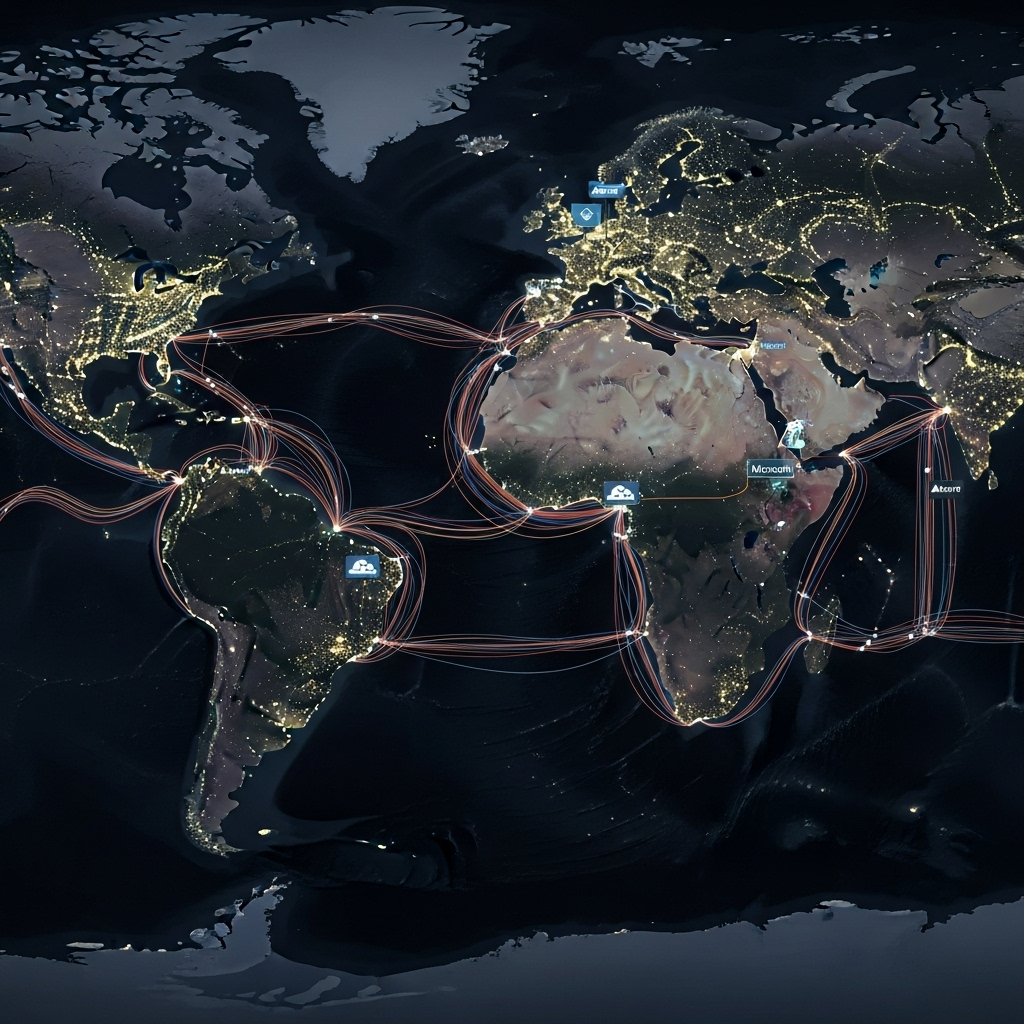
This outage serves as a critical lesson in the “cloud” misconception. The cloud is not an ethereal entity; it is a global network of physical data centers, servers, and millions of miles of fiber optic cables running underground and under the sea. While robust, this infrastructure is not immune to physical threats, whether from accidental damage during construction, natural disasters, or deliberate sabotage as seen in this case.
Experts argue that while companies like Microsoft, Amazon, and Google have invested billions in creating resilient, geographically distributed networks, a determined attacker targeting key infrastructure chokepoints can still cause significant disruption. The concentration of fiber optic conduits in certain geographic corridors creates potential single points of failure.
This incident will likely prompt a major review of physical security protocols for critical internet infrastructure across the industry. It highlights the need for not just digital security but also enhanced physical protection of the cables that form the internet’s backbone, which is crucial for the reliability of all Microsoft cloud services and their competitors.
Key Takeaways for Businesses and End-Users
For the thousands of businesses impacted, this outage is a costly wake-up call. The primary lesson is the danger of relying on a single cloud provider without a robust contingency plan. While multi-cloud strategies can be complex, this event demonstrates their value. A business with workloads distributed across Azure and another provider like AWS or Google Cloud would have been better positioned to weather this storm.
Key takeaways include:
- Review Your Disaster Recovery (DR) Plan: Does your DR plan account for a region-wide provider outage? It’s time to re-evaluate and test these plans rigorously.
- Consider a Multi-Cloud or Hybrid-Cloud Strategy: Spreading your critical applications across multiple cloud providers or maintaining some on-premise infrastructure can provide vital redundancy.
- Improve Communication Protocols: When services go down, how do you communicate with your team and customers? Having an out-of-band communication plan (e.g., a service not reliant on your primary cloud provider) is essential.
For end-users, the event is a reminder of our dependence on these services and the importance of having offline access to critical files. As repair crews work to restore the severed connections, the tech world will be watching closely, learning hard lessons about the fragility of the infrastructure that powers our modern lives.