



More London Tube Disruption: 2 Unions Reject New Deal

More London Tube Disruption: 2 Unions Reject New Deal
London commuters are bracing for a fresh wave of travel chaos as two of the largest transport unions have formally rejected a new pay and conditions deal from Transport for London (TfL). The decision by both ASLEF, the train drivers’ union, and the RMT, which represents a wide range of Tube staff, significantly increases the likelihood of more London Tube disruption in the coming weeks. This breakdown in negotiations signals a major setback in efforts to secure long-term stability on the capital’s transport network.
The rejection plunges the Underground system back into uncertainty, leaving millions of daily passengers questioning whether their journeys will be viable. The dispute centres on a comprehensive package that TfL had described as its “full and final offer,” covering pay rises, pension arrangements, and changes to working practices.
Why the Unions Rejected the Offer
The unions argue that the proposed deal fails to adequately address the cost-of-living crisis and introduces unacceptable changes to working conditions. While TfL presented the offer as a fair balance, union leaders have been vocal in their criticism.
The RMT union, led by its General Secretary, stated that the offer represented a “real-terms pay cut” for its members when measured against current and projected inflation. A key sticking point for the RMT is also the proposed reforms to pension schemes and concerns over future job security and station staffing levels. They argue that any reduction in staff numbers would compromise passenger safety and service quality. “Our members will not be bullied into accepting a deal that undermines their livelihoods and the safety of the Tube network,” an RMT spokesperson commented.
ASLEF, representing the vast majority of Tube drivers, echoed these financial concerns. Their negotiators highlighted that the pay increase did not reflect the unique skills and pressures associated with driving on the aging Underground system. Furthermore, they raised issues with proposed changes to rotas and scheduling, which they claim would negatively impact the work-life balance of their members. The union has maintained that any agreement must protect existing working arrangements that have been in place for years.
TfL’s Position and Financial Pressures
Transport for London has expressed its deep disappointment with the unions’ decision. In a prepared statement, a TfL representative said, “This offer was the best we could make in a challenging financial environment. It was a fair and reasonable proposal that would have provided a significant pay increase to our staff and helped us continue to modernise the Tube.”
TfL’s finances remain under significant strain following the dramatic drop in passenger numbers during the pandemic. Despite government support packages, the organisation is under pressure to become financially self-sufficient. This has led to a major savings drive, which includes reviewing all aspects of its operations, from staff costs to large-scale engineering projects. According to TfL, the rejected deal was carefully structured to be affordable without requiring service cuts or unmanageable fare hikes for passengers.
The transport body has warned that industrial action will only cause further financial damage. “Every day of strike action costs millions in lost revenue,” their statement continued, “which ultimately reduces the amount of money available for pay awards and investment in the network. We urge the union leadership to reconsider and work with us to avoid more London Tube disruption.” You can find more on TfL’s financial situation on their official About Us page.
What More London Tube Disruption Means for Commuters
With negotiations at a standstill, the threat of coordinated strike action is now very real. While no dates have been announced, the unions will now likely move to ballot their members for industrial action. If approved, London could face widespread shutdowns of the Underground network.
Past strikes have resulted in:
- Complete closure of some or all Tube lines.
- Severely limited service on any lines that do run.
- Massive overcrowding on buses, national rail services, and DLR.
- Significant delays and gridlock on London’s roads as more people turn to cars.
For commuters, this means a return to the uncertainty of planning essential journeys. Businesses across the capital are also concerned about the economic impact, from lost productivity due to staff travel issues to a reduction in footfall for retail and hospitality venues. The prospect of more London Tube disruption is a blow to the city’s ongoing economic recovery.
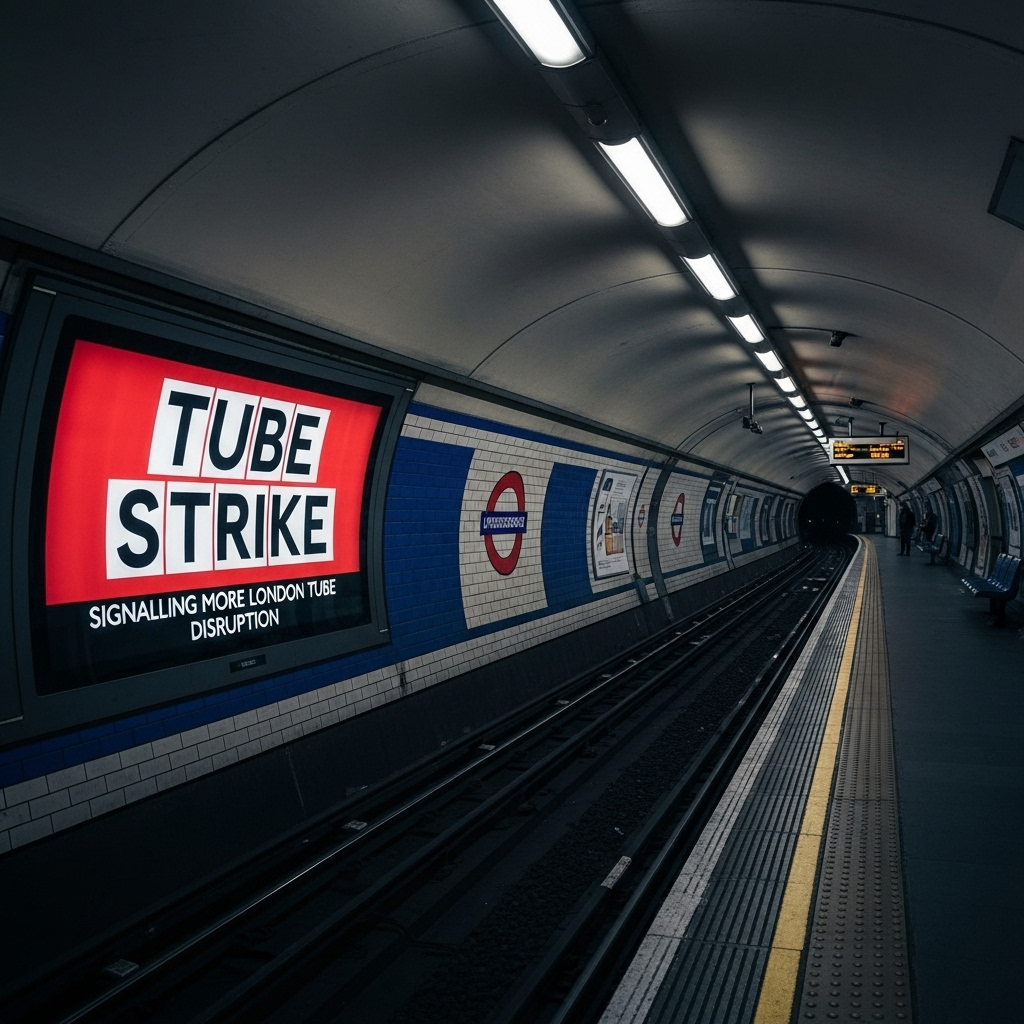
A Pattern of Protracted Disputes
This latest development is part of a long-running series of negotiations between TfL and transport unions. The relationship has often been tense, with disagreements over pay, pensions, and modernisation plans leading to numerous strikes over the past decade. Commuters have become accustomed to the cycle of talks, breakdowns, and industrial action.
These disputes often revolve around the fundamental conflict between TfL’s need to cut costs and modernise its services and the unions’ mandate to protect jobs, pay, and working conditions for their members. You can read more about the history of these industrial relations in our deep-dive, A Decade of Disruption.
What Happens Next?
The immediate next step will be for the RMT and ASLEF to prepare for and conduct formal strike ballots. This is a legal requirement before any industrial action can take place. These ballots typically take several weeks to complete.
If members vote in favour of action—which is highly anticipated given the leadership’s strong rejection of the deal—the unions must give at least 14 days’ notice of any planned strike. This means commuters will have some advance warning, but disruption could begin as early as next month.
There is still a window for last-minute talks to avert a walkout. Often, the threat of an imminent strike can bring both sides back to the negotiating table. However, with TfL insisting its offer was final and unions resolute in their rejection, Londoners are advised to prepare for the worst. It is crucial for all passengers to stay updated by checking the TfL status updates page regularly.

For now, London waits. The coming weeks will be critical in determining whether the capital is set for a prolonged period of travel misery or if a last-ditch compromise can be found to keep the city moving.
“`


