500 Jobs vs. Pushback on NC’s $6.4B Data Center Plan
A monumental $6.4 billion data center campus planned for central North Carolina is promising a significant economic injection, highlighted by the creation of 500 jobs. However, this ambitious proposal by QTS Realty Trust is facing a groundswell of local opposition, creating a classic showdown between economic development and environmental preservation. Residents and activists are raising serious questions about the project’s massive demand for water and electricity, setting the stage for a contentious approval process.
In This Article:
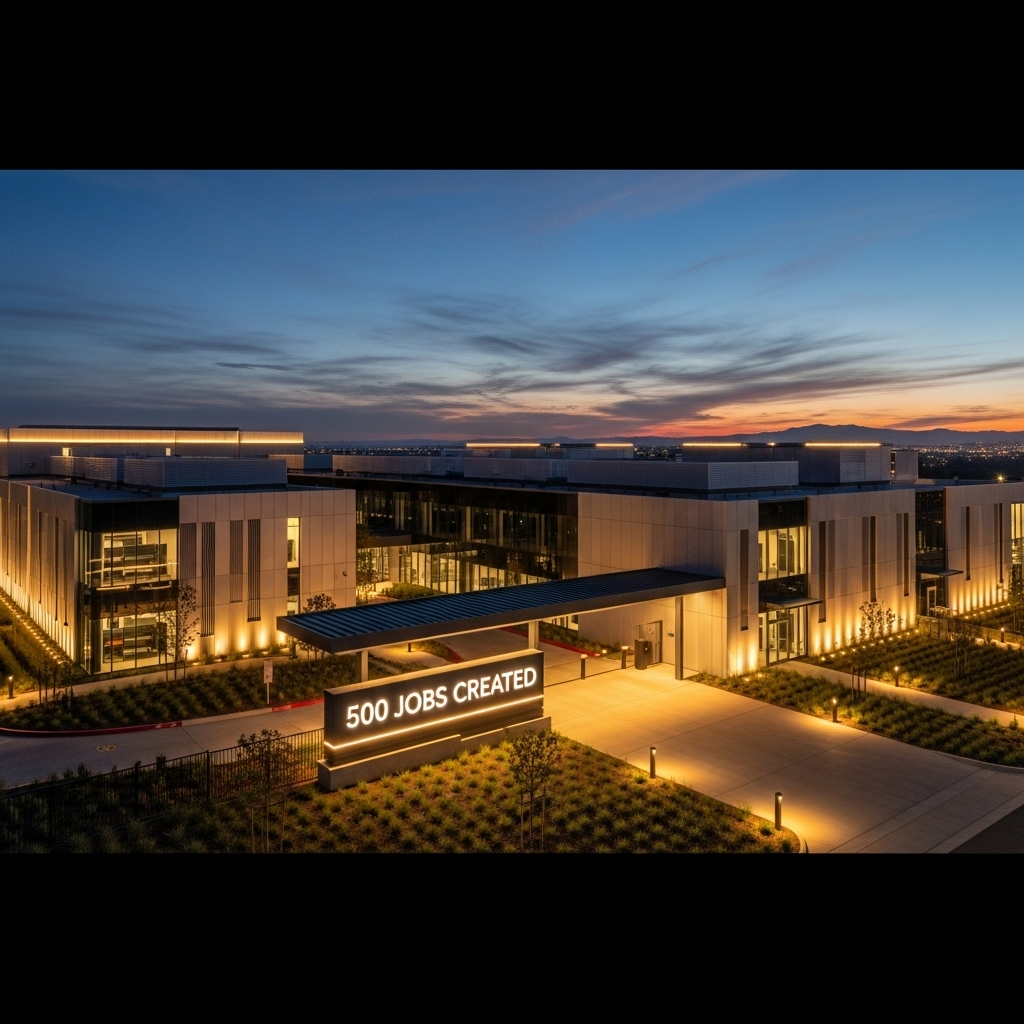
The Economic Promise of 500 Jobs
For state and local officials, the headline figure is clear: the creation of 500 permanent, high-paying jobs. Proponents of the data center, codenamed “Project Slugger,” emphasize that these are not just any jobs. They represent skilled positions in engineering, IT security, and facility management, with salaries projected to be significantly higher than the county average. This influx of capital and skilled labor is being touted as a transformative opportunity for the region.
The economic benefits extend beyond the direct hiring of 500 jobs. The construction phase alone is expected to generate thousands of temporary jobs for contractors, electricians, and builders over several years. Furthermore, the state’s economic development board points to the potential for a “multiplier effect,” where the new workforce will spend their earnings at local businesses, boosting the entire community’s financial health.
This project is framed as a critical step in positioning North Carolina as a leader in the digital economy. “We are competing for the jobs of the future,” stated one official. “Securing a project of this magnitude, with its promise of 500 well-paying jobs, sends a message that our state is open for business and ready to power the next generation of technology.”
Breaking Down the $6.4 Billion Investment
The staggering $6.4 billion price tag reflects the immense scale of the proposed data center campus. QTS Realty Trust, a leading provider of data center solutions, plans to develop a sprawling complex spanning over 1,000 acres. This investment covers land acquisition, infrastructure development, and the construction of multiple state-of-the-art data hall buildings.
These facilities are the backbone of our digital lives, housing the servers and networking equipment that power cloud computing, streaming services, and artificial intelligence. The investment includes:
- Advanced Cooling Systems: A significant portion of the budget is allocated to sophisticated cooling infrastructure required to prevent thousands of servers from overheating.
- Redundant Power Grids: To ensure 99.999% uptime, the facility will require multiple, independent power sources, including massive backup generators.
- High-Security Measures: Physical and cybersecurity are paramount, necessitating extensive investment in surveillance, access control, and threat detection systems.
- Fiber Optic Connectivity: Building a high-speed, low-latency network connection to the global internet is a massive and costly undertaking.
This long-term investment is contingent on a series of local zoning changes and significant state-level incentives, which often include substantial tax breaks over several decades. The sheer size of the investment underscores the high stakes for both the developer and the community.
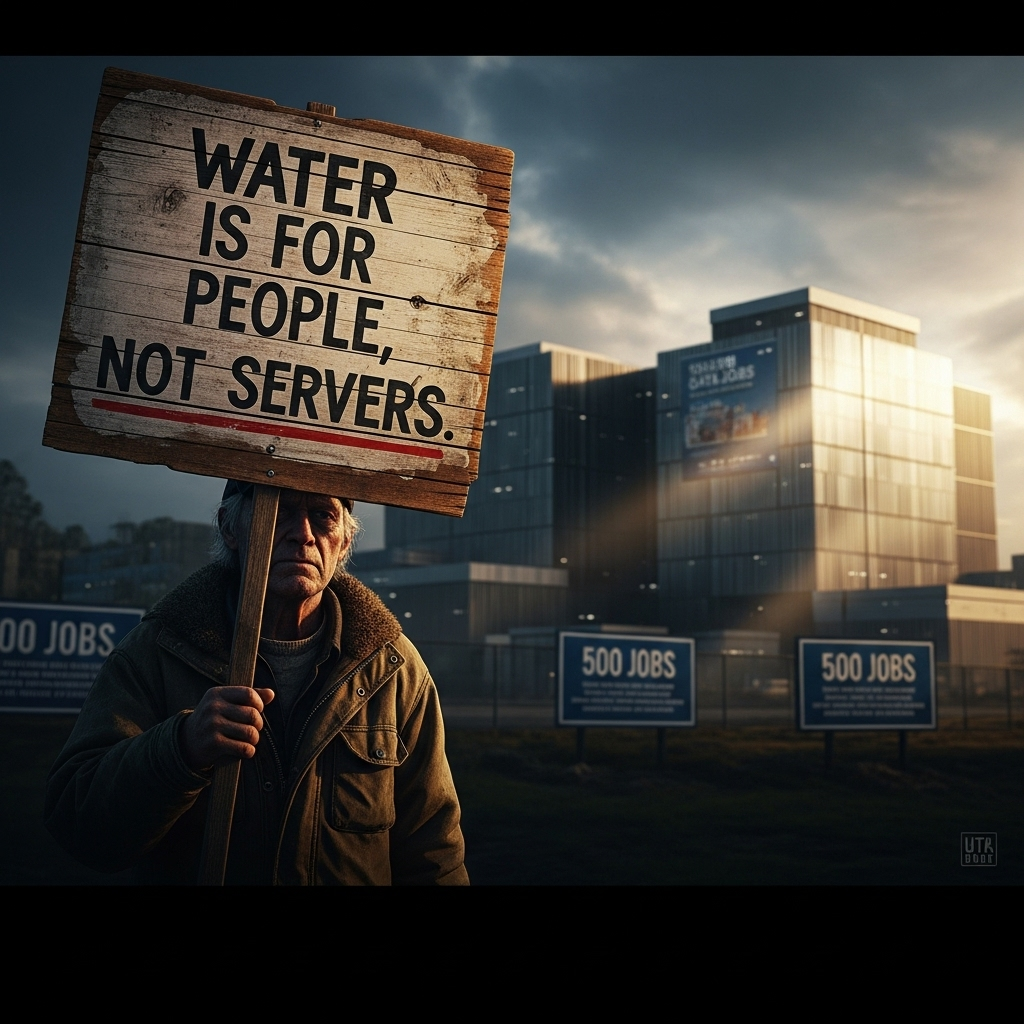
The Heart of the Pushback: Environmental and Community Concerns
While the economic argument is compelling, a growing chorus of residents and environmental groups are voicing strong opposition. Their primary concern centers on the project’s colossal environmental footprint, particularly its demand for water and electricity.
Data centers are notoriously thirsty. They use millions of gallons of water per day for evaporative cooling towers to keep the servers from frying. Critics worry this will strain local water resources, especially during periods of drought, potentially impacting residential supply and local ecosystems. “The promise of 500 jobs cannot come at the cost of our water security,” argued a spokesperson for a local citizens’ group.
Energy consumption is the other major flashpoint. The campus is projected to require as much electricity as a small city. Much of North Carolina’s power is still generated from fossil fuels, and opponents argue that adding such a massive, constant energy load works directly against state and federal goals for carbon reduction. They are demanding that the developer commit to powering the facility with 100% renewable energy, a commitment that can be difficult and costly to fulfill. For more information on this topic, see the EPA’s report on data center energy use.
Beyond resource consumption, residents are concerned about noise pollution from the constant hum of cooling fans and backup generators, as well as the transformation of rural or semi-rural land into a massive industrial zone.
Navigating the Regulatory and Political Landscape
The project’s fate now rests in the hands of local zoning boards, county commissions, and state regulators. QTS is currently navigating a complex series of public hearings and permit applications required for a project of this scale. These meetings have become a battleground, with company representatives presenting data on economic benefits while residents line up to voice their fears about environmental degradation.
The developer has been offered a significant incentive package from the state, which is contingent on meeting investment and job-creation targets, including the 500 permanent jobs. This puts local officials in a difficult position: turning down the project means turning down a guaranteed economic boom, but approving it means potentially ignoring the legitimate concerns of their constituents.
To mitigate concerns, QTS has stated it will explore using reclaimed water and invest in high-efficiency cooling technologies. However, many residents remain skeptical, demanding more concrete, legally binding commitments before any approvals are granted. The political maneuvering is intense, as elected officials weigh the long-term tax revenue and job growth against the immediate and vocal pushback from the community.
Is the Trade-Off Worth It?
The debate over North Carolina’s $6.4 billion data center plan is a microcosm of a global conversation. How do we balance the insatiable demand for digital infrastructure with the finite resources of our planet? The promise of 500 jobs and a massive boost to the local tax base is a powerful incentive that no community can easily dismiss.
Yet, the concerns about water, energy, and land use are equally valid. The decision-makers are tasked with an unenviable challenge: to look past the impressive numbers and assess the true, long-term cost of the project. The outcome will not only determine the future of one North Carolina community but will also set a precedent for how other regions handle the inevitable arrival of more massive data centers.
Ultimately, the question is whether mitigation strategies can truly offset the environmental impact, or if the price for progress is simply too high. For the residents of central North Carolina, the answer will shape their community for generations to come.