NC town debates $6.4B data center and its 500 jobs
A monumental $6.4 billion proposal to build a sprawling data center campus has divided a small North Carolina community, pitting the promise of economic prosperity against deep-seated environmental and quality-of-life concerns.
The Promise: A Generational Economic Opportunity
On the surface, the offer is staggering. A tech giant, whose name is currently shielded by a non-disclosure agreement under the project name “Project Bluebird,” wants to invest $6.4 billion to construct a state-of-the-art data center campus. For this small NC town, a community that has seen its share of economic ups and downs, the proposal feels like a lottery ticket.
Proponents, including many local business leaders and elected officials, point to the immediate and long-term benefits. The headline figure is the creation of 500 new, full-time jobs. These aren’t just any jobs; they are expected to be high-paying tech and operational positions with an average salary significantly above the county’s median income. This influx of skilled labor could revitalize the local economy, drawing in new families and talent.
Beyond direct employment, the project promises a massive boost to the local tax base. The increased property tax revenue could fund much-needed public services, including:
- Improvements to local schools
- Upgrades for roads and infrastructure
- Enhanced funding for police, fire, and emergency services
“This is a transformational project,” one city council member stated during a recent public hearing. “We’re talking about securing our town’s financial future for decades to come. The opportunities for our children and grandchildren are immense.”
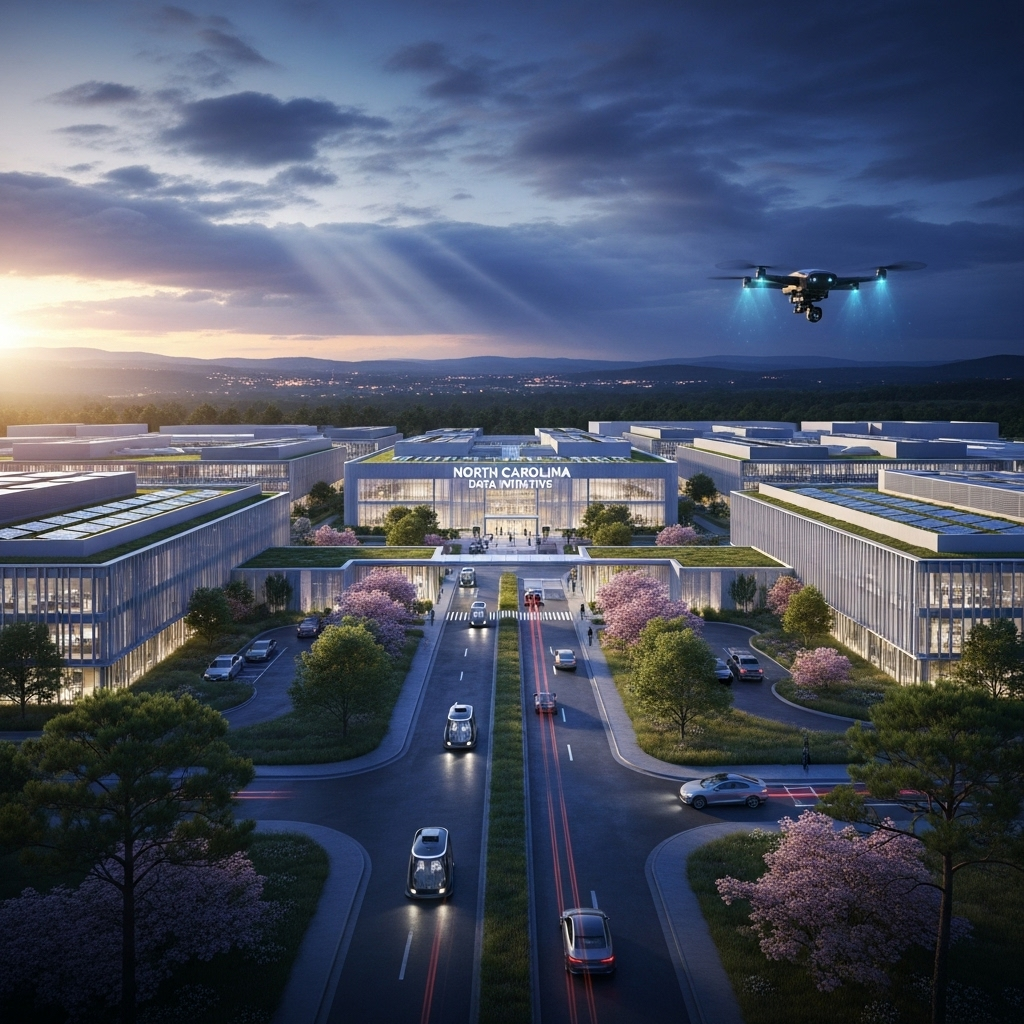
A Closer Look at the Concerns of this NC Town
Despite the glittering promises, a significant and vocal portion of the community remains deeply skeptical. For many residents, the identity of this NC town is tied to its quiet, rural character—a character they fear will be irrevocably lost. The opposition isn’t a simple “not in my backyard” sentiment; it’s rooted in practical and existential questions about the project’s true cost.
A primary concern revolves around the jobs themselves. Skeptics question how many of the 500 positions will genuinely be filled by current residents. They worry that the highly specialized roles will be taken by people moving into the area, driving up housing costs and pricing out long-time community members. “They promise 500 jobs,” a lifelong resident said, “but are they our jobs? Or are we just trading our quiet way of life to become a bedroom community for a tech campus?”
Furthermore, the scale of the construction is a major point of contention. The multi-year build-out would mean constant noise, heavy truck traffic on rural roads not designed for it, and a fundamental change to the landscape. Residents living near the proposed site are worried about the constant hum of cooling fans once the facility is operational, a phenomenon known to plague communities near other large-scale data centers.
The central fear is that the town is being asked to sacrifice its identity and tranquility for benefits that may primarily enrich an outside corporation and a small number of new residents, leaving the existing community to deal with the consequences.
The Environmental Equation: Power, Water, and Noise
The most pointed criticisms of the proposal are aimed at its environmental footprint. Data centers are notoriously resource-intensive, often described as “energy hogs,” and Project Bluebird is no exception.
The facility would require a colossal amount of electricity, potentially straining the local power grid and necessitating the construction of new, high-voltage transmission lines. This raises questions about energy sources and whether the project aligns with broader sustainability goals. An external analysis from Data Center Dynamics highlights that facilities of this magnitude can consume as much electricity as a small city.
Water usage is another critical flashpoint. Data centers use vast quantities of water for their cooling systems. In a region that can be susceptible to drought, diverting millions of gallons of water per day for a single industrial user is a major concern. Opponents are demanding a transparent and independent review of the project’s impact on the local aquifer and water supply. “Water is our most precious resource,” argued a local farmer. “We can’t just give it away.”
Finally, the issue of noise pollution is paramount. The constant, low-frequency hum from thousands of industrial-scale cooling fans running 24/7 can be a significant nuisance, impacting both property values and the mental well-being of nearby residents. The developer has promised noise mitigation technologies, but the community is demanding firm, enforceable limits on decibel levels.

The Path Forward: A Community at a Crossroads
The debate in this NC town is far from over. The town’s planning and zoning board is scheduled to hold several more public hearings before making a recommendation to the city council, which will cast the final vote on rezoning the agricultural land for industrial use.
Citizen groups have organized, hiring legal and environmental experts to scrutinize the developer’s proposals. They are demanding more transparency, including the release of environmental impact studies, traffic analyses, and a detailed community benefits agreement. This agreement would legally bind the developer to specific commitments regarding local hiring, infrastructure contributions, and environmental protections.
The decision facing this community is a microcosm of a challenge seen across the country: how to balance economic development with the preservation of community character and environmental health. The $6.4 billion question is whether this small NC town can find a way to welcome progress without losing its soul. The coming weeks will be critical in determining the future landscape—and soundscape—of this corner of North Carolina.
For more updates on local developments, you can follow our NC Local News section.

“`