
More people survive cancer: 7 lessons from Europe for NHS
Across Europe, incredible strides are being made in the fight against cancer, leading to a reality where more people are not just surviving, but thriving after their diagnosis. While the UK’s National Health Service (NHS) is a world-renowned institution, survival rates for several common cancers lag behind European neighbours like Denmark, Norway, and Germany. This gap isn’t a sign of failure but an opportunity for learning and adaptation. By examining the strategies that are successfully helping more people beat cancer across the continent, the NHS can chart a course towards a future with better outcomes for all. This article explores seven crucial lessons from Europe that could transform cancer care in the UK.
Lesson 1: Aggressive Prioritisation of Early Diagnosis
The single most impactful factor in cancer survival is early diagnosis. Countries with the best outcomes have embedded this principle into their healthcare philosophy. Germany, for instance, has a highly structured system of statutory cancer screening programmes that achieve high uptake rates. Similarly, Denmark’s national cancer plans have relentlessly focused on public awareness campaigns encouraging people to recognise symptoms and see a doctor sooner.
The lesson for the NHS is to double down on and expand its screening programmes. This means not only funding for bowel, breast, and cervical screening but also piloting new methods, such as lung cancer screening for high-risk individuals and exploring innovative blood tests for early detection. The goal is to create a culture where screening is not just available but actively and effectively promoted, ensuring more people are diagnosed at stage 1 or 2, when treatment is most effective.
Lesson 2: Streamlined and Rapid Referral Pathways
Once a GP suspects cancer, time is of the essence. Many top-performing European health systems have standardised “fast-track” referral pathways that cut down waiting times between a GP visit, diagnostic tests, and the first treatment. In Norway, “Cancer Patient Pathways” provide a national standard for how long each step should take, giving patients clarity and holding the system accountable.
While the NHS has its own two-week wait target, bottlenecks in diagnostics often cause significant delays. Adopting a more rigid, nationally enforced pathway system, backed by investment in diagnostic capacity (radiographers, endoscopists, and equipment), could drastically reduce the “anxious wait” and get more people into treatment faster, directly improving their chances of survival.
Lesson 3: Consistent Investment in Advanced Technology
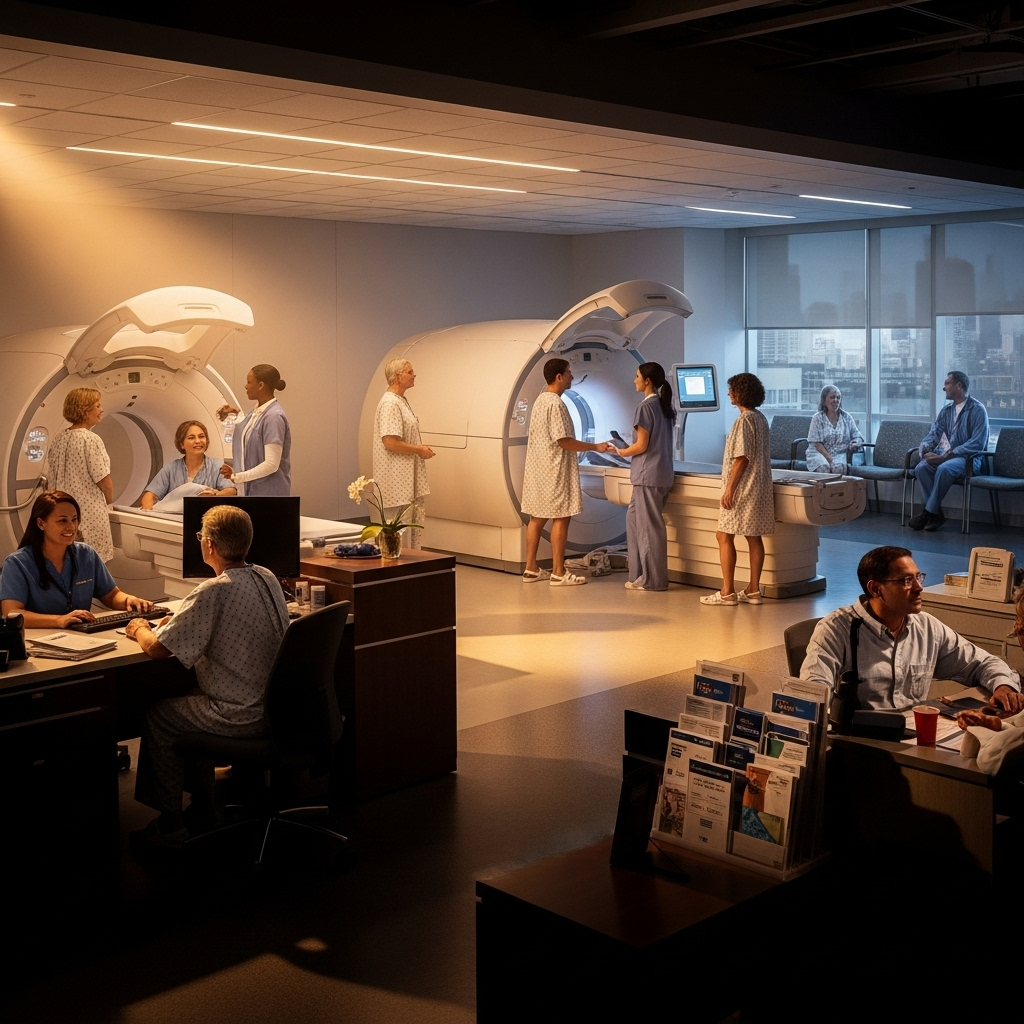
From cutting-edge radiotherapy machines to the latest immunotherapy drugs, access to modern technology is a clear differentiator in cancer outcomes. Nations like the Netherlands and Austria have demonstrated a strong commitment to funding and quickly adopting innovative treatments and diagnostic tools. This includes wider access to genomic testing, which allows for personalised medicine tailored to a patient’s specific tumour type.
The NHS must ensure equitable access to state-of-the-art technology across the entire country, eliminating the “postcode lottery” for treatment. A more agile and better-funded approval process, perhaps learning from Germany’s Federal Joint Committee (G-BA), could accelerate the adoption of proven technologies and treatments, giving NHS doctors the best tools to help their patients.
Lesson 4: Building a Resilient, Specialised Workforce
You can have the best technology in the world, but it’s useless without the highly trained staff to operate it. Leading European cancer centres are magnets for top talent because they invest in their oncology workforce. This means more training places for oncologists, radiologists, and specialist cancer nurses, as well as competitive salaries and clear career progression paths to aid retention.
Addressing the current staffing crisis within the NHS is paramount. A long-term, fully-funded workforce plan focused specifically on cancer care is essential. Learning from French and Spanish models of specialist training and retention could ensure that the NHS has the expert staff required to deliver complex care, ultimately allowing for more people to receive timely and expert treatment.

Lesson 5: Fostering Cross-Border Research and Collaboration
No country can solve cancer alone. The European Reference Networks (ERNs) are a prime example of collaborative success, particularly for rare cancers. These virtual networks allow specialists across Europe to share expertise, discuss complex cases, and pool data. This means a patient in a small town can benefit from the knowledge of a leading expert hundreds of miles away.
While the UK continues to be a research powerhouse, strengthening formal collaborations with European networks and institutions can accelerate progress. Sharing data and best practices is not a zero-sum game; it creates a tide that lifts all boats, driving innovation that ensures more people survive complex and rare cancers globally.
Lesson 6: Empowering More People Through Health Literacy
A key strategy in countries with high survival rates is an empowered patient population. Health literacy—a person’s ability to find, understand, and use information to make health-related decisions—is crucial. European public health campaigns often focus not just on symptoms but on navigating the healthcare system, understanding treatment options, and the importance of lifestyle factors in prevention and recovery.
The NHS could launch sustained, nationwide campaigns to boost health literacy. This would empower more people to advocate for themselves, engage in shared decision-making with their doctors, and better manage their health post-treatment. An informed patient is a more engaged patient, leading to better adherence to treatment and improved long-term outcomes.
Lesson 7: Integrating Holistic Patient Support from Day One
Leading cancer care is about treating the person, not just the disease. Many European models, particularly in Scandinavia, integrate psychological, nutritional, and rehabilitative support into the cancer pathway from the moment of diagnosis. This “survivorship” care plan helps patients and their families cope with the immense physical and emotional toll of cancer.
This holistic approach reduces the long-term impact of treatment and improves quality of life. The NHS can work to make services like psycho-oncology, physiotherapy, and dietary advice a standard, accessible part of every patient’s cancer journey, not an optional extra. Supporting the whole person ensures that as more people survive cancer, they are also able to live full and healthy lives.

The Path Forward: A Commitment to Improvement
The success seen across Europe is not due to a single “magic bullet” but a combination of political will, strategic investment, and a relentless focus on improving every stage of the cancer pathway. The NHS is filled with dedicated, brilliant professionals, but they are often constrained by a system under immense pressure.
By embracing these seven lessons—from aggressive early diagnosis and streamlined pathways to workforce investment and holistic support—the UK can begin to close the survival gap. It requires a long-term, cross-party commitment to modernise and invest in cancer services. The evidence is clear: the right strategies can and do lead to a world where more people face a cancer diagnosis not with fear, but with a confident hope for the future. The time to learn and act is now.


