
More Rights Rejected: HK Lawmakers Block 10+ Proposals
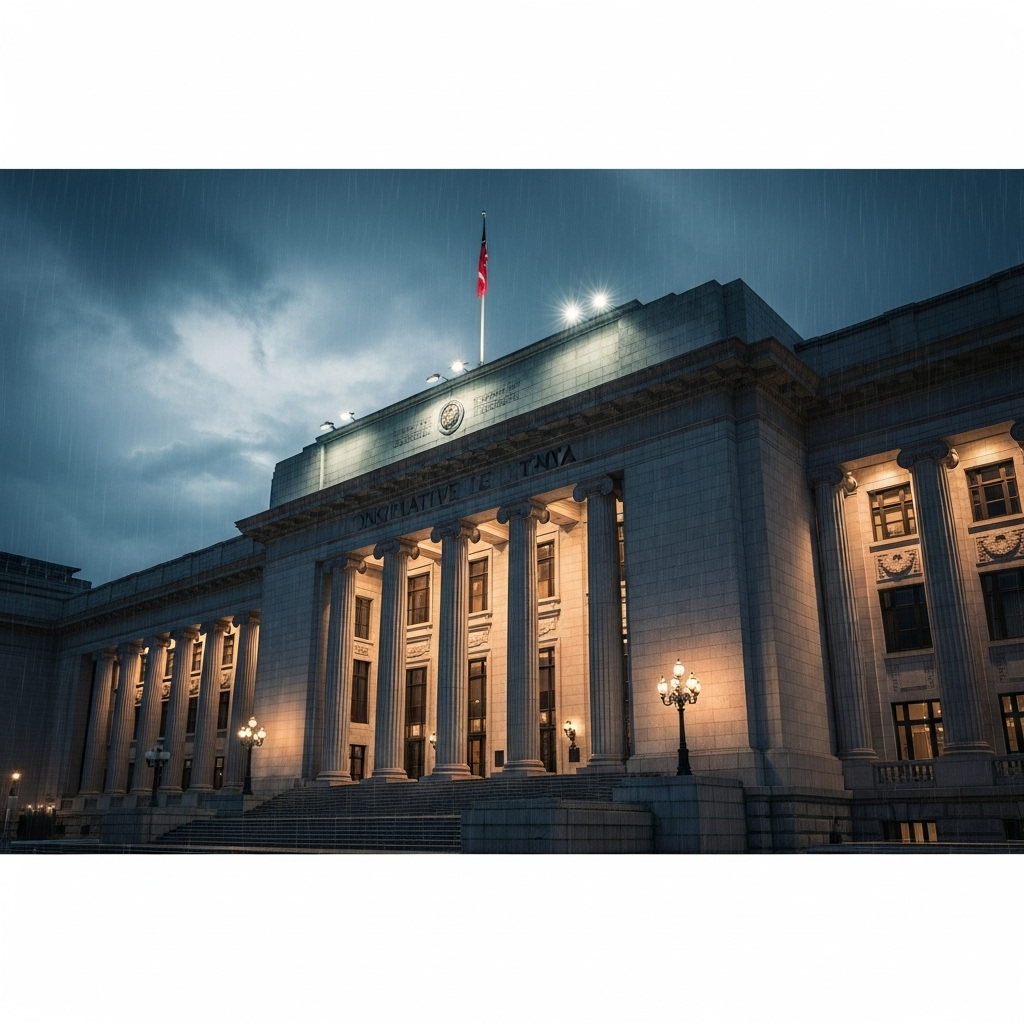
In a decisive legislative session on Tuesday, Hong Kong’s Legislative Council (LegCo) rejected a series of more than ten private members’ bills and motions aimed at granting more rights and protections to its citizens. The proposals, spanning issues from labor and LGBTQ+ protections to press freedom, were overwhelmingly voted down by the pro-establishment majority, sparking renewed concerns over the city’s shrinking civic space.
What Proposals Were Rejected?
The rejected proposals represented a broad push for expanded civil liberties and social protections. While the full list is extensive, several key motions highlight the scope of the debate. Pro-democracy and independent lawmakers had put forward bills that sought to introduce:
- Standard Working Hours: A long-debated proposal to legislate standard working hours to combat the city’s notorious overwork culture.
- Anti-Discrimination Laws for Sexual Minorities: A motion to begin public consultation on comprehensive laws to protect the LGBTQ+ community from discrimination in employment, housing, and services.
- Collective Bargaining Rights: A bill to grant trade unions the legal right to collective bargaining on behalf of workers, a right that is currently limited.
- Press Freedom Protections: A motion urging the government to safeguard press freedom and review laws that critics say are used to stifle reporting.
- Climate Change Targets: A proposal to legislate more aggressive carbon neutrality targets and create an independent body to oversee climate action.
Each of these proposals was intended to provide more rights and a stronger legal framework for different segments of the Hong Kong population. Their collective failure marks a significant setback for various advocacy groups who have been campaigning on these issues for years.
Justification and Opposition: Why Lawmakers Said No
The pro-establishment camp, which holds a commanding majority in the legislature following recent electoral reforms, argued against the proposals on several grounds. A primary justification cited was the need to maintain economic stability and business competitiveness. Opponents of the standard working hours bill, for example, claimed it would impose excessive costs on small and medium-sized enterprises, potentially leading to business closures and unemployment.
Another common theme was the assertion that such proposals could “sow social division” or “politicize” issues. Regarding the push for more rights for the LGBTQ+ community, some lawmakers stated that the topic was too “controversial” for legislation and should be left to societal evolution. “We must build consensus, not force through divisive laws that could destabilize our community,” one prominent pro-Beijing lawmaker was quoted as saying.
Furthermore, many of the motions were dismissed for not aligning with the central government’s priorities for Hong Kong, which are currently focused on national security and economic integration with mainland China. Critics, however, see this as a pretext to deny citizens protections available in many other international financial centers. You can learn more about the global standards for human rights from organizations like Human Rights Watch.
The Political Climate Behind the Votes
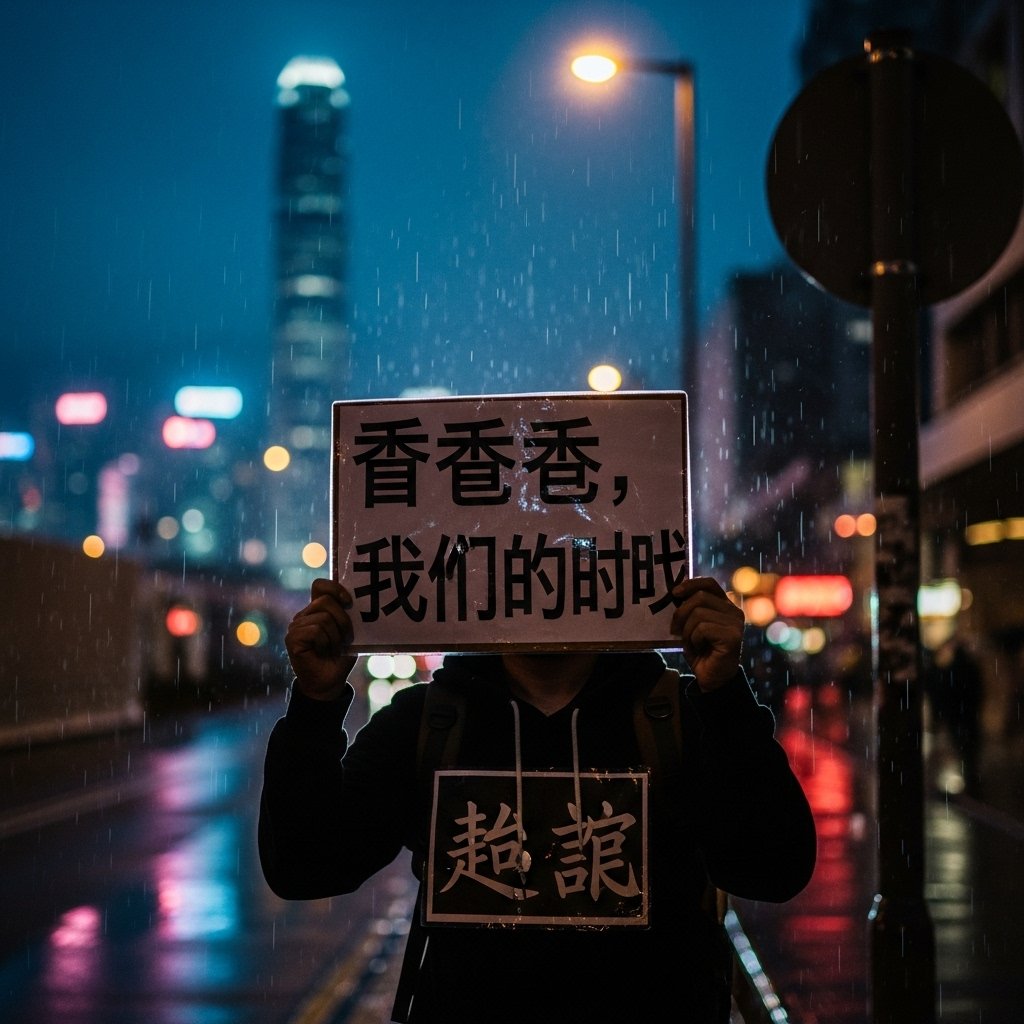
This legislative outcome cannot be understood outside the context of Hong Kong’s transformed political landscape. Since the implementation of the National Security Law and the “patriots-only” electoral overhaul, the composition and function of the Legislative Council have fundamentally changed. The space for opposition and dissent within the chamber has been virtually eliminated, making it nearly impossible for private members’ bills that challenge the government’s agenda to pass.
These rejections are seen by many as a clear demonstration of the current political reality. Activists and political analysts argue that the legislature no longer serves as a forum for genuine public debate but rather as a rubber stamp for the executive branch and Beijing’s agenda. The consistent blocking of bills aimed at providing more rights reinforces the narrative that social and political progress has taken a backseat to security and control. For a deeper dive into the legislative changes, see our previous analysis on Hong Kong’s electoral system overhaul.
Strong opposition from the business sector also played a crucial role. Powerful business chambers have long lobbied against labor-focused legislation, and their influence within the pro-establishment camp remains significant. The rejection of collective bargaining and standard working hours is a clear victory for these interest groups.
What’s Next for the Push for More Rights in Hong Kong?
With legislative avenues effectively closed for the time being, the path forward for those advocating for more rights in Hong Kong is uncertain. The traditional methods of lobbying lawmakers and introducing bills have proven futile in the current environment.
Advocacy groups are now likely to shift their focus. Some may turn to the courts, attempting to advance rights through strategic litigation, though this is a slow and costly process with no guarantee of success. Others will concentrate on grassroots community building and public education, hoping to keep these issues alive in the public consciousness for a time when the political climate may be more favorable. International pressure also remains a key strategy, with groups continuing to appeal to the United Nations and foreign governments to hold Hong Kong accountable to its international commitments, such as the International Covenant on Civil and Political Rights.
However, the risks for activists are higher than ever. The broad wording of the National Security Law has created a chilling effect, making many hesitant to engage in advocacy that could be perceived as challenging the authorities. The future of the push for more rights will depend on the resilience and creativity of civil society in navigating these new and formidable challenges.

In conclusion, the rejection of over ten proposals in LegCo is a stark reminder of the current political trajectory of Hong Kong. The session has solidified the government’s stance against expanding many civil and social protections, prioritizing security and economic alignment over calls from a segment of its population for more rights. For the foreseeable future, the struggle for these rights will move away from the legislative chamber and into less visible, more challenging arenas.
“`


