Novo Nordisk: Employees Must Return to Office Jan. 1
In a decisive move that signals a major shift in post-pandemic work culture, pharmaceutical giant Novo Nordisk has announced a mandatory return-to-office policy for its corporate employees, effective January 1, 2025. The company, which has experienced explosive growth fueled by the success of its drugs Ozempic and Wegovy, is calling an end to its flexible hybrid model, requiring most staff to be physically present in the office at least three days a week. This decision places the Danish firm at the forefront of a growing corporate trend prioritizing in-person collaboration over remote flexibility.
Article Contents
The New Mandate: What’s Changing at Novo Nordisk?
The new policy marks a significant departure from the hybrid approach that many Novo Nordisk employees have grown accustomed to over the past few years. According to an internal memo circulated this week, the company is standardizing its approach to “foster the collaboration, innovation, and strong cultural bonds that are essential for our next phase of growth.”
While specific requirements may vary by department and role, the baseline expectation is a minimum of three days of in-office presence. This move aligns the company with other major corporations like Amazon and JPMorgan Chase, which have also implemented similar mandates. Company leadership emphasized that the decision was not made lightly but is seen as a crucial step to maintain momentum and integrate a rapidly expanding workforce.
“Our culture of innovation has always been rooted in spontaneous conversations, whiteboard sessions, and the mentorship that happens organically when we are together,” a company spokesperson stated. “As we scale, we need to ensure our new colleagues are fully immersed in the Novo Nordisk way of working, and we believe a structured in-office presence is the most effective way to achieve this.”
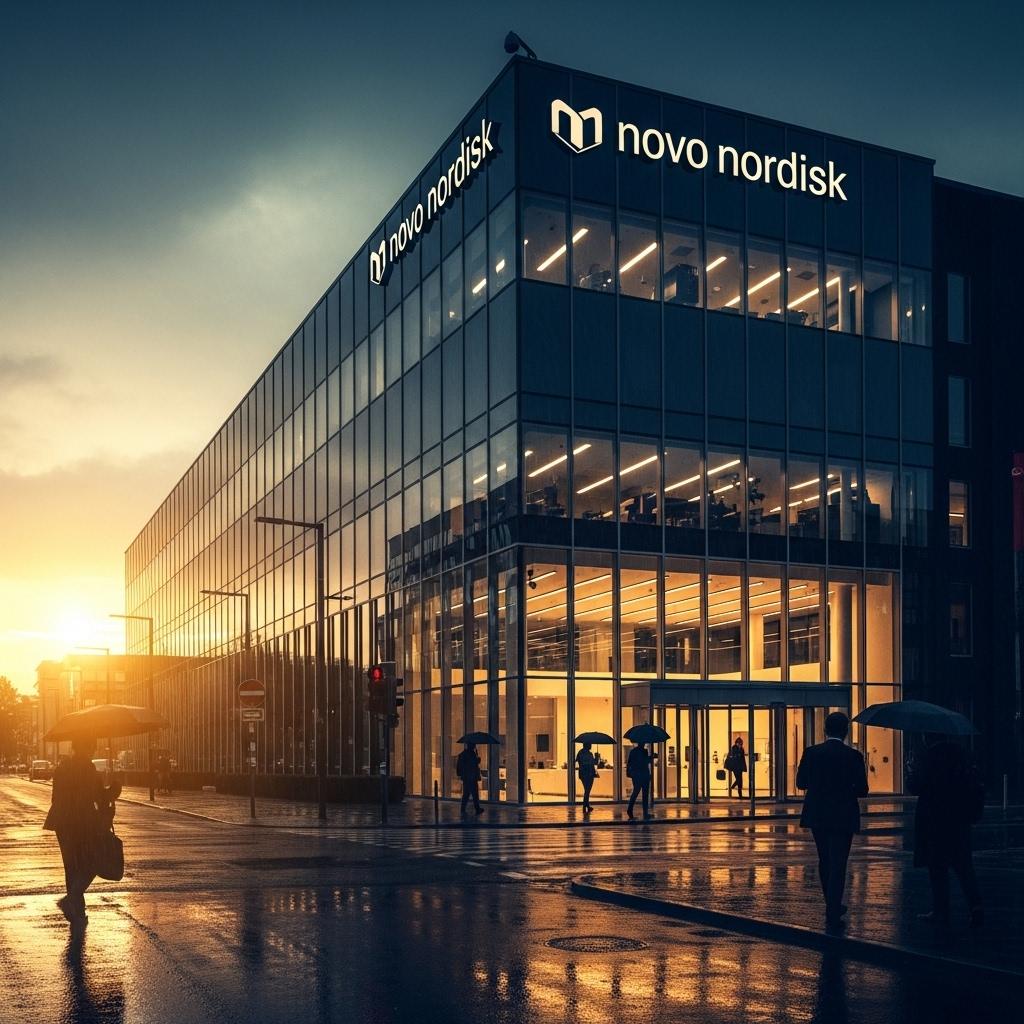
Employee Reactions and the Broader Industry Context
The announcement has been met with a predictable mix of reactions from employees. On internal forums and professional networks, some have expressed frustration over the loss of flexibility, citing benefits like improved work-life balance and time saved on commuting. For employees who were hired remotely or who have relocated based on a flexible work assumption, the news is particularly disruptive.
“It feels like a step backward,” one anonymous employee commented on a professional forum. “We’ve proven for years that we can be incredibly productive and successful while working remotely. This feels like a top-down decision that discounts our autonomy and the modern realities of work.”
However, others have welcomed the news. Some employees, particularly those earlier in their careers, have expressed a desire for more face-to-face interaction, mentorship, and a clearer separation between home and work. They feel that a more structured office environment will enhance team cohesion and provide valuable learning opportunities that are harder to replicate online. The move by Novo Nordisk is not happening in a vacuum; it’s part of a larger corporate reckoning with the future of work, as detailed in reports from outlets like the Harvard Business Review.
Why Now? Unpacking the Strategy Behind Novo Nordisk’s RTO Push
The timing of this mandate is no coincidence. Novo Nordisk is navigating a period of unprecedented expansion. The global demand for its GLP-1 agonists, Ozempic and Wegovy, has turned it into Europe’s most valuable company. This meteoric rise has led to a massive hiring spree and significant investments in new research and manufacturing facilities.
From a strategic standpoint, a return-to-office mandate serves several key purposes for the company:
- Managing Hyper-Growth: Integrating thousands of new employees into the company culture is a monumental task. Leadership likely believes that in-person onboarding and work are critical for instilling corporate values and ensuring operational consistency.
- Protecting Innovation and IP: As a pharmaceutical leader, Novo Nordisk deals with highly sensitive intellectual property. A more controlled, in-office environment can be perceived as more secure and conducive to the collaborative, high-stakes nature of drug development.
- Justifying Real Estate Investments: Like many large corporations, the company has significant investments in state-of-the-art office campuses. A return-to-office policy ensures these expensive assets are utilized, fostering the “campus culture” they were designed for.
The push is a calculated move to harness the company’s current momentum and build a more unified, integrated workforce capable of sustaining its market leadership. The focus is on ensuring that the rapid scaling doesn’t dilute the very culture that enabled its success.

The High-Stakes Gamble on Talent and Recruitment
While the strategic rationale инфекционист clear, mandating a return to office is a significant gamble in today’s competitive talent market. Many skilled professionals now consider remote or hybrid options a non-negotiable job perk. By enforcing a stricter policy, Novo Nordisk risks losing valuable existing employees who may seek more flexible arrangements elsewhere. It could also narrow its recruitment pool, making it harder to attract top talent from outside its physical office locations.
On the other hand, the company may be making a deliberate choice to cultivate a specific type of workforce. By being upfront about its in-office expectations, Novo Nordisk will attract candidates who thrive in a traditional office setting and are eager for in-person collaboration. This could, in the long run, create a more culturally aligned and cohesive organization.
The company will need to carefully manage this transition, potentially offering other incentives to offset the loss of flexibility, such as enhanced in-office amenities, commuter benefits, and robust professional development programs. This policy is a clear signal about the company’s values, and it will be a defining factor for employee retention and attraction in the years to come.
Looking Ahead: A Bet on In-Person Innovation
The decision by Novo Nordisk to mandate a return to the office is more than just a logistical change; it’s a bold statement about its vision for the future. The company is betting that the synergy, speed, and creativity unlocked by in-person collaboration will be the engine that drives its next wave of breakthroughs. In an industry where a single discovery can change the world—and a company’s fortunes—fostering an environment ripe for “watercooler moments” is seen as a competitive advantage.
As the January 1st deadline approaches, all eyes will be on the pharmaceutical giant. The success of this transition will be measured not just in productivity metrics, but in employee morale, retention rates, and, ultimately, the company’s ability to maintain its innovative edge. Novo Nordisk is doubling down on the power of physical presence, a move that will undoubtedly serve as a major case study for the future of work in a post-pandemic world.