
Pension Queue Struck: 23 Killed in Ukraine by Russia
ZAPORIZHZHIA, UKRAINE – A horrific missile strike decimated a line of elderly civilians, killing at least 23 people and injuring dozens more as they waited in a pension queue outside a government services building. The attack, which Ukrainian officials have attributed to Russian forces, occurred early Tuesday morning in a residential district far from any known military installations. This brutal assault on vulnerable citizens highlights the devastating human cost of the ongoing conflict and has drawn swift international condemnation.
Article Contents
The Attack: A Morning of Terror
Eyewitnesses described a scene of chaos and carnage. The missile struck at approximately 9:15 AM local time, a period when the line for pension collection is typically at its longest. Survivors recounted a sudden, deafening explosion that sent shrapnel and debris flying through the air. The initial blast wave shattered windows in nearby apartment blocks and set several cars ablaze.
“One moment, we were talking about our grandchildren, and the next, there was just fire and screaming,” said Olena, a 72-year-old survivor who sustained shrapnel wounds to her leg. “People I have known for years… they were just gone.” Emergency services arrived within minutes, but the scale of the devastation was overwhelming. First responders were met with a gruesome scene, working tirelessly to treat the wounded and recover the deceased.
Ukrainian authorities have identified the munition as a Russian-made Iskander ballistic missile, a weapon known for its destructive power. The deliberate targeting of a civilian gathering, especially one composed primarily of senior citizens, has been labeled a war crime by the regional governor. “This is not a military operation; this is state-sponsored terrorism,” he stated in a press briefing. “There is no justification for striking a pension queue.”
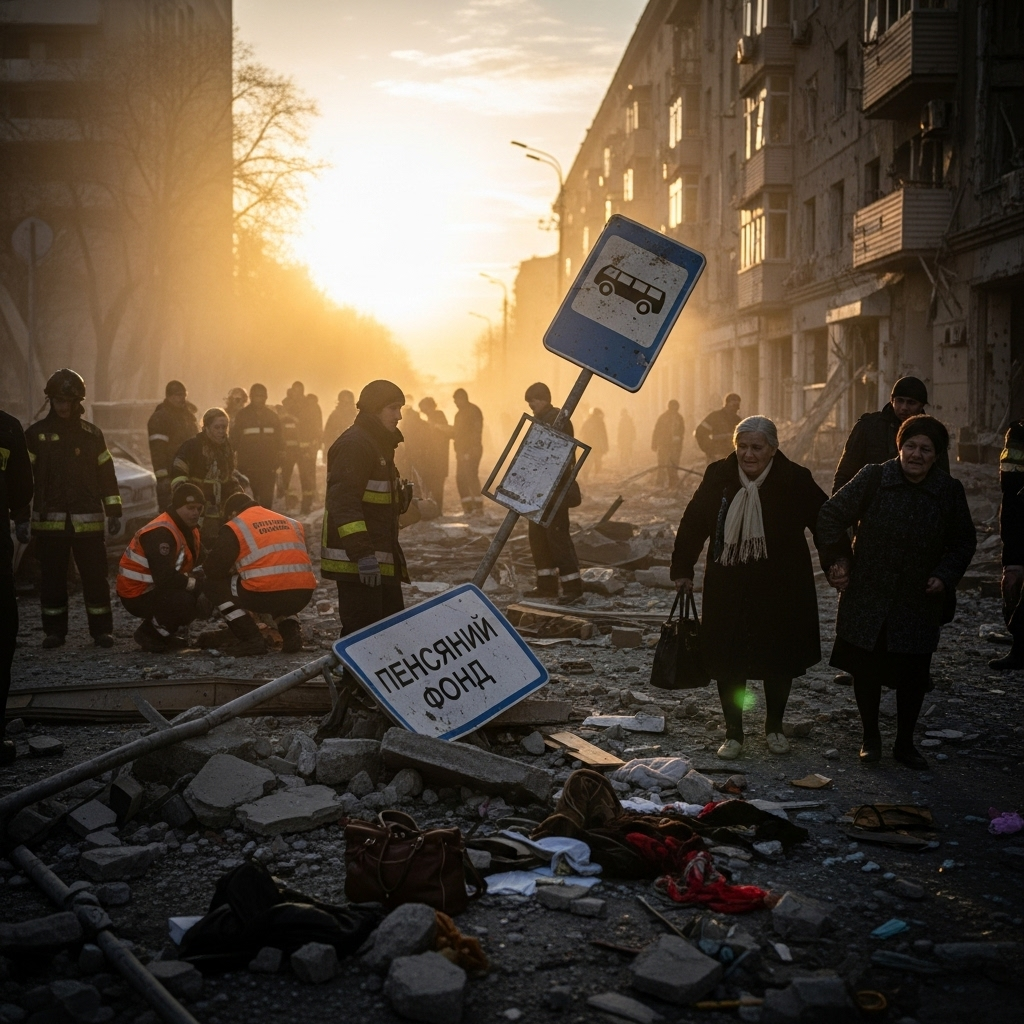
The Tragic Reality of the Pension Queue
For millions of elderly Ukrainians, the state pension is their only source of income. The war has exacerbated economic hardship, making these small but vital payments a lifeline. With banking systems disrupted and many unable to use digital services, physical collection points have become essential. The pension queue is a symbol of both resilience and vulnerability—a place where seniors gather not just for money, but for a sense of community and normalcy amidst the chaos of war.
These queues often form hours before the offices open, with men and women, many in their 70s and 80s, waiting patiently for the funds needed to buy food, medicine, and other basic necessities. This dependency makes them a predictable and soft target. Analysts suggest that attacking such civilian infrastructure and gatherings is a tactic intended to demoralize the population and sow terror.
The attack on the Zaporizhzhia pension queue is not an isolated incident. Throughout the conflict, civilian infrastructure has been repeatedly targeted. However, the blatant nature of this strike—hitting a known, static line of elderly individuals—has caused a particular wave of outrage. It underscores a brutal disregard for the laws of armed conflict, which explicitly protect non-combatants. Read more in our Eastern Europe section for further analysis on the conflict’s impact on civilians.
International Response and Calls for Justice
The global community reacted with horror and fury to the news. Leaders from North America and the European Union swiftly condemned the attack. The U.S. State Department called the strike “unconscionable” and pledged continued support for Ukraine’s defense. A spokesperson for the EU’s foreign policy chief described it as a “barbaric act” and called for those responsible to be held accountable at the International Criminal Court.
Human rights organizations have already begun documenting the event. An investigator from the UN Human Rights Office (OHCHR) stated, “Targeting civilians is a grave breach of international humanitarian law. We are gathering evidence to ensure that justice is pursued for the victims of this heinous attack.” Calls are mounting for increased sanctions against Russia and for more advanced defensive systems to be provided to Ukraine to protect its cities.
The Kremlin has denied responsibility, issuing a statement that its forces “do not target civilian infrastructure” and suggesting the incident was a “provocation” by Ukrainian forces. This denial follows a familiar pattern seen after previous attacks on civilian sites, as detailed in our previous reports on Russian disinformation.

A Deepening Humanitarian Crisis
This tragedy serves as a stark reminder of the broader humanitarian crisis unfolding in Ukraine. The nation’s elderly population has been disproportionately affected by the war. Many are less mobile, have chronic health conditions, and are unable or unwilling to flee their homes. They are often left behind in active conflict zones, facing constant danger and immense psychological stress.
The destruction of the pension queue not only resulted in a tragic loss of life but also instills a new layer of fear. Now, the simple act of collecting a pension—a necessity for survival—is fraught with mortal danger. Aid organizations are scrambling to find safer ways to distribute aid and funds, but the logistical challenges in a war zone are immense.
As winter approaches, the situation for vulnerable populations is expected to worsen. Damaged infrastructure, power outages, and the constant threat of attack create a perilous environment. This latest atrocity demonstrates the urgent need for protected humanitarian corridors and a renewed international effort to protect the most vulnerable civilian populations caught in the crossfire.
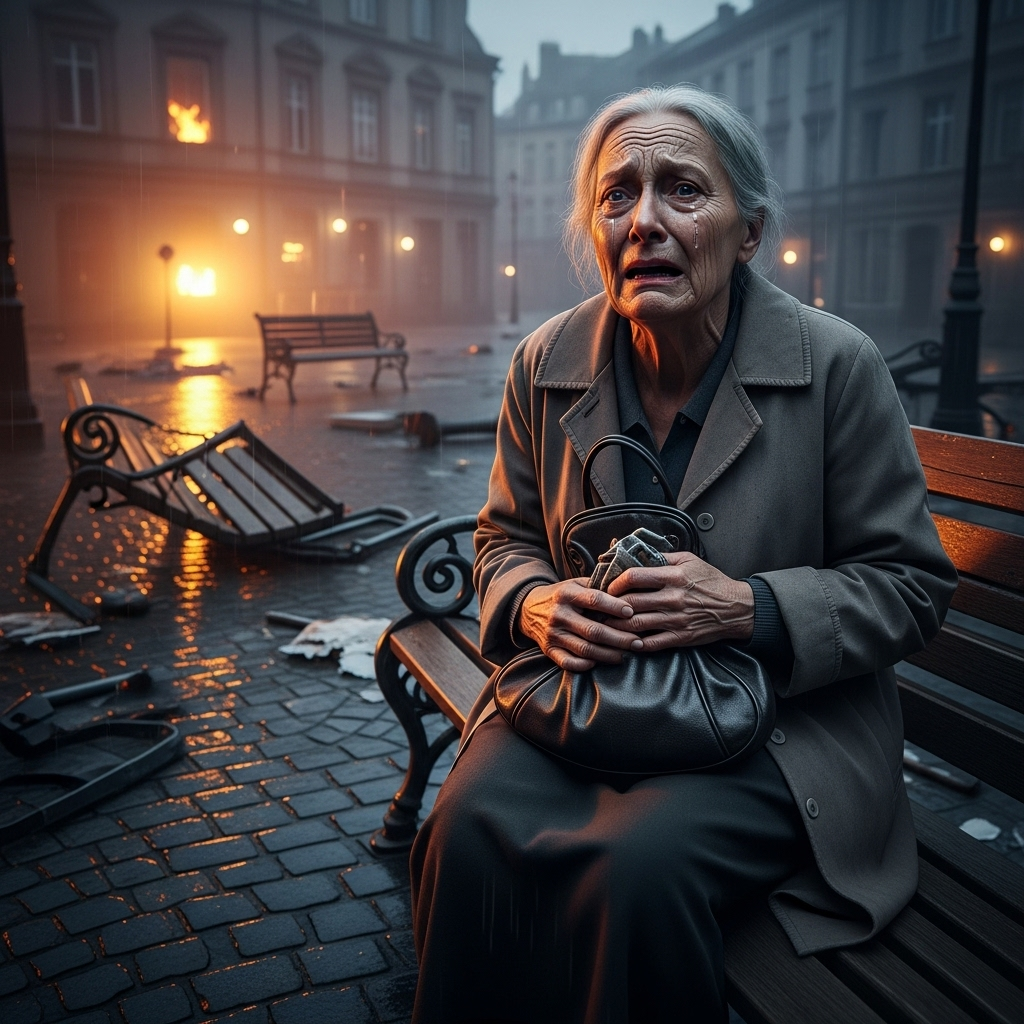
The victims in Zaporizhzhia were not soldiers; they were grandparents, neighbors, and citizens simply trying to survive. Their deaths in a pension queue are a testament to the indiscriminate cruelty of this war and a solemn call to action for the world to not look away.
“`


