
Puerto Rico: 5 Naval Units Arrive for New Cartel Fight
SAN JUAN, Puerto Rico – In a significant escalation of efforts to combat narcotrafficking, five advanced naval units have arrived in the waters surrounding the island. This deployment marks the beginning of a new, intensified phase in the fight against powerful drug cartels that have increasingly used the U.S. territory as a strategic Caribbean hub for smuggling operations into the mainland United States.
Federal officials have confirmed that the joint task force operation aims to disrupt maritime smuggling routes, dismantle trafficking networks, and seize illicit assets. The move comes in response to a recent surge in cartel-related violence and a record volume of cocaine seizures in the region, signaling a new chapter in the security strategy for Puerto Rico.
The Escalating Security Challenge in Puerto Rico
For years, law enforcement agencies have battled to control the flow of illegal narcotics through the Caribbean. However, recent intelligence suggests a concerning shift. Cartels, facing increased pressure along the U.S. southern border, have aggressively expanded their operations in Puerto Rico, exploiting its status as a U.S. territory and its thousands of miles of complex coastline.
The consequences for the island have been severe. Homicide rates linked to drug turf wars have seen a troubling increase, impacting communities far beyond the San Juan metro area. These criminal organizations not only traffic cocaine and fentanyl but also engage in money laundering, extortion, and weapons smuggling, creating a pervasive sense of insecurity.
A senior official with the Drug Enforcement Administration (DEA), speaking on the condition of anonymity, stated, “What we are witnessing is not just smuggling; it’s a direct challenge to the rule of law. These groups are becoming more brazen, and their activities pose a direct threat to public safety and economic stability.” This sentiment is echoed by local business owners who report a chilling effect on tourism and investment in certain regions.
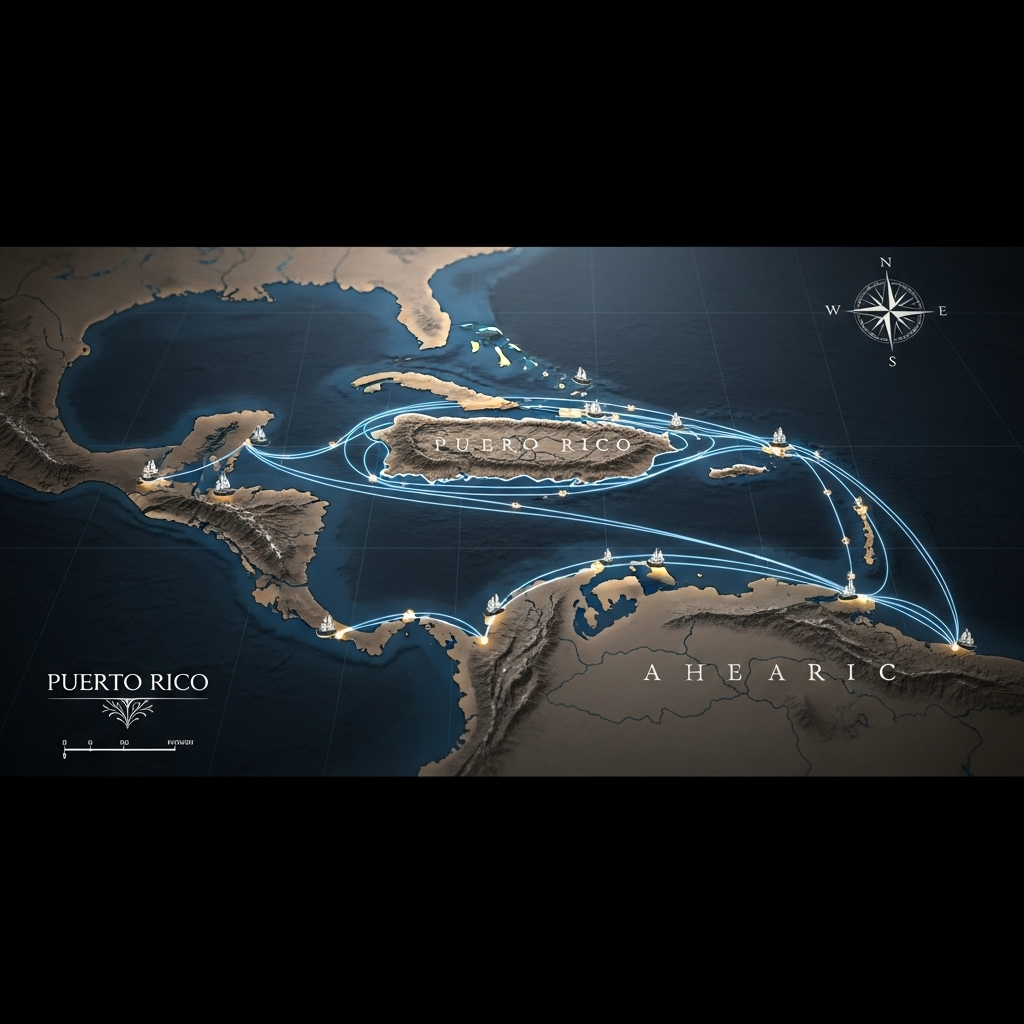
The geographical position of Puerto Rico makes it a natural, albeit high-risk, transshipment point. Shipments originating from South America can reach the island’s shores via go-fast boats and semi-submersibles. Once on the island, the narcotics are often repackaged and smuggled onto commercial flights or container ships heading to cities like Miami, New York, and Philadelphia, bypassing mainland border checks.
Details of the Naval Task Force Deployment
The newly arrived naval contingent is a core component of the Caribbean Corridor Strike Force (CCSF), a multi-agency initiative. The deployment includes:
- Two Sentinel-class Fast Response Cutters: These vessels are state-of-the-art patrol boats known for their speed and advanced surveillance capabilities, making them ideal for interdicting go-fast boats.
- Three Marine Protector-class Coastal Patrol Boats: Smaller and more agile, these boats are designed for near-shore operations, allowing them to patrol shallow waters and coves often used by smugglers to make landfall.
These units will not operate in isolation. They form a maritime shield integrated with air support from Customs and Border Protection (CBP) Air and Marine Operations. “This is about creating a layered defense,” explained a Coast Guard commander. “Our cutters will patrol the deeper waters of the Mona Passage and the Caribbean Sea, while our patrol boats and air assets create an inescapable net closer to shore.”
This operation represents a powerful collaboration between federal and local forces. The U.S. Coast Guard, DEA, FBI, and Homeland Security Investigations (HSI) will be working hand-in-hand with the Fuerzas Unidas de Rápida Acción (FURA), the specialized tactical unit of the Puerto Rico Police Bureau. For more information on similar joint operations, you can read about our Caribbean drug interdiction efforts.

The mission’s success hinges on real-time intelligence sharing. A central command center in San Juan will coordinate asset deployment based on satellite imagery, electronic intercepts, and human intelligence. The goal is not only to seize drugs but to capture smugglers and gather evidence that can be used to prosecute the entire criminal enterprise. For more on the agencies involved, visit the official Department of Homeland Security website.
A Multi-Pronged Strategy Beyond Naval Patrols
While the naval presence is the most visible aspect of this new initiative, officials emphasize it is part of a broader, multi-pronged strategy. The fight against sophisticated cartels cannot be won at sea alone. A significant component of the operation focuses on dismantling the financial infrastructure that allows these organizations to thrive.
HSI financial investigators are tasked with “following the money,” tracking illicit funds through a web of front companies, real estate transactions, and cryptocurrency exchanges. “Every kilogram of cocaine has a financial trail,” an HSI agent noted. “By seizing their assets and freezing their accounts, we cripple their ability to operate, pay their people, and purchase new equipment.”
Furthermore, the strategy includes enhanced intelligence gathering and community outreach. Federal agencies are launching a public awareness campaign in Puerto Rico, encouraging residents to report suspicious activity through anonymous tip lines. This community partnership is seen as crucial for identifying stash houses, locating key personnel, and understanding local trafficking dynamics.
The focus extends to the legal system as well. The U.S. Attorney’s Office for the District of Puerto Rico is preparing to handle an influx of complex cases, with a commitment to pursuing maximum sentences for those convicted of trafficking and related violent crimes. This sends a clear message of zero-tolerance to criminal organizations considering the island a safe haven.
What This Means for the Future of Puerto Rico
The arrival of these naval units and the implementation of this comprehensive strategy are intended to bring a new era of security to Puerto Rico. The immediate goal is to reclaim public spaces from criminal influence, reduce violent crime, and restore a sense of safety for residents.
In the long term, a more secure environment is expected to have a positive ripple effect on the island’s economy. A reduction in crime can help attract new investment, boost the vital tourism sector, and allow local businesses to operate without the threat of extortion or violence. This effort is seen as a critical step in supporting the ongoing economic recovery of Puerto Rico.
While the increased military and law enforcement presence is welcomed by many, officials are also mindful of community concerns. They have pledged to conduct operations with respect for civil liberties and to maintain open lines of communication with local leaders and the public.
Ultimately, this robust and well-coordinated offensive represents a profound commitment from both federal and local governments. It’s a declaration that Puerto Rico will not be surrendered to cartels, and that every available resource will be deployed to ensure the safety, security, and prosperity of the American citizens living on the island.
“`


