Rising iPhone Prices: 1 Big Reason Your Next iPhone Costs More
Each year, as Apple unveils its latest iPhone lineup, a collective gasp is heard around the world—not just for the new features, but for the new price tags. The trend of rising iPhone prices is undeniable, leaving many to wonder if their wallets can keep up. While inflation, supply chain issues, and marketing all play a part, there’s one overwhelmingly significant reason your next iPhone costs more than the last: the relentless and astronomically expensive pursuit of processing power.
Let’s break down the single biggest factor driving up costs and explore the other elements that contribute to that final number on the receipt.
Table of Contents
A Familiar Trend: The Slow Creep of iPhone Costs
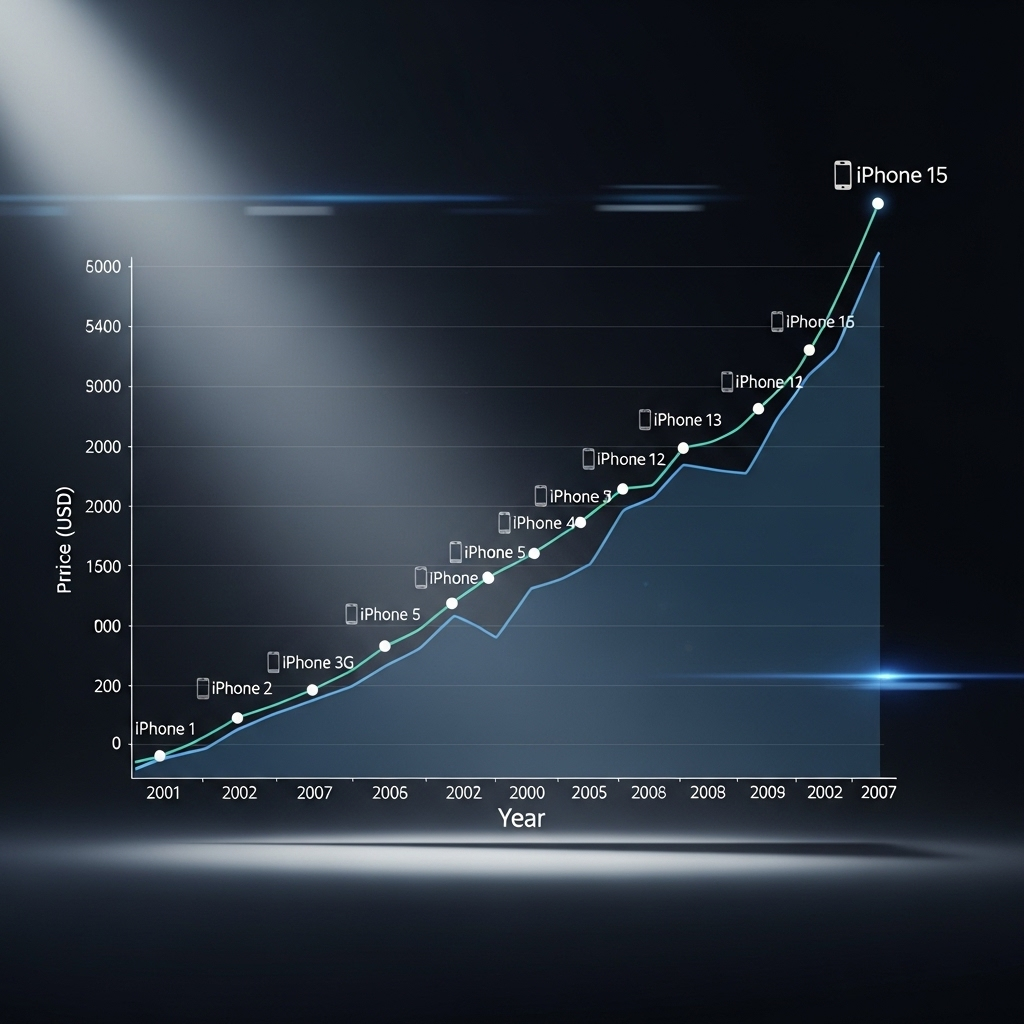
It wasn’t that long ago that a top-of-the-line iPhone felt like a significant but manageable purchase. The original iPhone in 2007 launched at $499. Fast forward to today, and the top-tier Pro Max models can easily soar past the $1,500 mark, especially with higher storage options.
This gradual increase isn’t an accident; it’s a reflection of a strategic choice by Apple to pack more and more advanced technology into a device that fits in your pocket. While base models have seen more modest increases, the “Pro” and “Ultra” tiers are where we see the most dramatic jumps. This strategy allows Apple to cater to both the mainstream market and the power users who are willing to pay a premium for the absolute best.
But what exactly are we paying for? While the shiny new cameras and brighter screens are easy to see, the most expensive component is the one you’ll never lay eyes on.
The Real Culprit Behind Rising iPhone Prices: Advanced Chip Technology
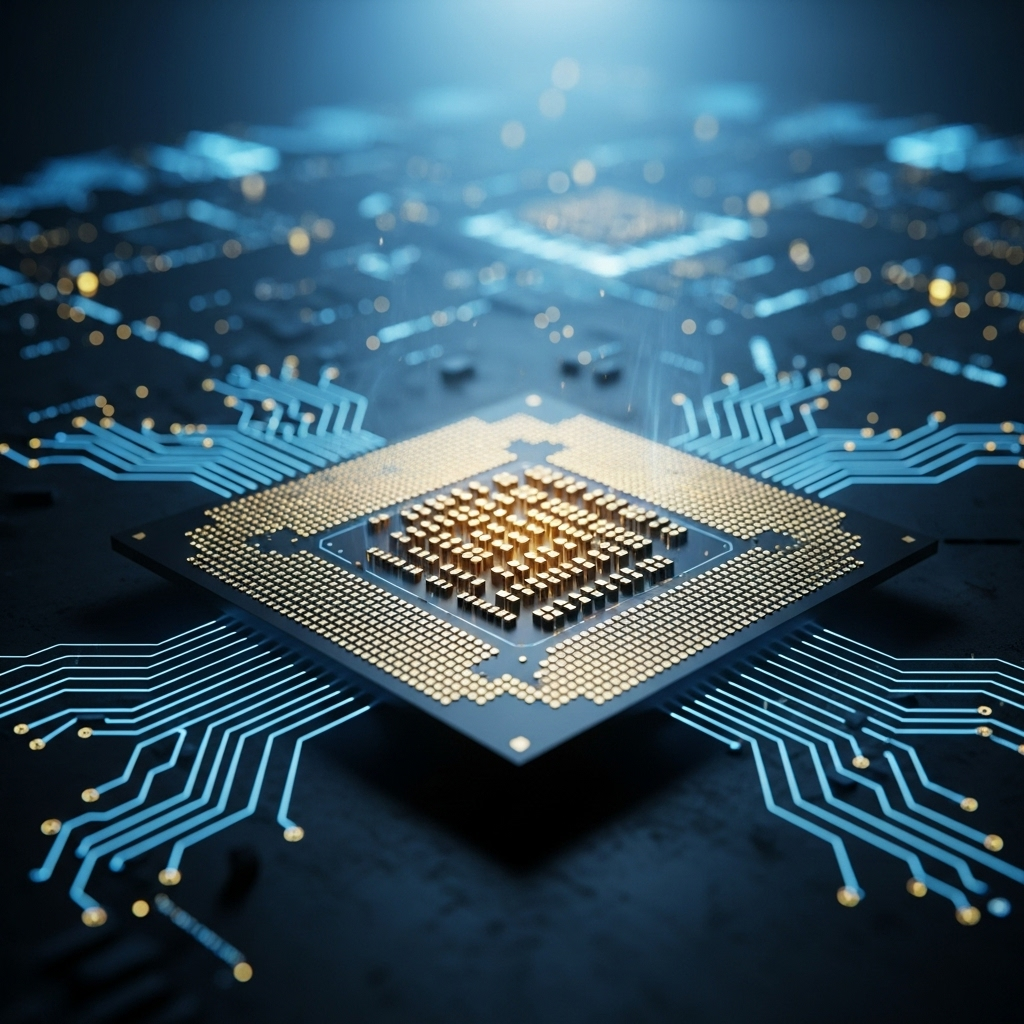
The single biggest reason for the relentless climb in iPhone prices is the astronomical cost of developing and manufacturing the System-on-a-Chip (SoC)—the “brain” of the iPhone, known as the A-series Bionic or M-series chip.
Think of the SoC as the device’s central nervous system. It houses the CPU (Central Processing Unit), GPU (Graphics Processing Unit), Neural Engine for AI tasks, and much more. Every year, Apple promises a chip that is faster, smarter, and more power-efficient. Delivering on that promise has become an incredibly expensive endeavor.
The End of “Easy” Miniaturization
For decades, the tech industry has been guided by Moore’s Law, an observation that the number of transistors on a microchip doubles roughly every two years, leading to increased power and efficiency. However, we’re reaching the physical limits of silicon. Shrinking transistors further—from 5-nanometer (nm) to 3nm and now toward 2nm—requires mind-bogglingly complex and expensive technology.
The primary tool for this is Extreme Ultraviolet (EUV) lithography. The machines that perform this process, primarily made by a single company (ASML), cost over $200 million each and require immense resources to operate. Apple’s primary chip manufacturer, TSMC (Taiwan Semiconductor Manufacturing Company), invests billions upon billions to build the facilities (or “fabs”) that house these machines.
This isn’t just a small price bump; it’s an exponential cost increase. Each new, smaller node is significantly more difficult and expensive to produce than the last. Apple pays a massive premium to TSMC for first access to this cutting-edge technology, and that cost is inevitably passed on to you, the consumer.
Billions in Research & Development
Beyond manufacturing, the R&D required to design these chips is immense. Apple employs thousands of the world’s best chip architects and engineers. The cost of designing, testing, and validating a new SoC before it ever reaches the factory floor runs into the billions of dollars annually. As tasks become more complex—powering advanced computational photography, on-device AI, and console-level gaming—the R&D burden grows.
More Than Just a Chip: Other Factors Contributing to Higher Costs
While the SoC is the main driver, it’s not working in a vacuum. Several other premium components add to the final cost and contribute to the overall trend of rising iPhone prices.
- Advanced Camera Systems: The multi-lens arrays on modern iPhones are engineering marvels. Larger sensors capture more light, sophisticated “periscope” lenses enable incredible optical zoom, and LiDAR scanners improve depth perception. Each of these components is more expensive than its predecessor.
- Cutting-Edge Displays: Apple has pushed for brighter, more color-accurate, and more durable OLED screens. Features like ProMotion (variable refresh rates up to 120Hz) require more advanced display controllers and panels, adding to the bill of materials.
- Premium Materials: The shift from aluminum to surgical-grade stainless steel and now to aerospace-grade titanium for the Pro models significantly increases the cost of the chassis. Titanium is notoriously difficult and expensive to machine.
- Global Inflation and Supply Chain: Like all companies, Apple isn’t immune to global economics. General inflation, rising labor costs, and the complexities of sourcing components from around the globe all add small but significant costs at every step of production. You can see the impact of these factors reported in their quarterly earnings reports.

Navigating the Future of iPhone Pricing
So, what does this mean for your next phone purchase? It’s highly unlikely that prices for flagship models will go down. The investment in chip technology, cameras, and materials will only continue, pushing the ceiling for top-tier devices even higher.
However, Apple is keenly aware of price sensitivity. Their strategy revolves around segmentation:
1. The Pro Tier: This is for the enthusiasts, creators, and early adopters who want the absolute best and are willing to pay for it. This is where you’ll see the biggest price increases, justified by the most advanced technology.
2. The Standard Tier: The base iPhone and iPhone Plus models often inherit technology from the previous year’s Pro models. This allows Apple to offer a compelling “new” device at a more stable price point, making it the sensible choice for most people.
3. Trade-In and Financing: Apple heavily promotes its trade-in programs and monthly financing options. These programs help soften the blow of a high upfront cost, making the purchase feel more like a manageable monthly subscription.
Is the Upgrade Worth It for You?
The key takeaway is that the rising iPhone prices are a direct result of the incredible technology being packed inside. The processing power in a new iPhone Pro rivals that of laptops from just a few years ago.
Before you automatically opt for the latest and greatest, consider your actual needs. Is the performance of a three-generation-old chip still perfectly fine for your daily use of social media, email, and web browsing? The answer is almost certainly yes. The standard iPhone models offer a fantastic balance of features and price, while previous-generation Pro models often present a great value.
Ultimately, the “big reason” for higher costs—the advanced SoC—is also the reason these devices are so capable. You’re paying for a pocket-sized supercomputer. The only question you have to answer is just how much power you really need.