
Sikh Truck Drivers Fear Backlash After 1 Fatal Crash
In the wake of a tragic and fatal highway collision involving a single driver of Sikh faith, a wave of anxiety is sweeping through the community of Sikh truck drivers across the nation. While the investigation into the crash is ongoing, many drivers fear they will be subjected to unfair scrutiny, prejudice, and collective blame, simply because they share the same faith and profession as the individual involved.
The Incident Sparking Fear
The concerns stem from a multi-vehicle accident last Tuesday on Interstate 80 near Cheyenne, Wyoming, which resulted in one fatality and several injuries. Early reports and subsequent social media chatter quickly highlighted the truck driver’s Sikh identity, evident by his turban. While authorities have urged the public to await the full results of the investigation and not rush to judgment, the damage in the court of public opinion was, for many, already done.
Transportation officials have stated that multiple factors are being considered in the crash analysis, including weather conditions, mechanical failure, and the actions of all drivers involved. However, for a community already navigating the challenges of a demanding profession, the specific focus on the driver’s background has been a source of significant distress.
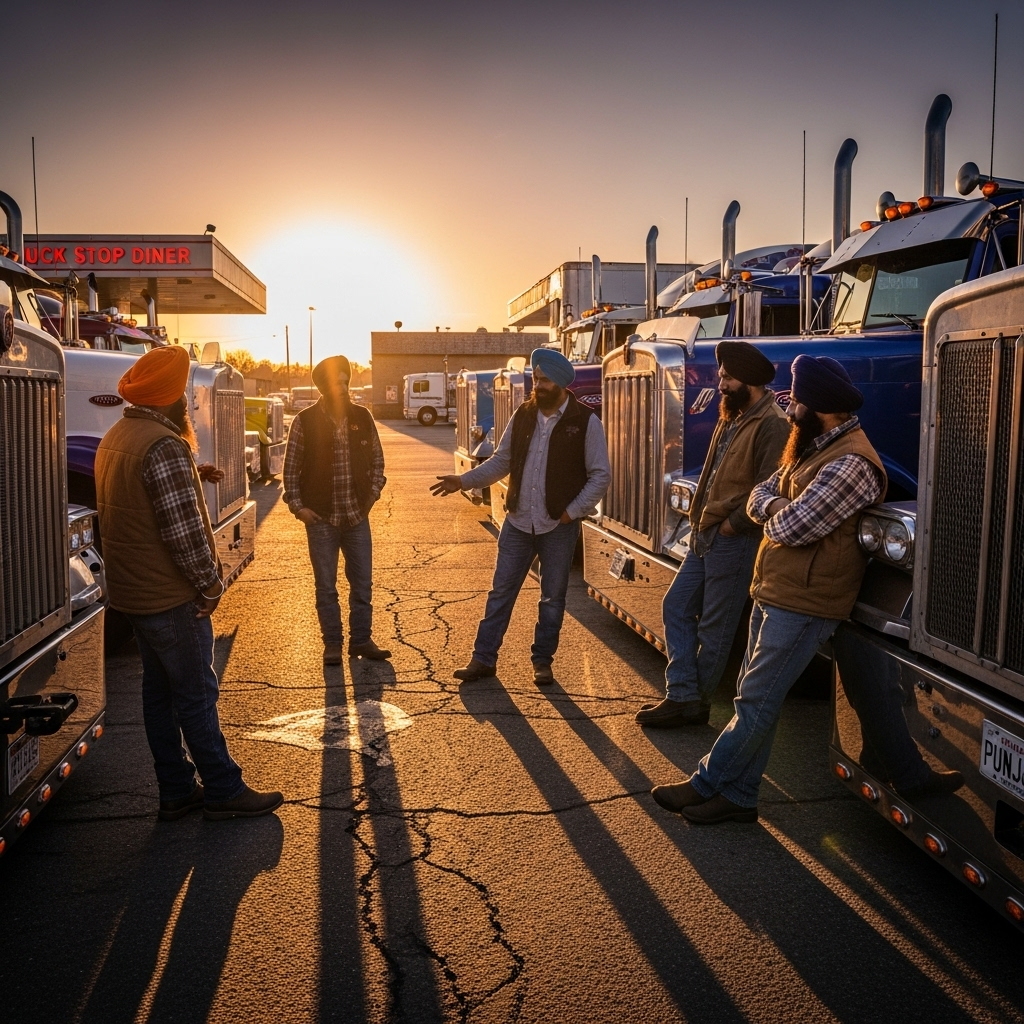
Voices from the Road: Concerns of Sikh Truck Drivers
For thousands of Sikh men, trucking is more than a job; it’s a livelihood that supports families both in the United States and abroad. The Sikh community has a strong and growing presence in the North American trucking industry, known for a powerful work ethic and a robust support network. Now, that very visibility feels like a liability.
Kuldeep Singh, a long-haul driver from Fresno, California, with 15 years of experience, expressed a sentiment shared by many. “One person makes a mistake, and suddenly we are all seen as dangerous,” he said during a stop in Salt Lake City. “My turban is a part of my faith. It represents honor and responsibility. I fear that now, on the road, people will see it and think of this one accident. They won’t see me, a father of three who has driven millions of miles safely.”
These fears are not unfounded. Drivers have reported an increase in hostile glares at truck stops, aggressive driving from other motorists, and a palpable tension during inspections. “You get worried,” adds Gurbir Pannu, another driver from Indiana. “Will a DOT officer be harder on me? Will a dispatcher think twice before giving me a good load? We just want to do our jobs safely and be treated with the same respect as anyone else.”
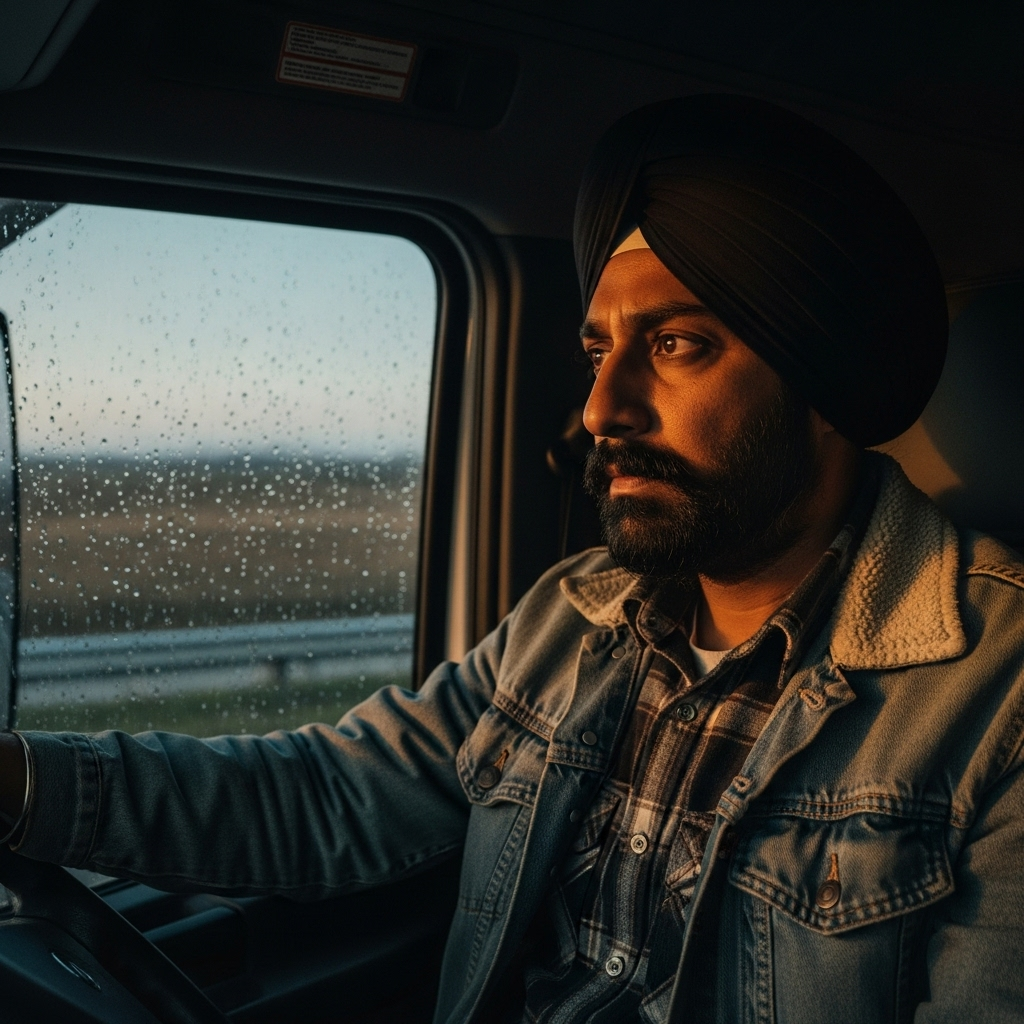
This anxiety adds another layer of mental strain to an already high-stress profession. Long hours, isolation, and pressure to meet deadlines are constants. The added fear of being judged by one’s appearance or faith can take a significant toll on a driver’s well-being and, ironically, their ability to focus on the road.
A History of Misrepresentation
This incident taps into a deeper history of post-9/11 prejudice, where individuals wearing turbans have often been mistakenly and maliciously associated with extremism. Despite Sikhism being a distinct religion with a long history in the United States, this visual stereotype has persisted, leading to discrimination and even violence.
Organizations like The Sikh Coalition have worked for decades to combat this ignorance through education and advocacy. They point out that judging an entire community of professional Sikh truck drivers by the actions of a single individual is a textbook case of prejudice. “Collective blame is a dangerous and unfair burden to place on any community,” said a spokesperson in a recent statement. “The trucking industry is incredibly diverse, and safety is a universal concern that transcends faith, race, or background.”
The U.S. trucking industry relies heavily on its diverse workforce. Blaming an entire demographic for one incident not only is discriminatory but also undermines the cohesion of the industry. For more information on workplace rights, the U.S. Equal Employment Opportunity Commission provides resources on religious discrimination.
Calls for Unity and Understanding
In response to the growing unease, several industry bodies and community leaders are speaking out. The American Trucking Associations (ATA) released a statement emphasizing that safety is their top priority and that “any attempt to profile or stereotype a group of drivers is contrary to the values of our industry.”
Local Sikh temples, or Gurdwaras, which often serve as community hubs for drivers, have been holding meetings to discuss the issue. They are offering support and reminding drivers of their rights. Leaders are encouraging drivers to remain professional, prioritize safety above all, and report any instances of harassment or discrimination to the proper authorities.
This is a critical moment for the industry to reinforce its commitment to all its drivers. Highlighting the contributions of immigrant communities is vital for a complete picture. (Read our related story: The Unseen Engine: How Diversity Fuels the Trucking Industry).
Ultimately, the road ahead requires empathy and a commitment to facts over fear. The actions of one driver, regardless of their background, should lead to a conversation about road safety for everyone, not a backlash against a community that is an integral part of the American supply chain. The hope is that a single tragic crash will not define the journey for thousands of hardworking Sikh truck drivers who safely travel our nation’s highways every single day.

“`


