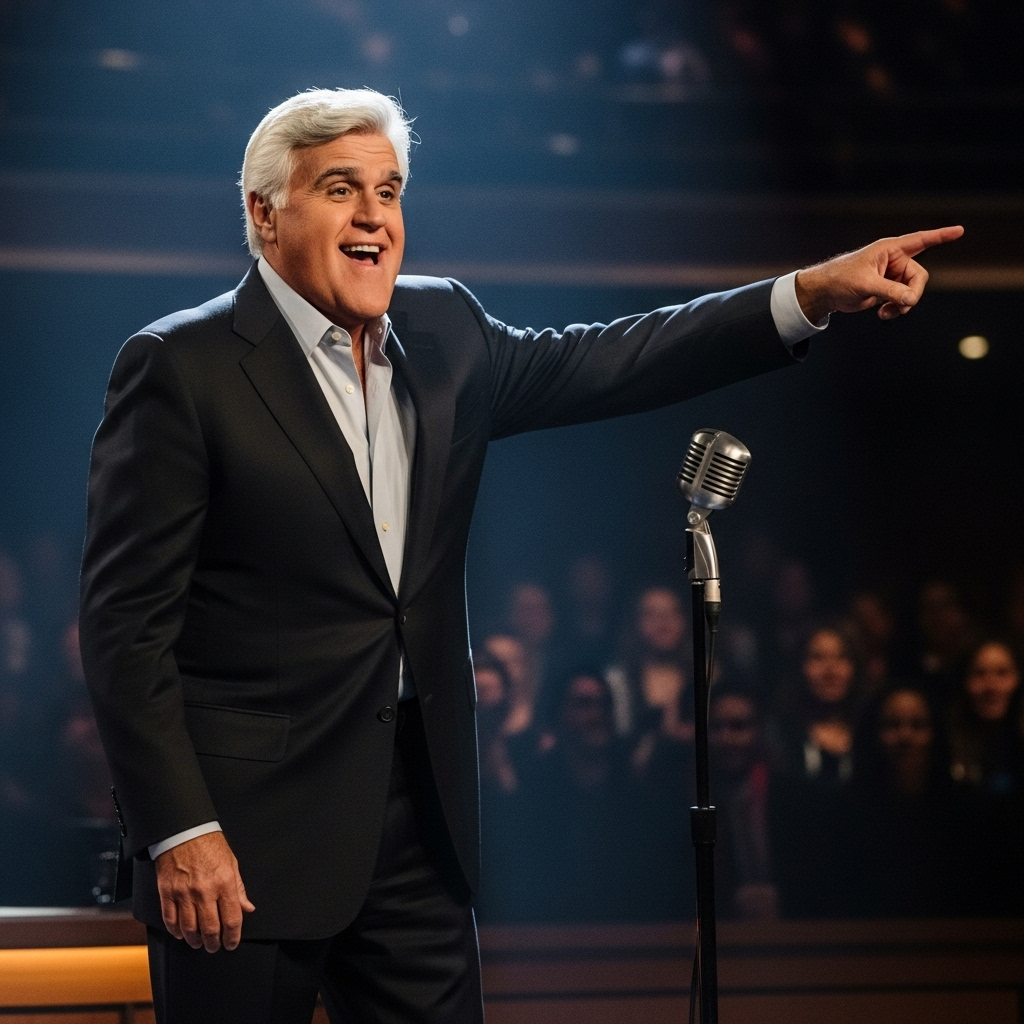
Former ‘Tonight Show’ Host Gives 1 Chilling Free Speech Warning
In a world saturated with hot takes and instant outrage, one voice from a bygone era of late-night television has delivered a stark message about the future of comedy and public discourse. Jay Leno, the long-reigning former ‘Tonight Show’ host, recently articulated a single, chilling warning about the erosion of free speech, not from government censorship, but from a pervasive culture of self-censorship driven by fear.
Leno, who helmed “The Tonight Show with Jay Leno” for over two decades, argues that the current climate has created a “minefield” for comedians and public speakers, where one misstep can lead to career-ending consequences. His warning isn’t about legal repercussions, but about a social pressure so intense that it forces creators to abandon nuance and risk in favor of safe, bland material.
In This Article:
The Core of the Warning: “The Rules Have Changed”
Speaking on a recent podcast, Leno didn’t mince words. “The new rule is, if you don’t like it, you have to be fired,” he explained, summarizing what he sees as the modern standard for public offense. The former ‘Tonight show’ host believes this goes far beyond simple heckling or bad reviews. Instead, it’s a demand for professional annihilation.
His core warning is this: when the penalty for a bad joke is not just silence but professional ruin, comedians will stop taking risks. And when comedy stops taking risks, it ceases to be an effective form of social commentary. “You’re not going to get the best stuff,” Leno lamented. “You’re going to get the safest stuff.”
This “chilling effect,” a term often used in legal discussions about speech, has now fully permeated the cultural landscape. According to Leno, the fear isn’t about breaking the law; it’s about breaking unwritten, constantly shifting social codes. The result is a creative paralysis where the primary goal is no longer to be funny or insightful, but simply to be inoffensive.
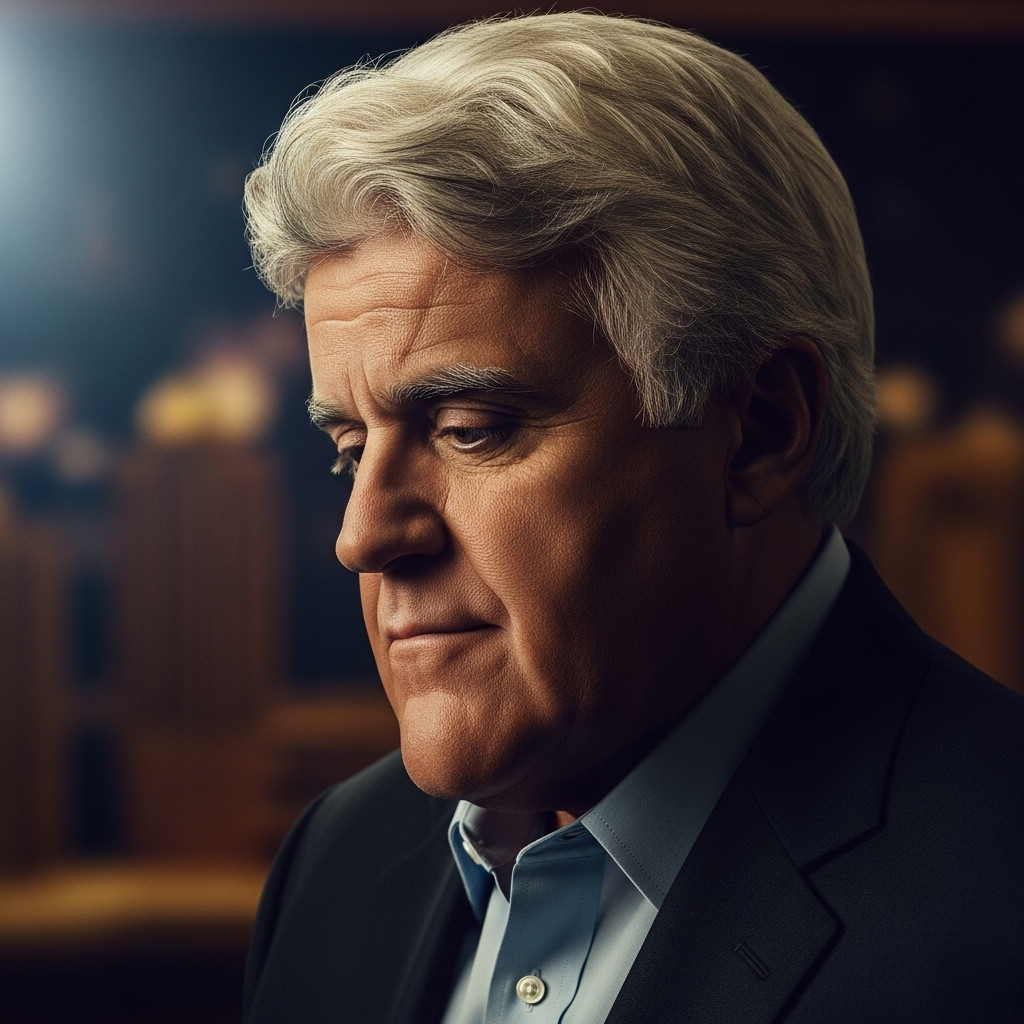
A Look Back: The Era of This Former ‘Tonight Show’ Host
To understand the gravity of his warning, it’s helpful to look back at the landscape during Leno’s tenure. As a former ‘Tonight Show’ host who broadcast to millions five nights a week, he was a master of mainstream, topical humor. His “Headlines” segment and opening monologues regularly poked fun at politicians, celebrities, and absurd news of the day.
During that time, from the 90s through the 2000s, the line was certainly present, but it was arguably drawn in a different place. Jokes that might have been considered edgy but acceptable then could be grounds for a social media firestorm today. The humor often relied on broad stereotypes and punchlines that many modern audiences would deem insensitive or “punching down.”
For example, jokes about political figures’ appearances or personal lives were standard fare. While critics existed, the mechanism for mass, instantaneous outrage did not. There was a buffer between the joke and the reaction—a buffer that has now completely evaporated. Leno’s point is that this buffer allowed for a wider range of comedic exploration, for better or worse. You can read more about this shift in our retrospective, “The Late Night Wars Revisited: How Times Have Changed.”
Broader Implications Beyond the Comedy Club
Leno’s warning resonates far beyond the world of stand-up comedy. The “chilling effect” he describes is a phenomenon being debated in academia, journalism, and even corporate workplaces. When people become afraid to voice an unpopular opinion or ask a difficult question for fear of social or professional reprisal, open discourse suffers.
The principle of free speech, enshrined in the First Amendment, primarily protects citizens from government censorship. However, as organizations like the Foundation for Individual Rights and Expression (FIRE) have noted, social pressures can be just as effective at silencing speech. “You don’t need a government agent to tell you to be quiet if you know you’ll be fired for speaking up,” a FIRE report noted last year.
This creates a paradox: in a society with robust legal protections for speech, people may feel less free to speak their minds than ever before. The fear of being “canceled” or becoming the target of an online mob can lead to a state of preemptive self-censorship. This is the heart of the chilling warning from the famous former ‘Tonight Show’ host—a warning that the marketplace of ideas is shrinking not by force, but by fear.
Accountability vs. Censorship: The Great Debate
Of course, there is a powerful counterargument to Leno’s position. Many would argue that what he sees as a “chilling effect” is simply long-overdue accountability. For decades, they contend, powerful voices in media—predominantly white and male—were able to “punch down” with impunity, using marginalized groups as easy targets for cheap laughs.
From this perspective, the current climate isn’t about censorship; it’s about a newly empowered audience that can now talk back. Social media has given a voice to those who were once voiceless, allowing them to collectively push back against humor they find harmful, lazy, or bigoted. They argue that this isn’t silencing speech but rather a consequence of it. You are free to say what you want, but you are not free from the criticism that follows.
Proponents of this view suggest that the “good old days” Leno remembers were only good for a select few. The pressure to be more thoughtful and empathetic in one’s comedy, they argue, isn’t a bug but a feature of a more inclusive society. It forces comedians to be smarter, sharper, and more creative rather than relying on tired tropes. The challenge, then, is to find the line between legitimate criticism and a punitive mob mentality that seeks to destroy rather than correct.
Ultimately, the warning from the veteran former ‘Tonight Show’ host serves as a critical flashpoint in an ongoing cultural conversation. It forces us to ask difficult questions: Where is the line between accountability and cancellation? How do we foster an environment that allows for risk and even failure without promoting harm? And most importantly, are we heading toward a future of more thoughtful expression or one of sterile silence?