
Trump’s New Order: 3 Ways It Targets Liberal Cities
Washington D.C. – A sweeping executive action, dubbed by insiders as Trump’s new order, has sent shockwaves through the political landscape. The directive outlines a series of bold federal policy shifts aimed at what the administration calls “restoring law and order and enforcing federal statutes.” However, critics argue that the order is a thinly veiled attempt to exert political pressure on metropolitan areas governed by Democrats. The text of the order, while broad, appears to create specific mechanisms that disproportionately affect liberal-leaning cities.
The core of the debate centers on the use of federal power to influence local policy. Supporters claim it’s a necessary step to address crime and immigration issues, while opponents see it as a dangerous overreach that threatens municipal autonomy. To understand the potential impact, we’ve broken down three of the most significant ways this new order targets these urban centers.
Contents
1. Tightening the Purse Strings on Federal Funding
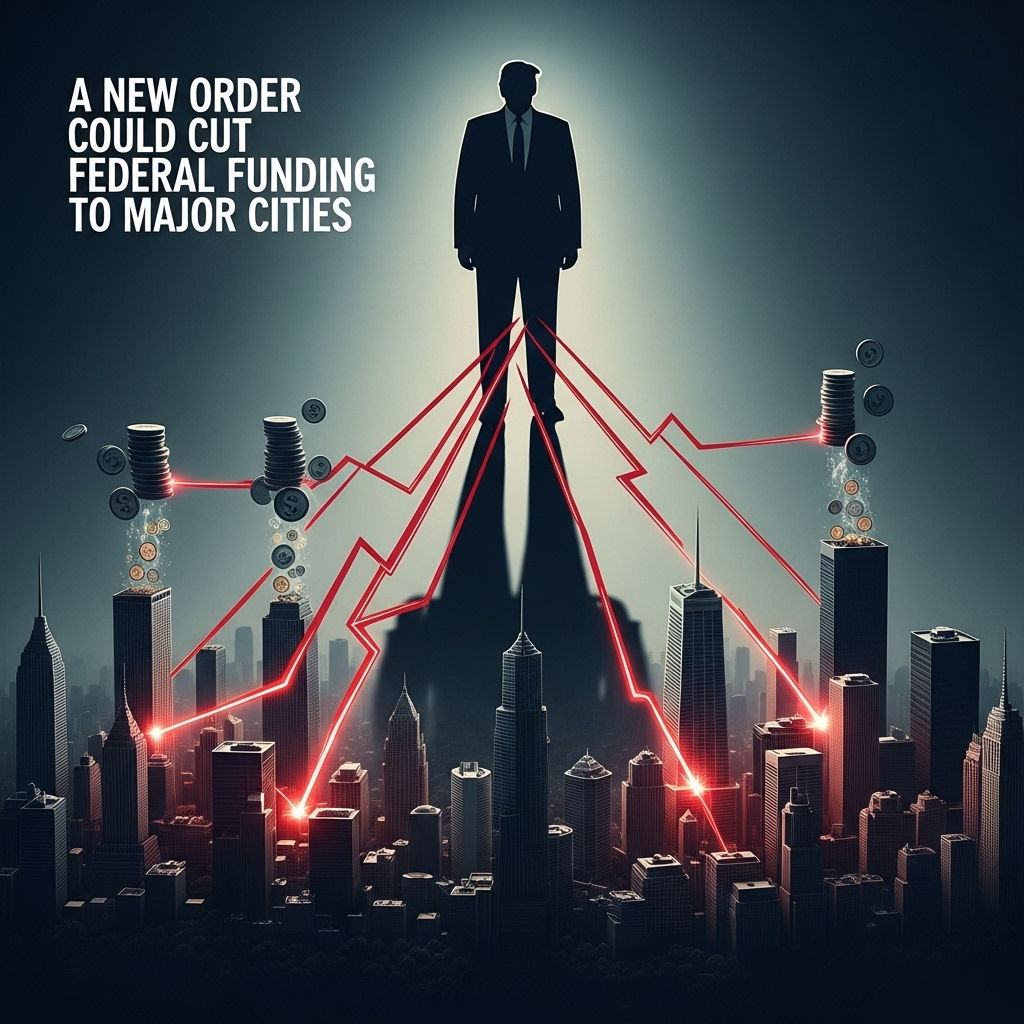
Perhaps the most potent tool in the federal government’s arsenal is its control over funding. Trump’s new order establishes a review process for all discretionary federal grants awarded to cities. The order directs federal agencies to prioritize grant applications from municipalities that “fully cooperate with federal law enforcement and immigration authorities” and meet new, federally-defined crime reduction targets.
This “cooperation” is vaguely defined, giving the executive branch significant latitude. This could directly impact billions of dollars in funding that major cities rely on for critical projects, including:
- Transportation and Infrastructure: Grants for repairing roads, bridges, and public transit systems could be withheld.
- Community Development Block Grants (CDBGs): This funding, often used for affordable housing and anti-poverty programs, could be put at risk.
- Law Enforcement Assistance Grants: Ironically, funds used by local police departments for equipment and training might be contingent on adopting federal priorities that may conflict with local community policing strategies.
By tying essential funds to policy compliance, the order creates a powerful incentive for city leaders to align with the administration’s agenda. Mayors and city councils will face a difficult choice: adhere to federal directives that may be unpopular with their constituents or risk losing the financial support needed to operate their cities effectively. This approach has been described by legal experts as a modern form of “coercive federalism.” For more on how federal funds are distributed, you can review data from government sources like the USAspending.gov portal.
2. How Trump’s New Order Challenges Sanctuary City Policies
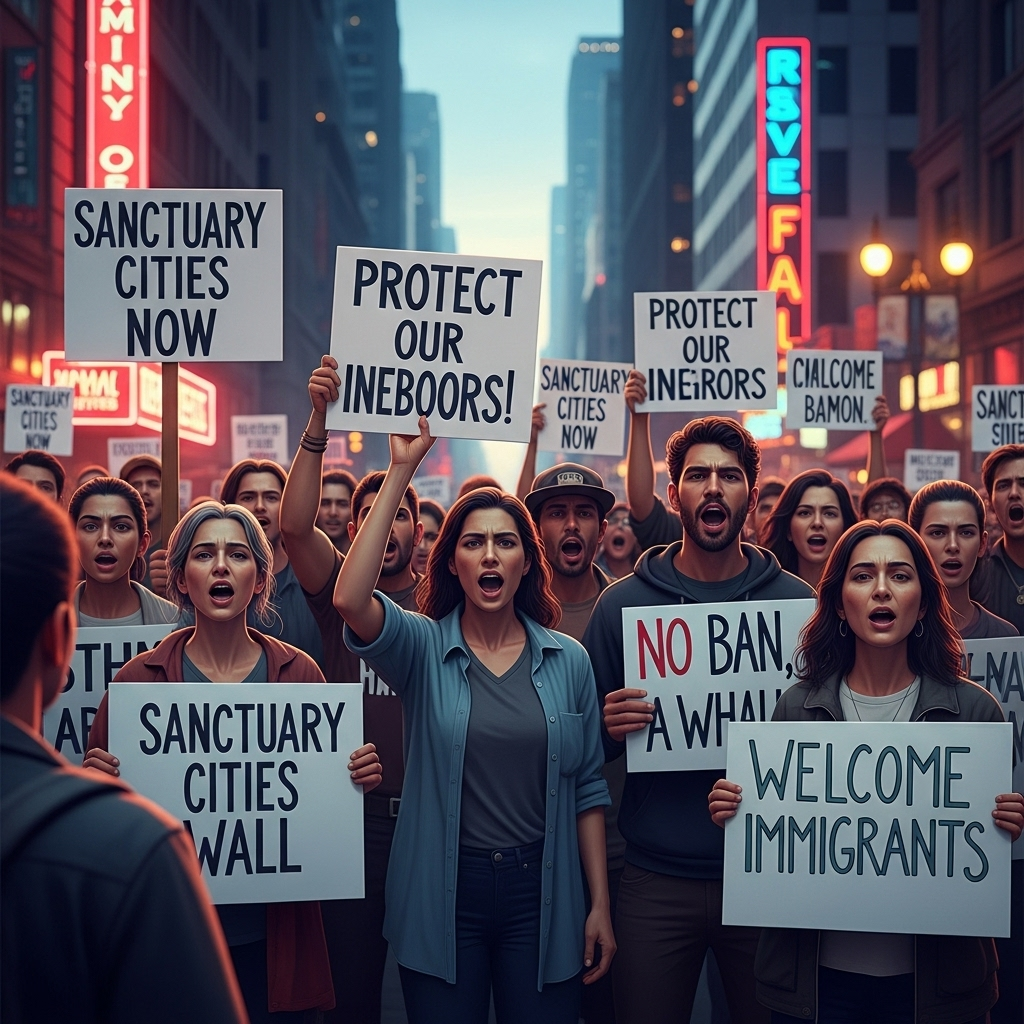
For years, so-called “sanctuary cities” have been a flashpoint in the national immigration debate. These jurisdictions have policies that limit cooperation between their local law enforcement and federal immigration agencies like ICE. Trump’s new order takes direct aim at this practice, moving beyond mere funding threats.
The directive authorizes the Attorney General to take several aggressive steps. Firstly, it seeks to deputize more state and local law enforcement officers to perform federal immigration duties under the 287(g) program, and it prioritizes this in areas with sanctuary policies. Secondly, the order instructs federal agencies to compile and publicly release a weekly list of “all criminal aliens released by uncooperative jurisdictions.” This is a public pressure tactic designed to shame local governments and link their policies directly to crime.
Most contentiously, the order explores legal avenues to hold cities liable for crimes committed by undocumented immigrants who were released from local custody despite a federal detainer request. This sets the stage for a series of high-stakes legal battles that will likely end up in the Supreme Court. The conflict pits the federal government’s authority to enforce immigration law against the 10th Amendment rights of states and cities to manage their own law enforcement resources. You can read more about the ongoing debate in our previous coverage of sanctuary city policies.
This prong of the order is a clear escalation, moving from financial penalties to direct legal and public relations warfare against cities that have charted their own course on immigration.
3. The Deployment of Federal Agents to Urban Areas
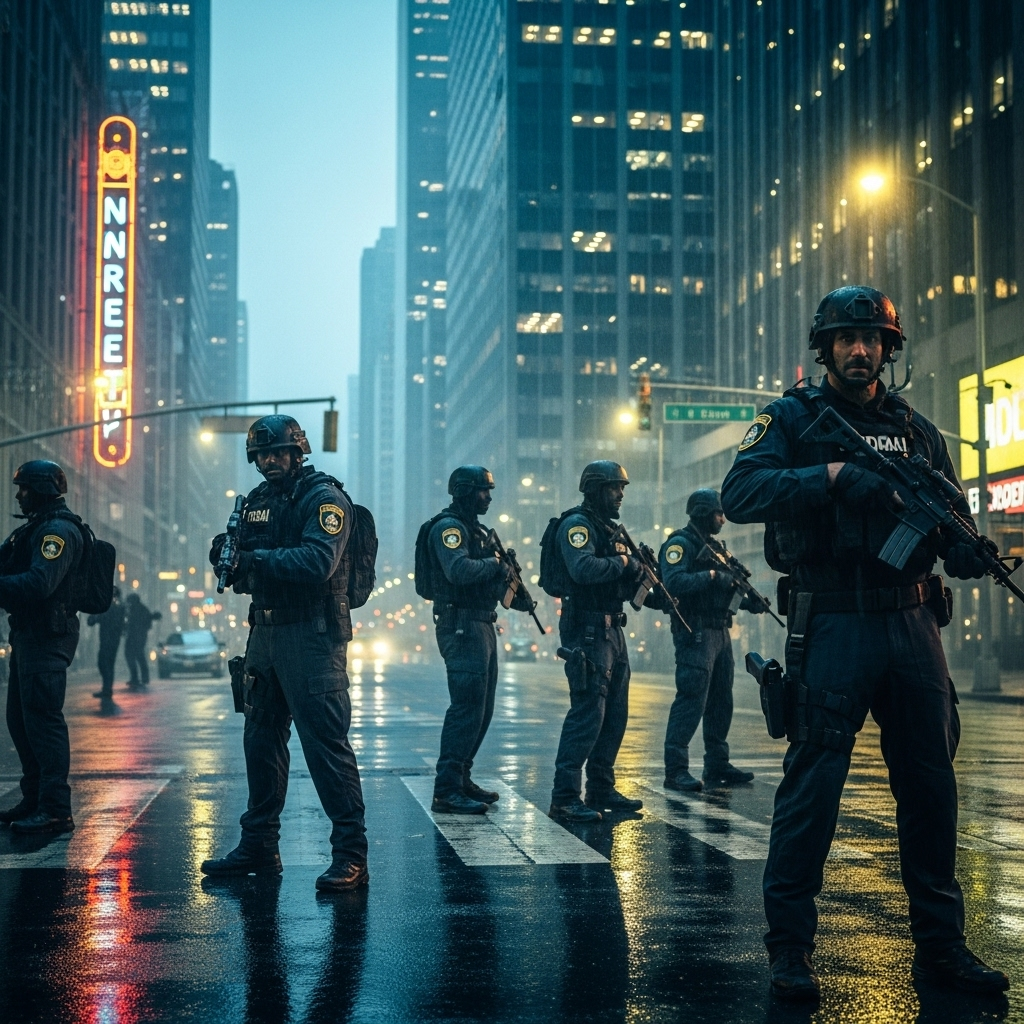
Drawing on the controversial use of federal agents in cities like Portland in 2020, the new order formalizes the President’s authority to deploy federal law enforcement to municipalities, even over the objections of local officials. The order cites federal statutes related to protecting federal property and enforcing federal laws as justification.
The directive creates a new “Urban Security Task Force” within the Department of Homeland Security. This task force is charged with monitoring crime and civil unrest in major cities. If a city is deemed “unwilling or unable to maintain order,” the President can authorize the deployment of agents from agencies such as the U.S. Marshals, FBI, and DHS.
Critics immediately raised alarms, arguing that this provision could lead to a federal police force operating on city streets with little to no local accountability. The presence of federal agents in tactical gear during protests has previously inflamed tensions rather than quelling them. Mayors and governors from several states have already stated they would view such a deployment as a violation of their state’s sovereignty and would challenge it legally.
A key concern is the potential for clashes between local police and federal agents operating under different command structures and rules of engagement. This aspect of Trump’s new order represents a direct challenge to the traditional model of American policing, where local and state authorities have primary jurisdiction. Information on the roles of various federal agencies can be found at official sites like the Department of Justice.
Conclusion: A New Era of Federal-Local Conflict
Trump’s new order is more than just a policy document; it’s a declaration of intent. By leveraging federal funding, directly challenging sanctuary policies, and asserting the power to deploy federal agents, the administration is setting up a direct confrontation with the nation’s liberal-leaning urban centers. Each of these three prongs tests the boundaries of executive power and the principles of federalism that have long governed the relationship between Washington D.C. and America’s cities.
As legal challenges are inevitably filed and political battle lines are drawn, the country is poised to enter a new and contentious chapter in the debate over local control versus federal authority. The ultimate impact of this order will depend not only on the administration that enforces it but also on the courts and city halls that choose to resist it.
“`


