
WC Glory: 3 Reasons Tuchel’s Long Throw Plan Could Work
The appointment of Thomas Tuchel to a top international post has sent ripples through the football world. Known for his tactical ingenuity and meticulous preparation, the German manager is already signaling a bold approach. The quest for WC glory often hinges on fine margins, and whispers from the training ground suggest Tuchel is reviving a seemingly archaic tactic: the long throw-in. While some may scoff, this calculated plan could be a masterstroke. Here’s why this throwback strategy might just be the key to unlocking the ultimate prize.
Article Contents
1. Exploiting Modern Defensive Lapses
In an era dominated by complex pressing schemes and fluid formations, the humble throw-in is often an overlooked phase of play. Modern defenders are drilled to defend against intricate passing patterns and swift counter-attacks, but not necessarily against a direct, aerial bombardment from the touchline. This is where Tuchel’s genius lies. He recognizes that a well-executed long throw is essentially a corner kick from a different location.
Many top-tier teams lack a coherent strategy for defending long throws. Players often switch off momentarily, unsure of their marking assignments or the expected trajectory of the ball. Unlike a corner, there’s no offside from the initial throw, allowing attacking players to crowd the six-yard box and create mismatches. By dedicating training time to this specific set-piece, Tuchel can create a highly specialized weapon that opponents are simply not prepared for. It’s a low-risk, high-reward tactic that preys on a collective blind spot in contemporary football coaching.
Think of the success teams like Stoke City had under Tony Pulis, but now apply that with world-class athletes. Tuchel isn’t just about launching the ball; he’ll have choreographed movements, screens, and flick-ons designed to create clear-cut chances. As noted by tactical experts at The Athletic, set-pieces decide a significant percentage of knockout tournament games. This plan directly targets that statistic.

2. Psychological Warfare and Creating Chaos: A Path to WC Glory
Football at the highest level is as much a mental game as it is a physical one. Achieving WC glory requires resilience, and Tuchel’s plan can be a powerful tool for unsettling even the most composed opposition. The constant threat of a long throw-in forces defenders to remain on high alert in areas of the pitch where they would normally feel safe. This sustained pressure can lead to mental fatigue and, ultimately, costly errors.
Imagine a tense quarter-final, deep into the second half. Every throw-in past the halfway line becomes a moment of high drama. The crowd roars, the defenders’ hearts pound, and chaos erupts in the penalty area. This isn’t just about scoring a goal; it’s about imposing your will on the game and breaking the opponent’s rhythm. It disrupts their game plan and forces them to react rather than dictate play. This psychological edge cannot be understated in a high-stakes tournament environment.
Furthermore, it creates a “no-lose” scenario. If the throw leads to a goal, it’s a massive success. If it’s cleared, it often results in a corner or another throw-in, keeping the pressure on. The opposition is pinned back in their own third, unable to launch a counter-attack. For a manager looking to control every aspect of a match, this is an invaluable tool for manufacturing pressure and building momentum towards WC glory.
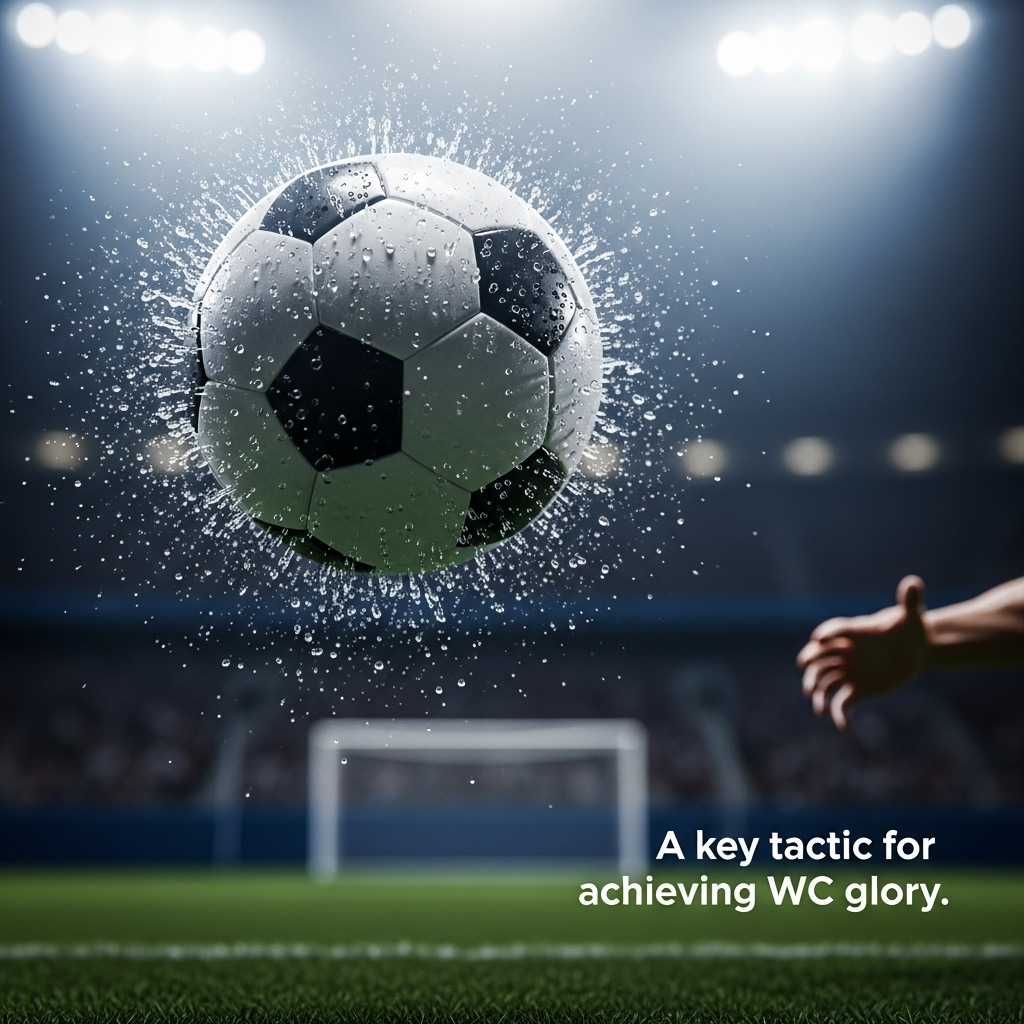
3. Personnel Perfectly Suited for the Plan
A strategy is only as good as the players executing it. Tuchel’s confidence in this plan likely stems from a careful analysis of the squad at his disposal. To make the long throw effective, you need three key components: a player with a genuinely long throw, towering aerial threats in the box, and scrappy players who can win the second ball. It appears Tuchel believes he has all three.
First, the “thrower.” Whether it’s a fullback or a midfielder, there must be at least one player capable of launching the ball flat and hard into the danger zone. This isn’t just about strength; it’s about technique. Players like Denmark’s Mads Bech Sørensen or Iceland’s Aron Gunnarsson have built careers around this skill. Tuchel has undoubtedly identified his specialist.
Second, the targets. You need central defenders and strikers who are not just tall but are aggressive in the air and skilled at timing their runs. These players will be tasked with either getting a direct header on goal or flicking the ball on to a predetermined area. They are the primary weapons in this set-piece assault.
Finally, the “scavengers.” These are the midfielders and forwards who anticipate where the second ball will drop after the initial aerial duel. Their job is to pounce on loose clearances and keep the attack alive, either with a quick shot or by recycling possession. Having a squad with this perfect blend of specialists is crucial, a detail we’ve explored in our previous article on building a balanced team. Without the right personnel, the plan is just a theory; with them, it’s a tangible threat.
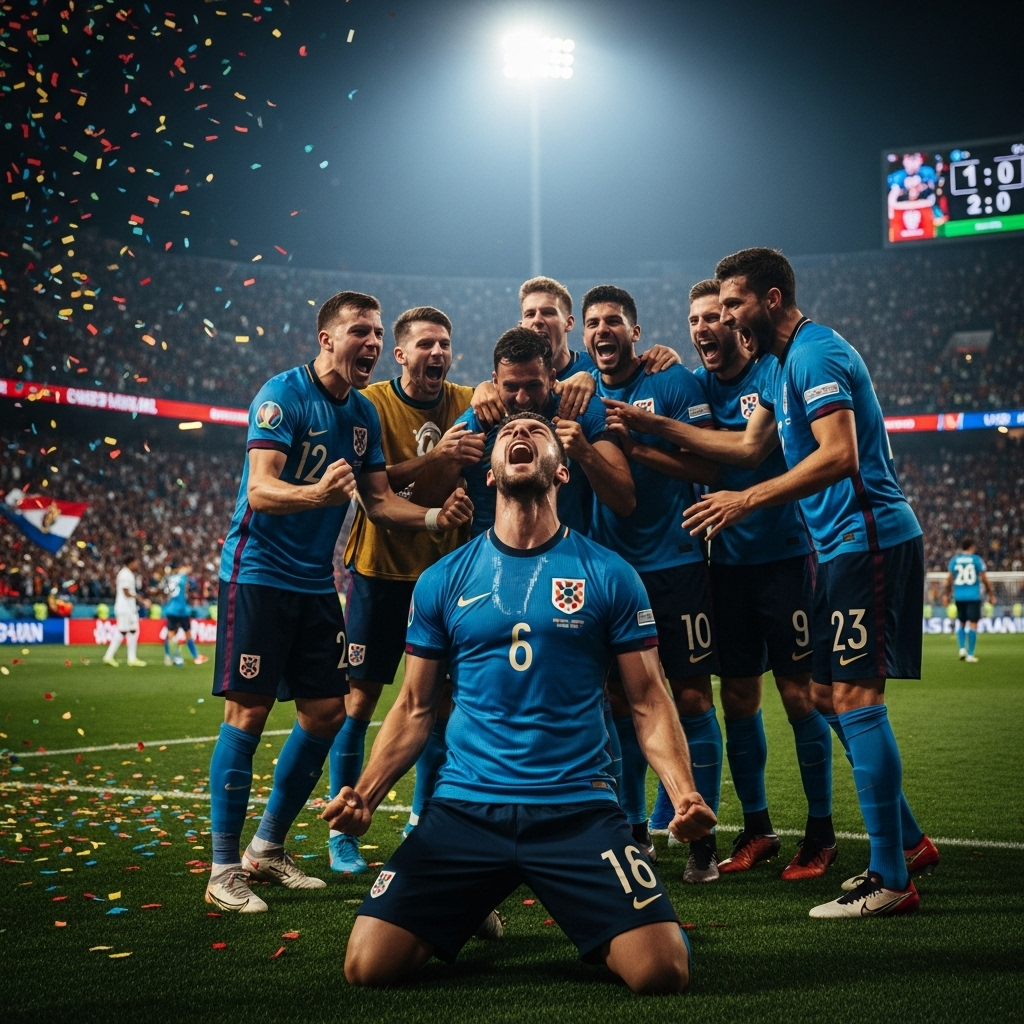
Final Thoughts: A Calculated Gamble?
While a long-throw strategy may seem unsophisticated to some, in Tuchel’s hands, it’s a highly calculated and data-driven approach. It targets specific weaknesses in modern football, creates immense psychological pressure, and is tailored to the strengths of his players.
In the crucible of a World Cup, where a single moment can define a legacy, unconventional tactics often make the difference. This isn’t about abandoning attractive football; it’s about adding a powerful, direct weapon to the team’s arsenal. It’s a pragmatic recognition that WC glory isn’t always won with beautiful goals, but with grit, intelligence, and the exploitation of every possible advantage. Don’t be surprised if this “primitive” plan becomes the tournament’s most talked-about tactical innovation.
“`


