
2026 World Cup: Tunisia Claims Spot with 1-0 Victory
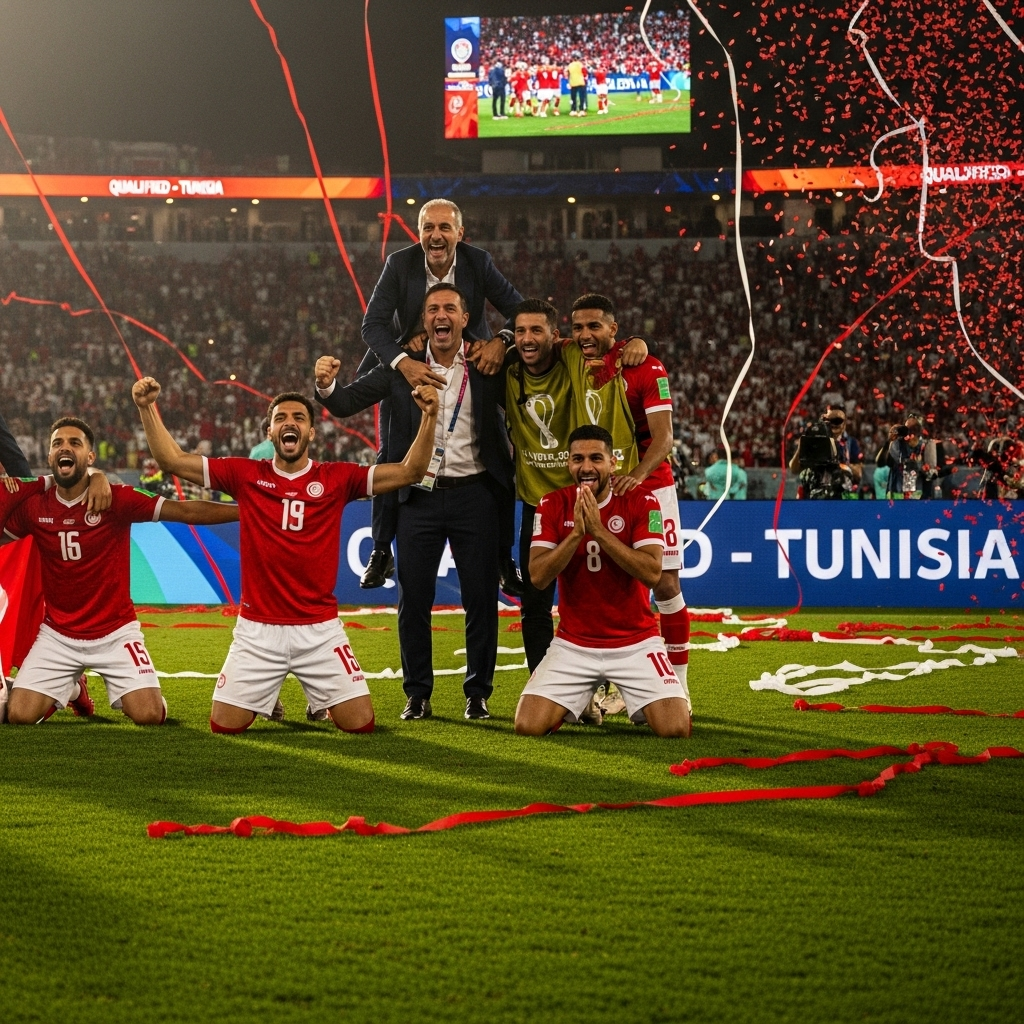
The Eagles of Carthage have officially punched their ticket to North America, becoming one of the latest teams to qualify for the expanded 2026 World Cup. A hard-fought 1-0 victory in a nail-biting qualifier has sent the nation into a frenzy, marking their seventh appearance on football’s biggest stage.
A Tense Showdown Secures Tunisia’s Place
The atmosphere at the Stade Olympique de Radès was electric, with every seat filled by fans draped in red and white. The stakes could not have been higher: a win would guarantee a spot in the 2026 World Cup, while anything less would leave their fate in the hands of other results. The tension was palpable from the first whistle.
The match was a cagey affair, a tactical chess match between two desperate teams. Chances were few and far between in a first half dominated by strong defensive plays and midfield battles. Tunisia’s backline, anchored by the formidable Montassar Talbi, was a rock, repelling every wave of attack.
The breakthrough finally came in the 71st minute. A swift counter-attack saw midfielder Aïssa Laïdouni play a perfectly weighted through ball to striker Seifeddine Jaziri. With ice in his veins, Jaziri took one touch to control the ball and a second to slot it past the outstretched arms of the opposition goalkeeper. The stadium erupted in a deafening roar.
The final 20 minutes felt like an eternity for the home supporters. Tunisia defended with grit and determination, throwing bodies on the line to protect their precious lead. When the final whistle blew, a wave of pure elation and relief washed over the players, staff, and fans. Tunisia was going to the World Cup.
The Eagles of Carthage’s Journey to the 2026 World Cup
This qualification is the culmination of a long and arduous campaign. Competing in a challenging African qualification group, Tunisia demonstrated remarkable consistency and resilience. Their journey to the 2026 World Cup was built on a foundation of defensive solidity and opportunistic attacking.
Under the guidance of coach Jalel Kadri, the team navigated a series of tough fixtures, both home and away. They secured crucial victories early in the group stage, setting a positive tone that they carried throughout the campaign. While they faced setbacks, including a hard-fought draw away from home, their ability to grind out results was a defining characteristic.
Key victories against their main group rivals proved decisive. The team’s ability to remain unbeaten at their home fortress in Radès gave them a significant advantage. Their disciplined approach was evident, conceding the fewest goals in their group and proving that a strong defense is often the best offense in the marathon of World Cup qualification.
Key Players and Tactical Brilliance
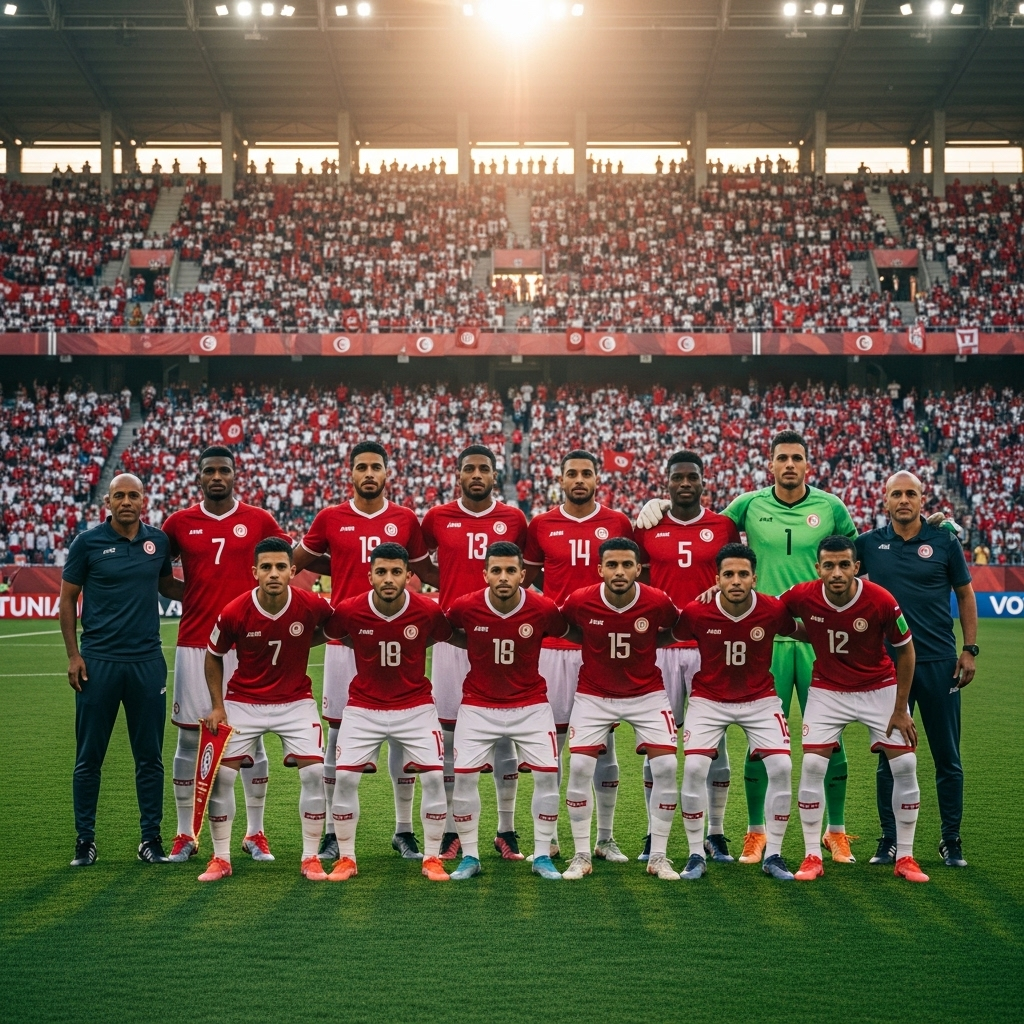
While the qualification was a team effort, several individuals stood out. Ellyes Skhiri was the engine in the midfield, tirelessly breaking up play and initiating attacks. His leadership and work rate were instrumental throughout the campaign. In attack, the veteran presence of Youssef Msakni provided creativity and experience, often unlocking stubborn defenses.
Of course, the hero of the final match, Seifeddine Jaziri, will be remembered for his decisive goal. His clinical finishing under immense pressure encapsulated the team’s fighting spirit. Goalkeeper Aymen Dahmen also deserves immense credit, having made several crucial saves not just in the final match but across the entire qualification process.
Coach Jalel Kadri’s tactical flexibility was a major factor. He expertly switched between formations depending on the opponent, often employing a pragmatic 4-3-3 that transitioned into a solid 4-5-1 when defending. This disciplined system made Tunisia incredibly difficult to break down and allowed them to capitalize on counter-attacking opportunities. Check out our full team profile for more analysis.
What This Means for Tunisian Football
Qualifying for the World Cup is more than just a sporting achievement for Tunisia; it is a source of immense national pride. The success of the Eagles of Carthage unites the country, bringing joy and celebration to streets from Tunis to Sfax. This achievement will undoubtedly inspire a new generation of footballers across the nation.
Financially, qualification provides a significant boost to the Tunisian Football Federation. The prize money from FIFA allows for investment in grassroots programs, infrastructure development, and the domestic league. This injection of funds can help secure the future of football in the country for years to come.
On the international stage, it reaffirms Tunisia’s status as one of Africa’s footballing powerhouses. Competing in the 2026 World Cup provides an invaluable platform for players to showcase their talents, potentially earning moves to major European leagues.
Looking Ahead to the North American Tournament
The focus now shifts to the main event. The 2026 World Cup, co-hosted by the United States, Canada, and Mexico, will be the largest in history, featuring 48 teams for the first time. This expanded format presents both challenges and opportunities for a team like Tunisia.
With more teams advancing from the group stage, Tunisia will have a realistic ambition of reaching the knockout rounds for the first time in their history. However, the competition will be fiercer than ever. Preparations will need to begin immediately, with friendly matches against high-caliber opponents to test their mettle.
Fans are already dreaming of the draw and the potential matchups. Could they face a footballing giant like Brazil or Germany? Or be drawn into a group with a regional rival? Whatever the outcome, the Eagles of Carthage have earned their right to compete on the world’s grandest stage. For more information on the tournament structure, visit the official FIFA World Cup 2026 page.
The journey has been long, but the reward is sweet. Tunisia is back, and they are ready to make their mark on the 2026 World Cup.

“`


