
Turkey’s ‘Tough Guy’ President: 5 Moves Under Scrutiny
Recep Tayyip Erdoğan has dominated Turkish politics for over two decades, cultivating a distinct political brand. Often labeled as Turkey’s ‘tough guy’ president, his leadership style is characterized by decisive, often controversial, actions that project an image of strength and national pride. This approach has solidified his base but has also drawn significant scrutiny both at home and on the world stage. From reshaping the constitution to bold foreign policy ventures, Erdoğan’s presidency is a study in the consolidation of power.
His supporters see a leader who stands up for Turkey’s interests, unafraid to challenge Western powers and restore the nation’s historical glory. Critics, however, point to a growing authoritarianism that has eroded democratic institutions and civil liberties. To understand the complex legacy he is building, we must examine the specific policies that define his rule. Here are five key moves under Erdoğan that have come under intense scrutiny.
1. The Power Grab: 2017 Constitutional Overhaul
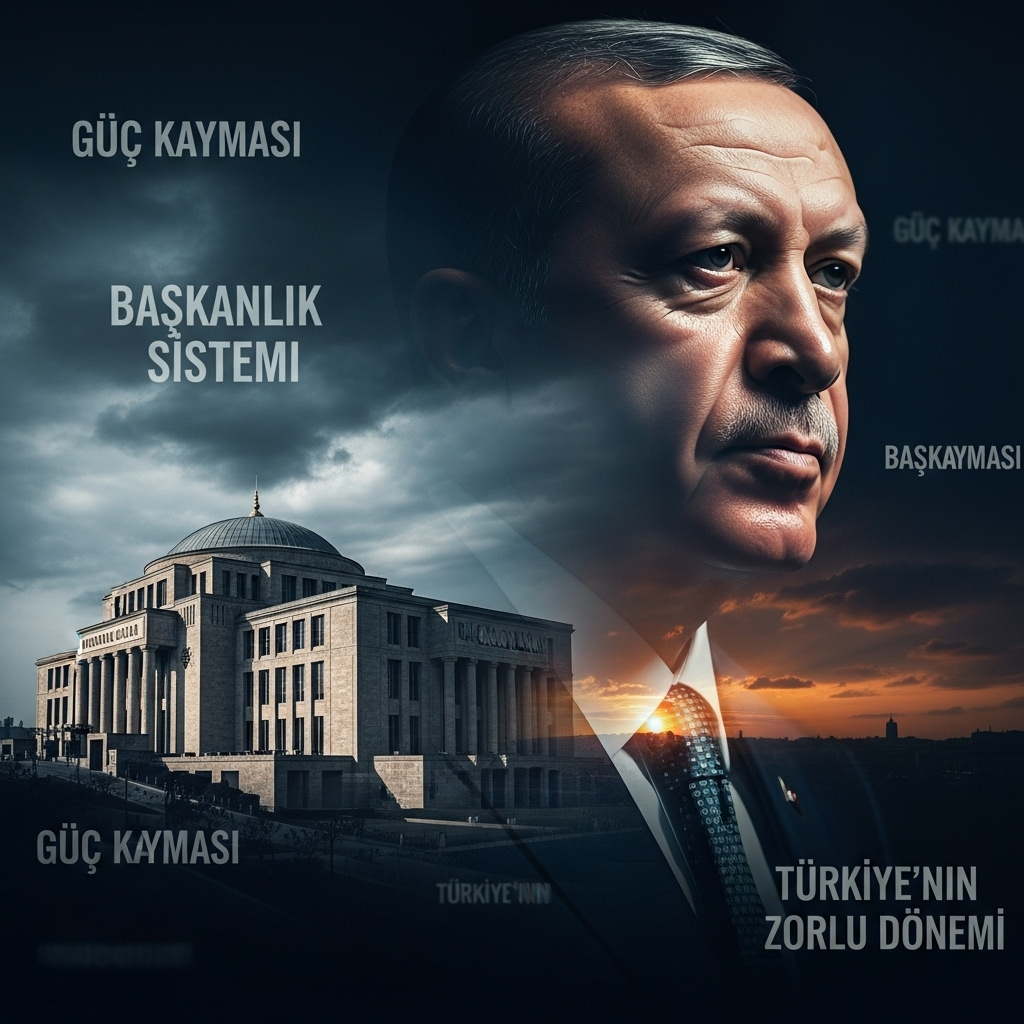
Perhaps the most significant move of Erdoğan’s career was the 2017 constitutional referendum. Narrowly approved by the Turkish electorate, this overhaul fundamentally transformed Turkey’s political system. It abolished the office of the Prime Minister and transitioned the country from a parliamentary democracy to an executive presidency.
Under the new system, the president gained sweeping new powers. This includes the authority to issue decrees with the force of law, appoint vice presidents and ministers without parliamentary approval, and exert greater influence over the judiciary. Proponents argued these changes were necessary to create a more stable and efficient government, cutting through bureaucratic red tape.
However, critics, including the Venice Commission of the Council of Europe, warned that the changes lacked the necessary checks and balances to prevent an abuse of power. They viewed it as a legal framework for one-man rule, cementing Erdoğan’s position at the top and weakening democratic accountability. This move is often cited as the cornerstone of his “tough guy” consolidation of authority.
2. Assertive Foreign Policy: Redrawing Regional Lines
On the international stage, Erdoğan has pivoted Turkey away from its traditional, West-leaning foreign policy. He has pursued a more independent and muscular approach, often putting him at odds with NATO allies, particularly the United States.
This “tough guy” foreign policy is evident in several key arenas:
- Syria: Turkey has launched multiple military incursions into northern Syria to combat Kurdish forces it considers terrorists, creating a “safe zone” under Turkish control.
- Libya and Nagorno-Karabakh: Erdoğan provided critical military support, including armed drones, to allies in the conflicts in Libya and Nagorno-Karabakh, decisively tipping the scales and projecting Turkish military influence.
- Eastern Mediterranean: Aggressive gas exploration in disputed waters has led to tense standoffs with Greece and Cyprus, further challenging regional stability.
While these actions are popular with his nationalist base, who see Turkey rightfully claiming its role as a regional hegemon, they have strained diplomatic ties. The purchase of the Russian S-400 missile system, for example, led to U.S. sanctions and Turkey’s removal from the F-35 fighter jet program, highlighting the risks of this assertive posture.
3. The Hagia Sophia Gambit: A Symbol of Power
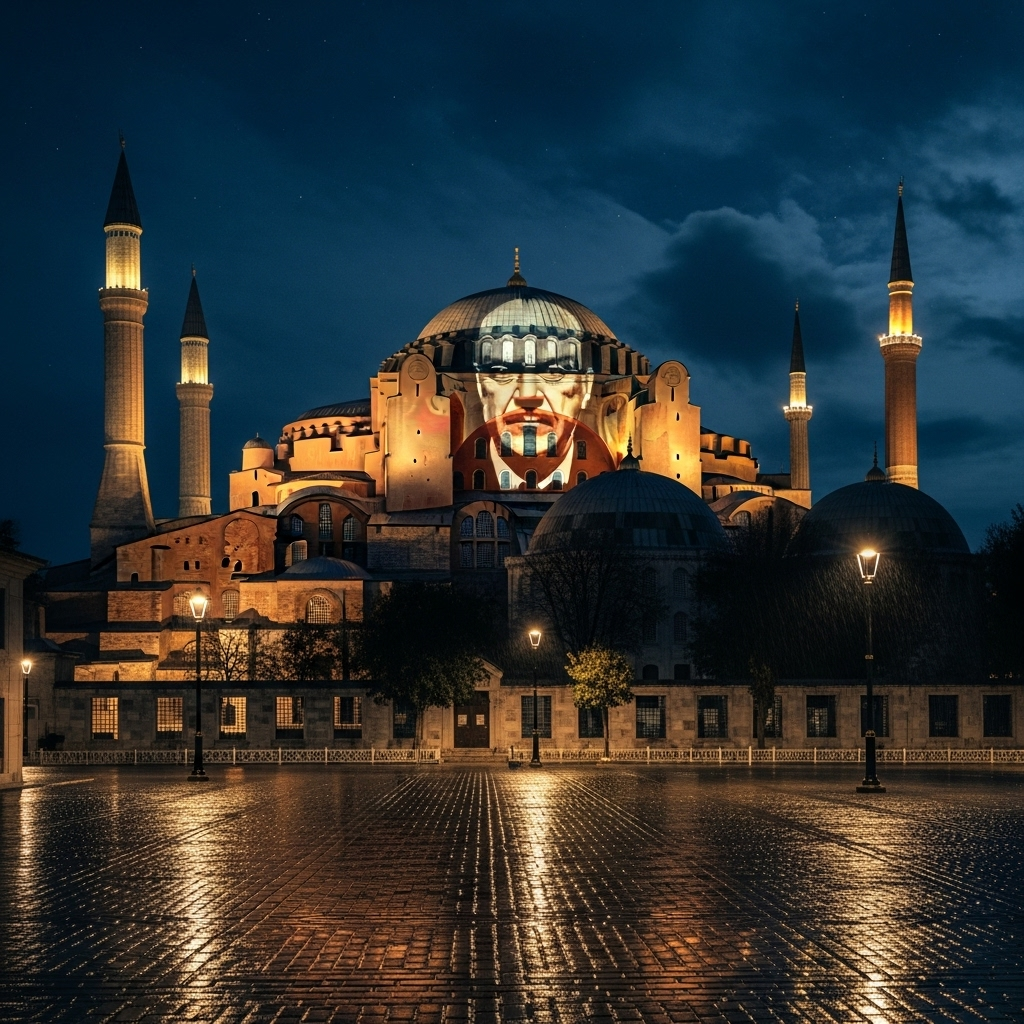
In July 2020, Erdoğan announced that the Hagia Sophia, a UNESCO World Heritage site that had served as a museum since 1934, would be converted back into a mosque. The iconic structure was originally a Byzantine cathedral before being converted into a mosque after the Ottoman conquest of Constantinople in 1453. Its secular status was a cornerstone of Mustafa Kemal Atatürk’s modern, secular Turkish republic.
The decision to revert it was a deeply symbolic and populist move. It resonated strongly with Erdoğan’s conservative and religious base, who saw it as the reclamation of a treasured Islamic symbol and a powerful rejection of secularist constraints. For them, it was a moment of immense national and religious pride.
Internationally, the move was widely condemned. Leaders from the Pope to UNESCO officials expressed dismay, viewing it as a divisive action that undermined the site’s universal heritage and its role as a bridge between Christianity and Islam. For critics, this was a classic move from Turkey’s ‘tough guy’ president: prioritizing a nationalist-religious agenda over international comity and secular traditions.
4. Economic Unorthodoxy: Erdoğan’s War on Interest Rates
One of the most scrutinized areas of Erdoğan’s rule is his unconventional approach to economic policy, often dubbed “Erdoğanomics.” He holds the unorthodox belief that high interest rates cause inflation, a direct contradiction of mainstream economic theory. He has famously called interest rates the “mother and father of all evil.”
Acting on this belief, he has exerted immense pressure on Turkey’s Central Bank, frequently replacing governors who resisted his calls to cut rates. This interference has shattered the bank’s credibility and independence. The result has been soaring inflation, a plummeting Turkish lira, and increased economic hardship for ordinary citizens.
While the government has implemented other measures like currency-protected deposit schemes, international investors and economists remain deeply skeptical. This “war on interest rates” is a prime example of his “tough guy” approach, defying expert consensus in favor of his own convictions, but the economic fallout continues to be a major source of domestic discontent and a significant challenge to his presidency. You can learn more about our political analysis here.
5. The Crackdown on Dissent: A Key ‘Tough Guy’ Tactic
Following the failed coup attempt in 2016, Erdoğan’s government launched an unprecedented crackdown on perceived enemies of the state. While initially aimed at the followers of Fethullah Gülen (whom Ankara blames for the coup), the purges quickly expanded to include a wide range of dissenting voices.
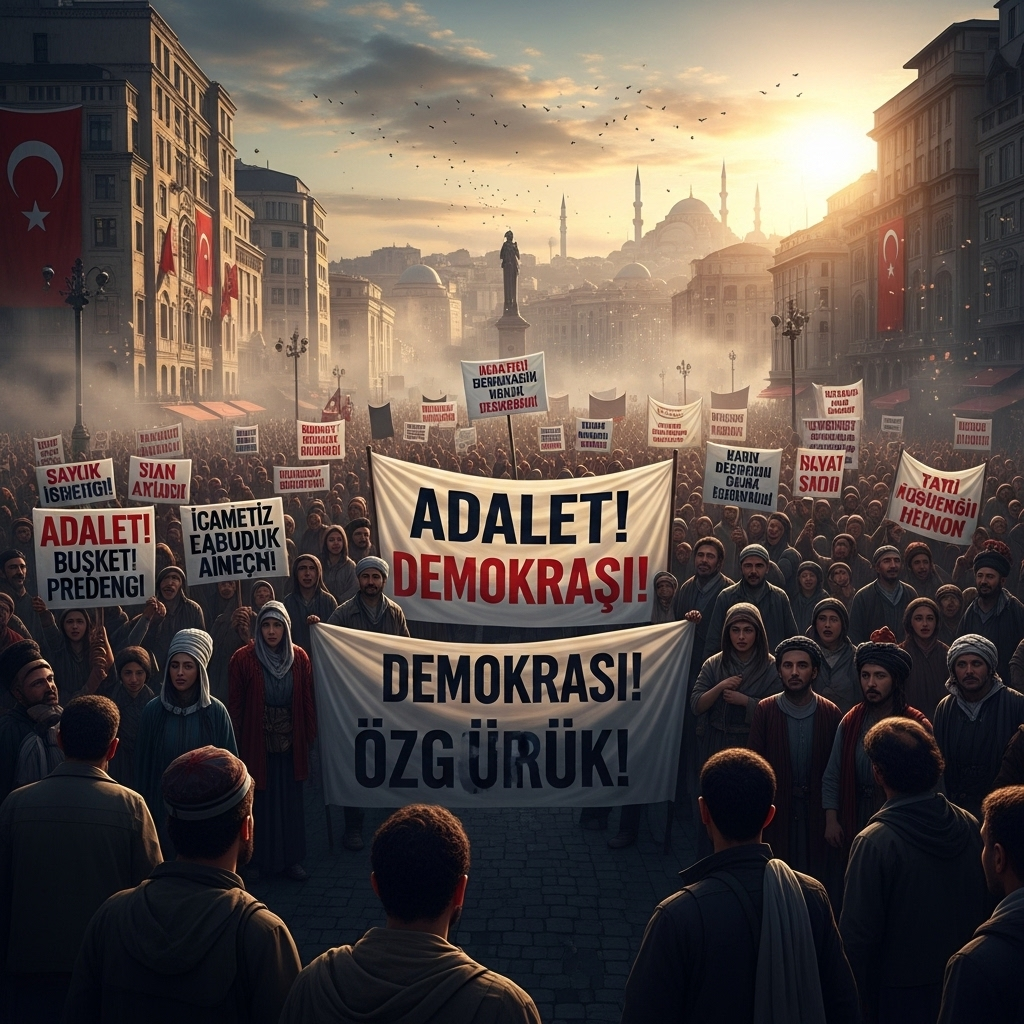
Tens of thousands of people, including journalists, academics, judges, and opposition politicians, have been arrested or dismissed from their jobs. Media outlets critical of the government have been shut down, and control over online information has tightened. Human rights organizations like Amnesty International have extensively documented the erosion of free speech and assembly.
The government justifies these actions as necessary for national security. However, critics argue that they are a clear tactic of Turkey’s ‘tough guy’ president to silence opposition and consolidate his rule by creating a climate of fear. This suppression of dissent remains one of the most troubling aspects of his presidency for Western democracies and human rights advocates.
A Legacy Under Scrutiny
Recep Tayyip Erdoğan’s presidency is a complex tapestry of nationalist pride, religious symbolism, and raw power. The five moves examined here showcase a leader who is unafraid to take decisive and often unilateral action to achieve his goals. To his millions of supporters, he is a strong, visionary leader restoring Turkey’s greatness. To his critics, he is an autocrat dismantling the democratic foundations of the republic.
As he navigates ongoing economic challenges and a shifting geopolitical landscape, the legacy of Turkey’s ‘tough guy’ president remains one of the most compelling and consequential stories in modern politics.
“`


