
Two children, 1 adult die in failed Channel crossing
A devastating incident in the English Channel has resulted in the deaths of one adult and two children after their small, overcrowded boat capsized in the early hours of the morning. The tragedy occurred in the frigid waters off the coast of northern France, highlighting the extreme dangers faced by migrants attempting to make the perilous journey to the United Kingdom.
French authorities have confirmed that a major search and rescue operation was launched after the vessel was reported to be in distress. While dozens of individuals were rescued, the operation ended in heartbreak with the recovery of three bodies. This event marks another grim chapter in the ongoing humanitarian crisis unfolding in one of the world’s busiest shipping lanes.
The Incident Unfolds in the Dark
According to the French coastal authority, the Préfecture Maritime de la Manche et de la Mer du Nord, the alarm was raised before dawn on Tuesday. A distress call indicated that a small dinghy, wholly unfit for the treacherous Channel conditions, was taking on water several miles off the coast near Dunkerque. These boats are often flimsy, purchased in bulk, and dangerously overloaded by human smugglers, leaving passengers with little to no chance if conditions worsen.
Reports suggest that more than 50 people were crammed onto the vessel, which was designed to hold a fraction of that number. As the boat began to fail, passengers were thrown into the cold, dark sea. The water temperature in the Channel at this time of year can be as low as 15°C (59°F), posing a severe and immediate risk of hypothermia, which can incapacitate a person in minutes.
Strong currents and choppy waves, common in the strait, likely contributed to the rapid capsizing of the boat. Survivors later told rescuers that the situation descended into chaos very quickly as the inflatable structure buckled under the weight and the waves.
A Desperate Rescue Operation
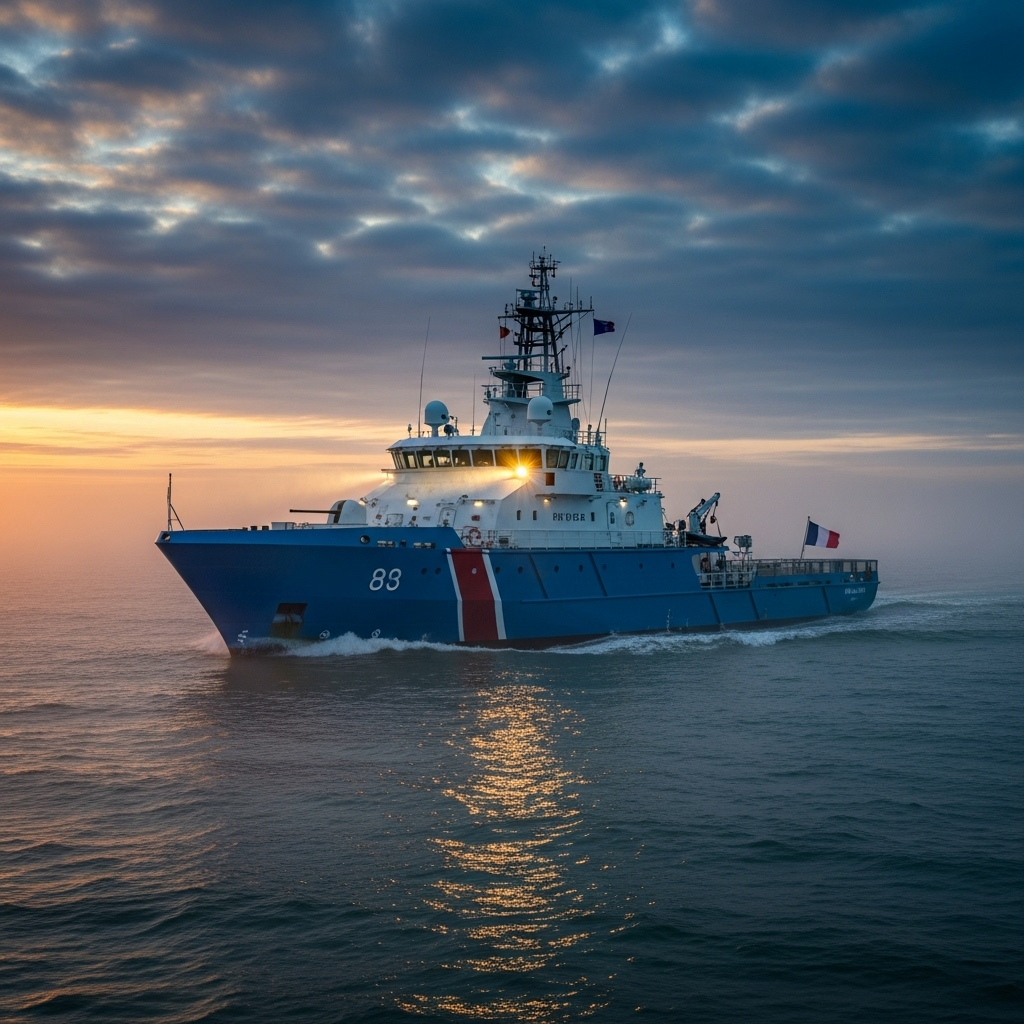
A coordinated search and rescue mission was immediately initiated, involving multiple assets from both French and British agencies. French patrol boats, a helicopter, and nearby fishing vessels were diverted to the location to search for survivors. The UK’s Maritime and Coastguard Agency also provided support, demonstrating the cross-Channel cooperation that exists for such emergencies.
Rescuers managed to pull 51 survivors from the water. Many were suffering from severe hypothermia and shock. They were transported to Calais, where they were met by emergency medical teams and local authorities. The survivors, including other children and women, are now receiving medical care and support from humanitarian organizations.
Despite the extensive rescue efforts, the operation transitioned to a recovery mission as hopes of finding more survivors faded. The bodies of a man and two young children were subsequently recovered from the sea. An investigation into the incident has been launched by French prosecutors to determine the exact circumstances of the tragedy and to identify the smuggling networks responsible. For more information on cross-border cooperation, see our previous coverage: UK-France Sign New Deal to Tackle Channel Crossings.
The Human Cost: Remembering the Two Children and Adult Victim
This incident is a stark and painful reminder of the human toll of the Channel crossing crisis. The loss of any life is a tragedy, but the deaths of two children, whose futures were stolen from them in the cold waters of the Channel, is particularly heartbreaking. Their identities have not yet been released as authorities work to notify their next of kin.
Charities and aid workers on the ground have expressed profound sorrow and anger. They emphasize that these individuals are not just statistics but people—families, parents, and children—fleeing war, persecution, or extreme poverty, who felt they had no other choice but to risk their lives for a chance at safety and a better future. The journey itself is a testament to their desperation.
These dangerous crossings are organized by ruthless criminal gangs who exploit vulnerable people for profit. They show a complete disregard for human life, providing inadequate boats and life vests, and often forcing people to set off in dangerous weather conditions. The focus now turns to providing support for the survivors who have endured an unimaginable trauma, having lost loved ones and friends at sea.
A Growing Crisis in the Channel
Tuesday’s tragedy is not an isolated event but part of a worsening crisis. The number of people attempting to cross the English Channel in small boats has surged over the past few years, despite significant investment from both the UK and French governments to deter the crossings. According to recent figures, tens of thousands of people make the attempt each year.
This route has become more common since security was tightened at ports and the Channel Tunnel, making it harder for migrants to stow away on lorries and trains. In response, smuggling networks have pivoted to the even more dangerous sea route. The United Nations High Commissioner for Refugees (UNHCR) has repeatedly warned of the risks and called for more coordinated international action.
The political debate over how to handle the crisis is intense. Some argue for tougher enforcement and deterrents to break the business model of the smugglers. Others, including many humanitarian groups, argue that the focus on deterrence without providing safe and legal alternatives for seeking asylum only forces desperate people to take greater risks. They advocate for creating safe routes to claim asylum, which they believe would prevent people from having to turn to smugglers in the first place.
Official Reactions and Calls for Action
Officials on both sides of the Channel have expressed their condolences and horror at the loss of life. The UK Home Secretary called the deaths “an upsetting and tragic loss of life” and reiterated the government’s commitment to “stopping the boats” and dismantling the criminal gangs responsible. Similarly, the French Interior Minister spoke of an “unbearable drama” and vowed to strengthen the fight against smuggling networks.
However, aid organizations have criticized what they see as a failed policy. The chief executive of the Refugee Council stated, “This is a humanitarian crisis, not a security one. As long as the government’s primary response is deterrence and punishment, we will sadly see more tragedies like this one.” Groups like Doctors Without Borders (MSF) have teams on the ground in northern France providing essential medical care and have called for policies grounded in compassion and human rights.
The incident will undoubtedly intensify political pressure on leaders in both London and Paris. It underscores the complex web of geopolitical, legal, and ethical challenges that define the Channel crisis. As the investigation continues and the survivors begin to recover, the search for a sustainable and humane solution remains more urgent than ever.
“`


