
221 drones launched by Ukraine on Russia, Moscow claims
Moscow has asserted that its air defense systems neutralized a massive wave of 221 drones launched by Ukrainian forces overnight, targeting multiple regions across Russia. This alleged attack represents one of the largest coordinated drone assaults reported by the Russian Ministry of Defence since the conflict began, signaling a significant escalation in Ukraine’s long-range strike capabilities.
The incident highlights the increasingly central role of unmanned aerial vehicles (UAVs) in the ongoing war. While Ukrainian officials have not officially commented on the operation, a standard policy for attacks on Russian territory, the scale of the alleged assault underscores a strategic shift towards disrupting Russian logistics and military infrastructure far behind the front lines.
Breaking Down the Attack: Regions and Targets
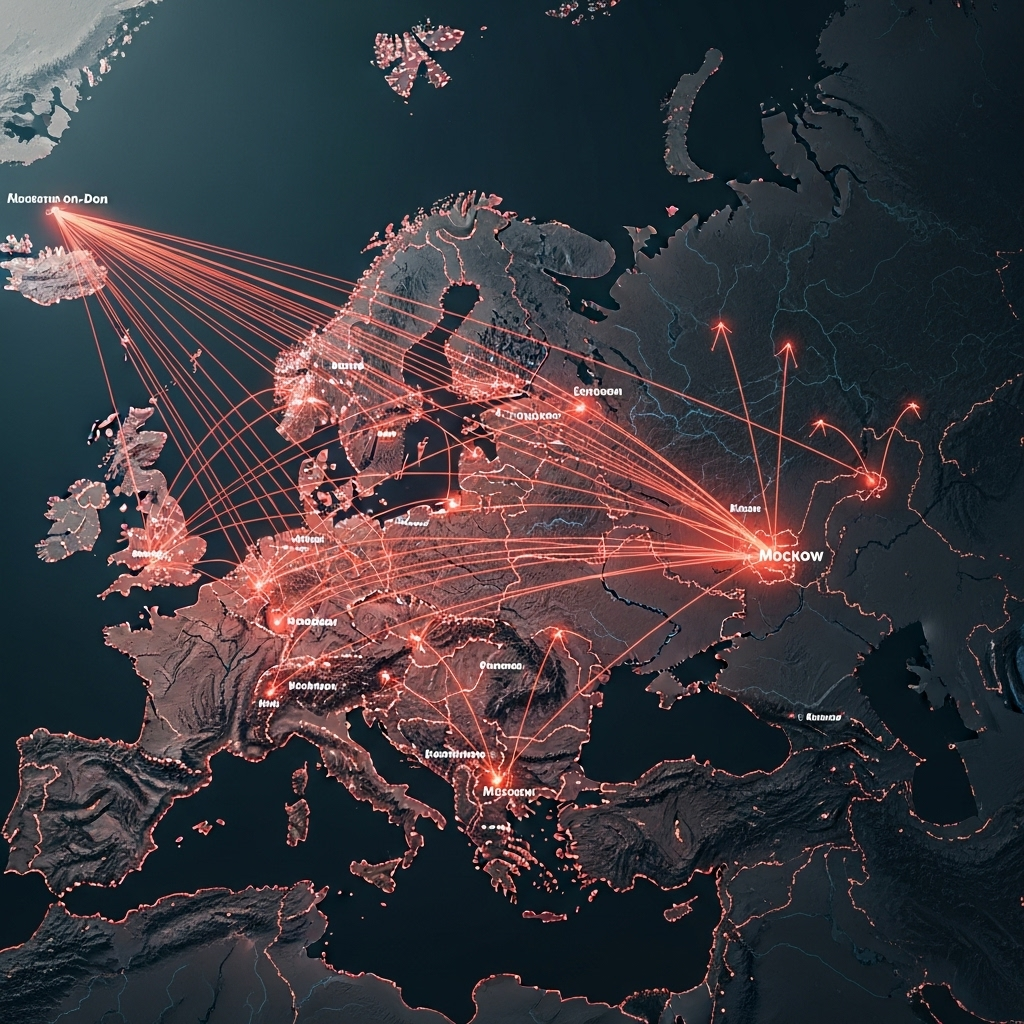
According to statements from the Russian Ministry of Defence (MoD), the wave of attacks was widespread, targeting several key regions. The MoD reported that air defense units were activated across southern and western Russia, including the Bryansk, Belgorod, Kursk, and Voronezh oblasts, all of which border Ukraine. Additional drones were reportedly intercepted over the Rostov region, home to critical military command centers, and even further inland.
The primary targets of such large-scale drone attacks are typically strategic assets. These can include:
- Energy Infrastructure: Oil refineries, fuel depots, and electrical substations are frequent targets, aimed at crippling Russia’s war economy and fuel supply to its military.
- Military Logistics: Ammunition dumps, command posts, and airfields are high-value targets intended to disrupt the Russian army’s ability to operate effectively.
- Defense Industry: Factories producing military hardware, including drones and missiles, have also been singled out in previous Ukrainian strikes.
While Moscow claimed all incoming drones were either shot down or neutralized through electronic warfare, local governors in several regions reported falling debris. In the Belgorod region, the governor stated that debris from an intercepted drone caused minor damage to a non-residential building, but no casualties were reported. The sheer volume of the assault, however, is designed to overwhelm air defense systems, with the hope that even a small percentage of drones can penetrate and hit their intended targets.
Russia’s Response to the 221 Drones
The Russian MoD was quick to declare the defensive operation a success. In a public statement, the ministry claimed that its “layered air defense systems, including Pantsir-S missile systems and electronic warfare units, effectively repelled the terrorist attack.” The claim that all 221 drones were neutralized is a powerful message intended to reassure the Russian public of the military’s capabilities.
However, verifying such claims independently is extremely difficult. Military analysts suggest that even in a successful interception scenario, the economic cost is significant. The missiles used to shoot down relatively inexpensive drones are often far more costly. Furthermore, forcing Russia to deploy advanced air defense systems to protect its interior diverts those valuable assets from the front lines in Ukraine.
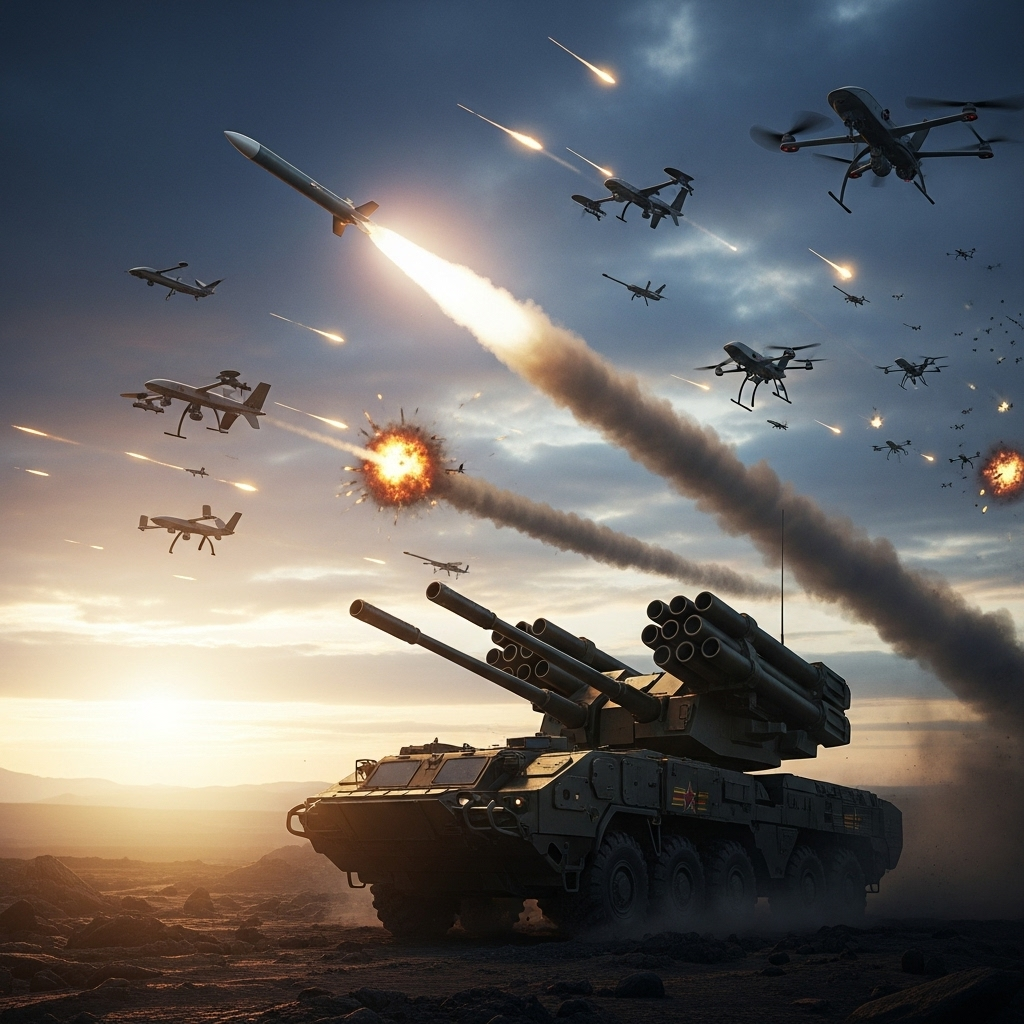
This constant pressure on Russian air defenses is a key part of Ukraine’s strategy. By launching large, coordinated swarms, Ukraine tests for weaknesses, forces Russia to expend expensive munitions, and creates a persistent threat that impacts both military planning and civilian morale. For more details on Russian air defense capabilities, you can read our previous analysis on the S-400 system.
The Strategic Implications of Large-Scale Drone Warfare
The alleged launch of 221 drones in a single night marks a new phase in the conflict’s attritional warfare. For Ukraine, these long-range strikes serve multiple strategic purposes beyond just causing physical damage. They demonstrate an evolving technological and operational sophistication, proving Kyiv can hold Russian territory at risk.
This capability serves as a powerful psychological tool. It brings the reality of the war to the Russian populace, challenging the Kremlin’s narrative that the “special military operation” is a distant conflict with minimal impact at home. Air raid sirens and reports of downed drones in Russian cities can erode public support and create internal pressure on Moscow’s leadership.
From a military perspective, these attacks force Russia into a defensive posture. Resources must be reallocated to protect a vast territory, stretching logistical chains and potentially creating vulnerabilities elsewhere. Every drone that needs to be tracked and intercepted is a drain on Russian military resources that could otherwise be used for offensive operations in Ukraine.
The Wider Context of the Drone War
This massive drone assault did not occur in a vacuum. It is part of a continuous, tit-for-tat escalation of drone and missile strikes by both sides. Russia has relentlessly targeted Ukrainian cities and energy infrastructure with its own arsenal of Shahed drones and cruise missiles. In response, Ukraine has invested heavily in developing a domestic drone industry to create a symmetric and asymmetric counter-threat.
The technological race is relentless. Both sides are constantly innovating, developing drones with longer ranges, better navigation systems resistant to jamming, and more potent warheads. This dynamic has turned the skies over both countries into a highly contested electronic battlefield. For more information on the types of drones used in the conflict, reputable sources like the Reuters news agency provide ongoing coverage.
The alleged attack with 221 drones is a testament to Ukraine’s success in scaling up its production and operational planning. It transforms the drone from a tactical weapon on the battlefield into a strategic tool capable of influencing the broader course of the war.
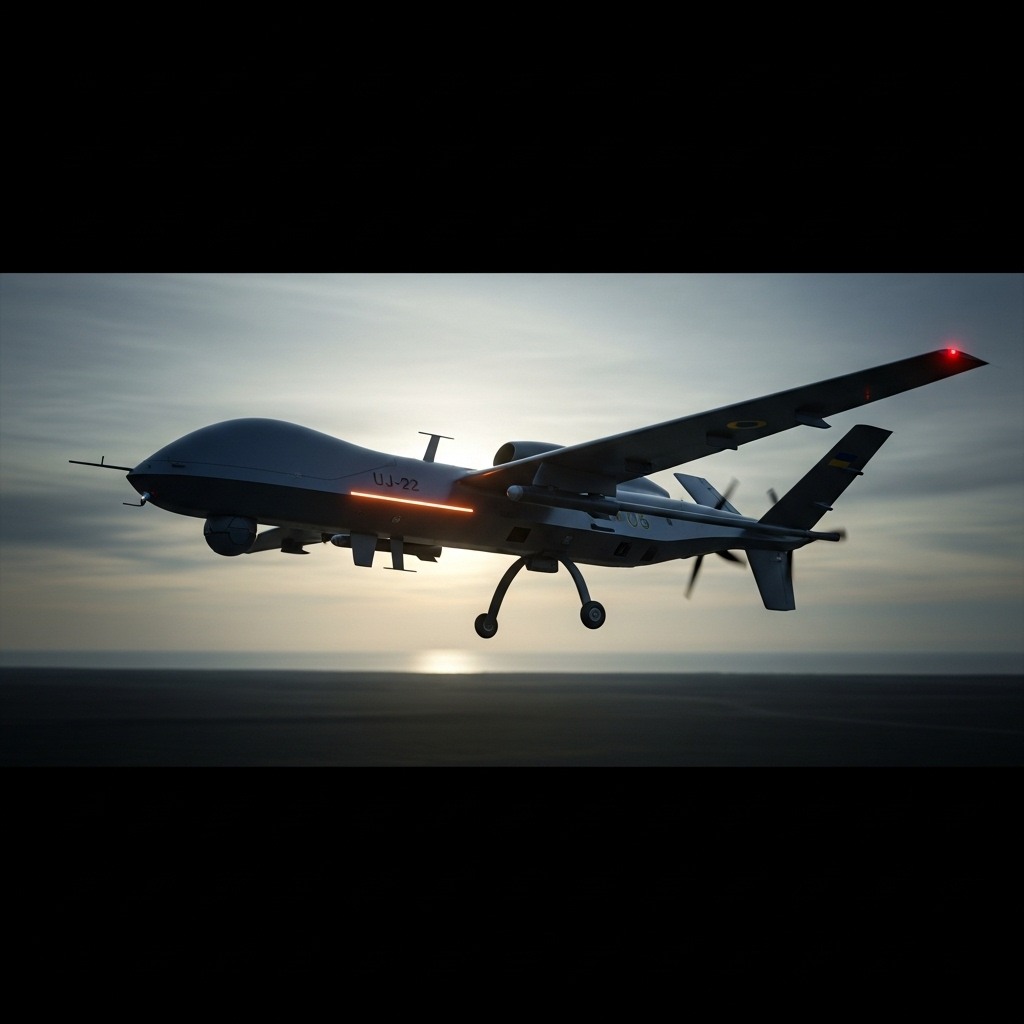
In conclusion, while Moscow’s claim of thwarting an attack by 221 drones is a bold declaration of its defensive strength, the event itself underscores Ukraine’s growing ability to project power deep inside Russia. Regardless of the exact number of drones that reached their targets, the operation represents a significant strategic and psychological blow to the Kremlin. It confirms that the drone war is not only continuing but also escalating in both scale and sophistication, and it will remain a defining feature of this conflict for the foreseeable future.


