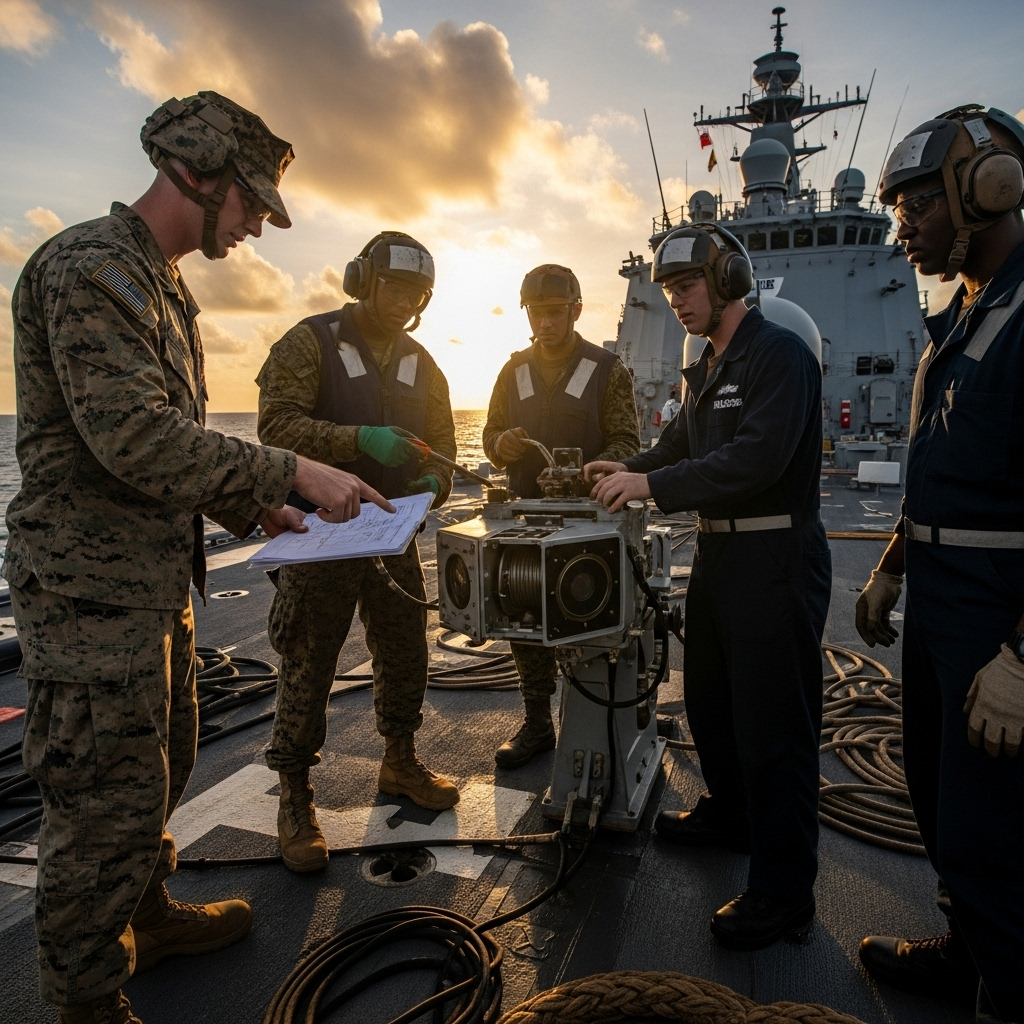
US Deployment in Caribbean: 1 Official Denies Training
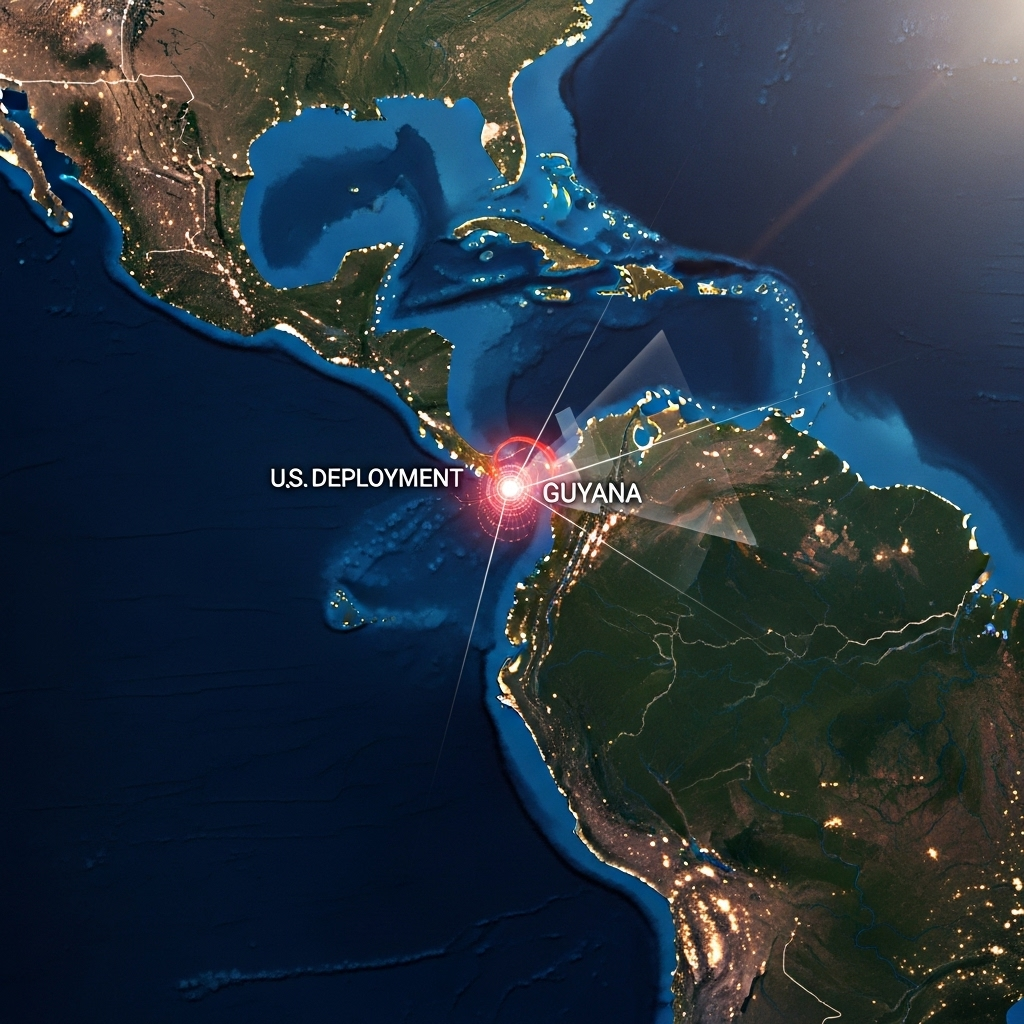
A senior defense official has pushed back against speculation surrounding a recent us deployment to the Caribbean, stating unequivocally that the mission does not involve training local military forces. The clarification comes amid heightened regional tensions and a swirl of rumors about the true purpose of the American military presence near the coast of Guyana.
The statement aims to quell concerns that the deployment is a preparatory step for a more involved military engagement in the ongoing territorial dispute between Guyana and Venezuela. Instead, the official characterized the mission as a “routine joint operation” focused on maritime security and counternarcotics.
Table of Contents
The Official Statement: Clarifying the Mission’s Scope
Speaking on the condition of anonymity, a Department of Defense official directly addressed the rumors. “Let me be clear: this is not a training mission,” the official stated in a briefing call with reporters. “The narrative that we are there to train the Guyana Defence Force for a specific contingency is inaccurate. This is a pre-planned, partnership-building operation.”
The official emphasized that the activities are being conducted under the purview of the U.S. Southern Command (SOUTHCOM) and are consistent with long-standing agreements in the region. The primary goals, according to the statement, are to enhance maritime domain awareness and interdict illicit trafficking routes, which plague many parts of the Caribbean.
This denial is significant as it attempts to de-escalate the political rhetoric surrounding the deployment. Observers had pointed to the inclusion of certain specialized units as a sign that the mission’s scope was broader than publicly acknowledged. However, the official maintained that the force composition is standard for the stated objectives of ensuring “a secure and stable hemisphere,” a common refrain from SOUTHCOM leadership.
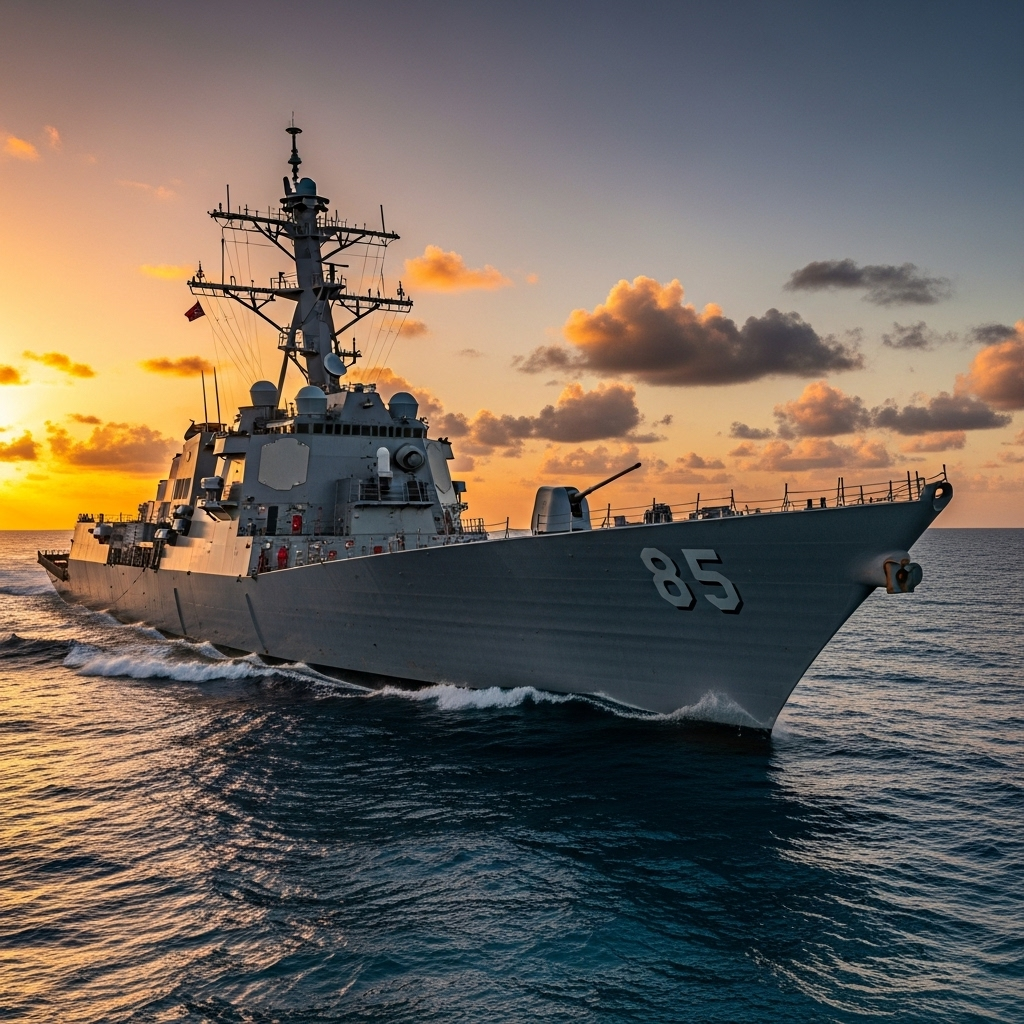
Details of the US Deployment in the Caribbean
While specifics on unit numbers and vessel names remain guarded, the current us deployment is understood to involve elements of the U.S. Navy and Coast Guard. The operation centers on joint patrols with the Guyana Defence Force Coast Guard in Guyana’s Exclusive Economic Zone (EEZ). This area has recently seen increased activity, not just from illegal fishing operations but also related to the burgeoning offshore oil industry.
The Pentagon’s public-facing statements have described the mission as part of the “Enduring Promise” initiative, a long-running series of deployments in the region. Activities typically include:
- Joint maritime and aerial patrols to detect and deter illegal activities.
- Information sharing and communication exercises to improve interoperability.
- Logistical support and subject matter expert exchanges (SMEE) on topics like maritime law enforcement and search and rescue.
The key distinction officials are drawing is that these expert exchanges are not the same as a formal training program designed to build combat capability. For more information on SOUTHCOM’s general strategy, you can review our analysis of their latest posture statement.
Regional Tensions and Speculation
The context for this controversy is the decades-old, but recently inflamed, territorial dispute between Guyana and Venezuela over the Essequibo region. This vast, resource-rich area comprises about two-thirds of Guyana’s land mass. Venezuela’s renewed claims have grown more assertive following massive offshore oil discoveries within Guyana’s territory.
This geopolitical backdrop is why the us deployment, no matter how routine, is viewed with suspicion by Caracas and some regional actors. Venezuelan officials have previously condemned similar US-Guyana cooperation as “provocation” and an attempt by Washington to meddle in the dispute. The speculation that the US was conducting training was seen by some as evidence that Washington was actively helping Guyana prepare for a potential military confrontation.
The official’s denial is a diplomatic move to reassure all parties that the United States is not taking a direct military side in the conflict, even while it politically supports Guyana’s territorial integrity. For a deeper dive into the conflict, see this report from the Reuters news agency.
Distinguishing Between Training and Joint Operations
The official’s denial hinges on a subtle but crucial distinction in military terminology. Understanding this difference is key to interpreting the situation.
A “training mission” typically implies a one-way transfer of skills. It is designed to build the capacity of a partner force, often from a basic level, to perform specific tasks or operate new equipment. It suggests a focus on preparing that force for future, independent action.
In contrast, a “joint operation” or “combined exercise” implies a partnership where two or more forces work together toward a common, immediate goal. While skills and best practices are inevitably shared, the primary purpose is the mission itself—in this case, patrolling a maritime area. The focus is on interoperability and achieving a shared objective here and now.
By framing the us deployment as a joint operation, the Pentagon is signaling that this is about cooperation, not preparation for war. It portrays the US and Guyanese forces as peers working together, rather than a teacher-student relationship aimed at building an anti-Venezuela proxy force.
Past Precedents and Future Implications
The United States has a long history of military deployments in the Caribbean and Latin America, with missions often carrying multiple strategic objectives. From counternarcotics operations in the 1980s and 90s to humanitarian assistance and disaster relief missions, a US military presence is not new to the region.
However, deployments that occur in proximity to active geopolitical flashpoints always attract greater scrutiny. This latest mission will be watched closely by all regional powers, including Brazil and other members of CARICOM (the Caribbean Community). The official denial of a training component is a critical piece of that strategic messaging.
The future implications are significant. If the joint operations are successful and perceived as non-threatening by neighbors, they could become a model for future security cooperation in the region. Conversely, if Venezuela perceives the mission as a cover for more substantial military support to Guyana, it could lead to an escalation of rhetoric or even provocative actions. For now, the official US posture is one of routine partnership, a message the Pentagon is working hard to control.