
US Pilot Freed After 45 Days at Antarctic Air Base
After an unexpected and grueling 45-day stay at McMurdo Station, a US pilot has finally been flown out of Antarctica, concluding an ordeal brought on by a sudden and severe weather event. Captain Eva Rostova, a seasoned Air National Guard pilot, was stranded on the icy continent after a routine logistics mission went awry, testing her resilience and highlighting the unpredictable nature of the world’s most remote outpost.
The Sudden Isolation at McMurdo
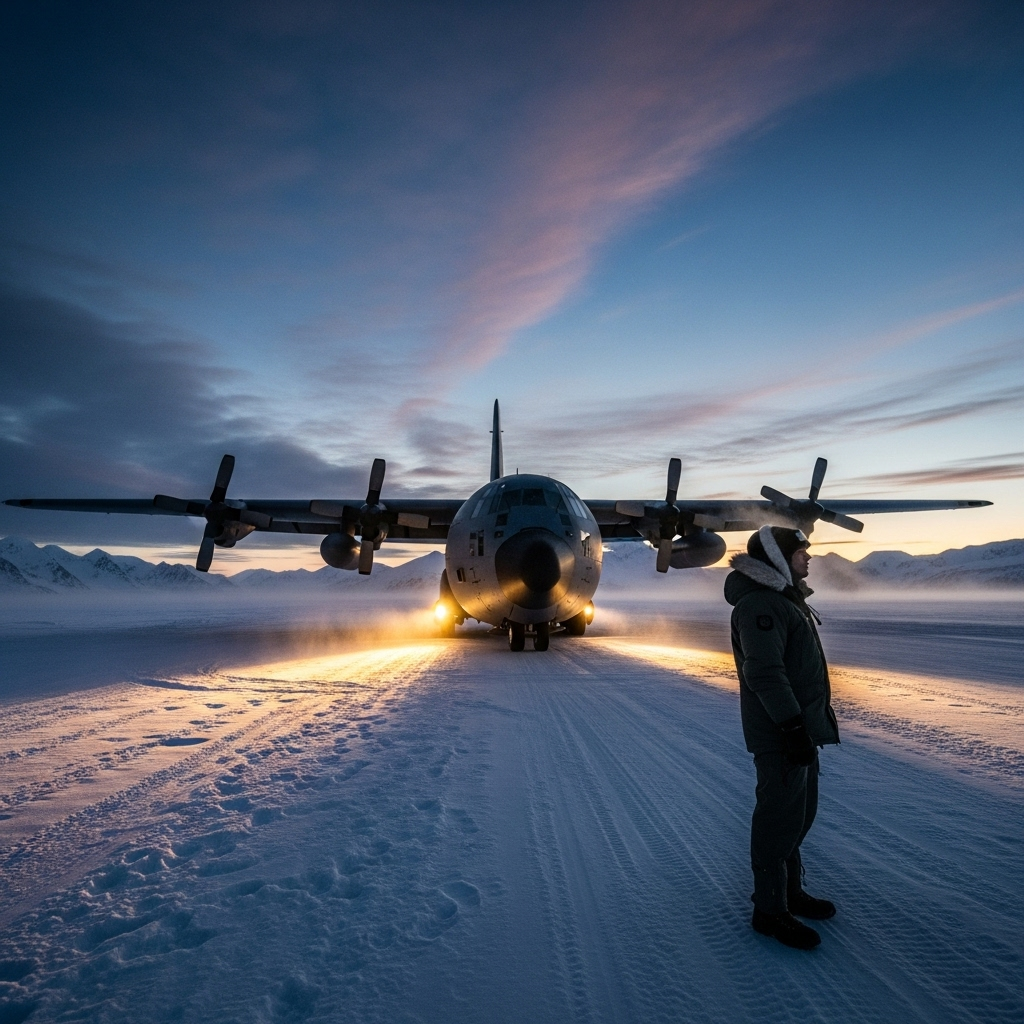
Captain Rostova’s mission began as a standard supply run. Piloting a C-130 Hercules, she was part of an operation to deliver critical scientific equipment and personnel to the U.S. Antarctic Program (USAP). After successfully landing and offloading cargo at the Phoenix Airfield near McMurdo Station, the weather took a dramatic turn for the worse.
What was forecasted as a manageable weather system rapidly intensified into a “Condition 1” storm—the most severe weather classification in Antarctica. This involves hurricane-force winds, zero visibility, and wind chills dropping below -75°C (-100°F). All flight operations were immediately and indefinitely suspended, leaving Rostova and her small flight crew grounded.
“One moment we were preparing for takeoff, and the next, the entire world outside vanished into a wall of white,” Rostova recounted in a later statement. “The protocol is clear: in Condition 1, you don’t go outside for any reason. The plane wasn’t going anywhere, and neither were we.”
Life in Isolation: A Test of Resilience for the US Pilot
While the initial storm subsided after a few days, a persistent and unusually stable block of severe weather systems settled over the region, preventing any rescue or departure flights. What was meant to be a few hours on the ground turned into a six-week stay. For the stranded US pilot, this meant adapting to a completely new way of life.
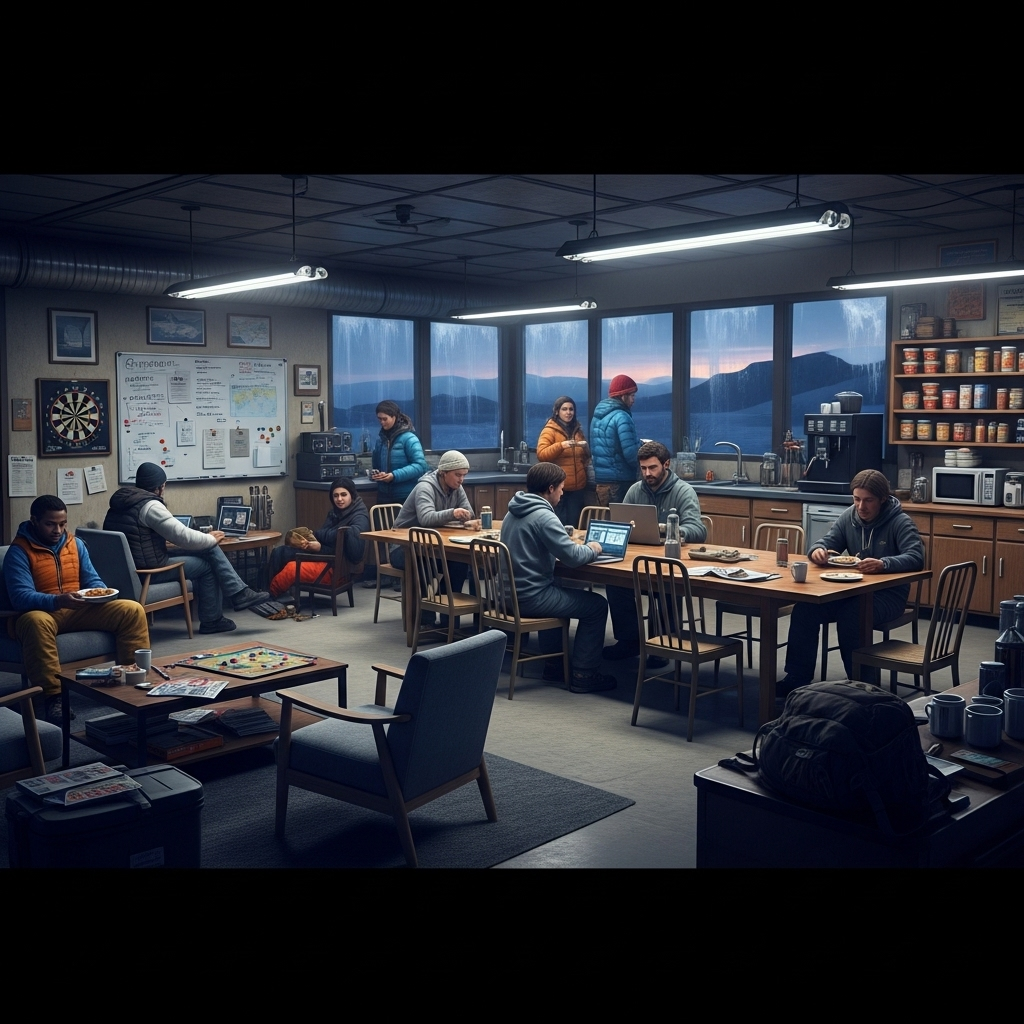
Captain Rostova integrated with the “winter-over” crew at McMurdo Station, the skeleton staff of scientists and support personnel who remain on the continent through the dark, harsh Antarctic winter. Rather than waiting idly, she put her technical skills to use. She assisted the station’s mechanics with vehicle maintenance, provided impromptu lectures on aviation meteorology to interested scientists, and participated in the daily chores that keep the base running.
The experience, while challenging, was also one of profound community. “You form a unique bond down there,” she explained. “Everyone relies on everyone else. There’s no room for ego. Whether you’re a PhD physicist or a pilot, you’re all just people trying to survive and do your job in an extreme environment.”
Maintaining psychological fortitude was the biggest challenge. The crew had access to communication facilities to contact family, but the physical isolation and the uncertainty of their departure date weighed heavily. Station leadership and mental health support personnel were crucial in helping the stranded crew manage the stress.
The Complex Logistics of a Polar Rescue
Freeing Captain Rostova and her crew was not a simple matter of waiting for the clouds to part. Antarctic rescue operations are among the most logistically complex in the world. The National Science Foundation (NSF), which manages the USAP, worked tirelessly with military and civilian partners to coordinate a plan.
The primary obstacles were:
- Weather Windows: Planners needed a stable, predictable period of clear weather lasting long enough for a plane to fly in, land, collect the crew, and fly out safely. These windows were fleeting and difficult to forecast.
- Aircraft Readiness: A specialized, ski-equipped LC-130 had to be on standby in Christchurch, New Zealand, ready to depart at a moment’s notice. This requires immense coordination of crew rest, aircraft maintenance, and fuel logistics.
- Runway Conditions: Even after the storms, the runway on the ice shelf had to be inspected and cleared of snowdrifts to ensure it was safe for landing and takeoff.
After several false starts, a viable 12-hour weather window finally appeared in the forecast. The rescue mission was greenlit, and the LC-130 made the arduous 8-hour flight to McMurdo. The “hot-swap” on the ground was executed with military precision—the new crew disembarked, and Rostova’s team boarded. Within an hour of landing, the plane was airborne again, racing the clock before the weather closed in once more.
A Joyful Return Home
The arrival in Christchurch was met with cheers from fellow airmen and support staff. For Captain Rostova, the feeling was surreal. “Stepping off that plane and feeling relatively warm air, seeing green trees… it was overwhelming. You don’t realize how much you miss it.”
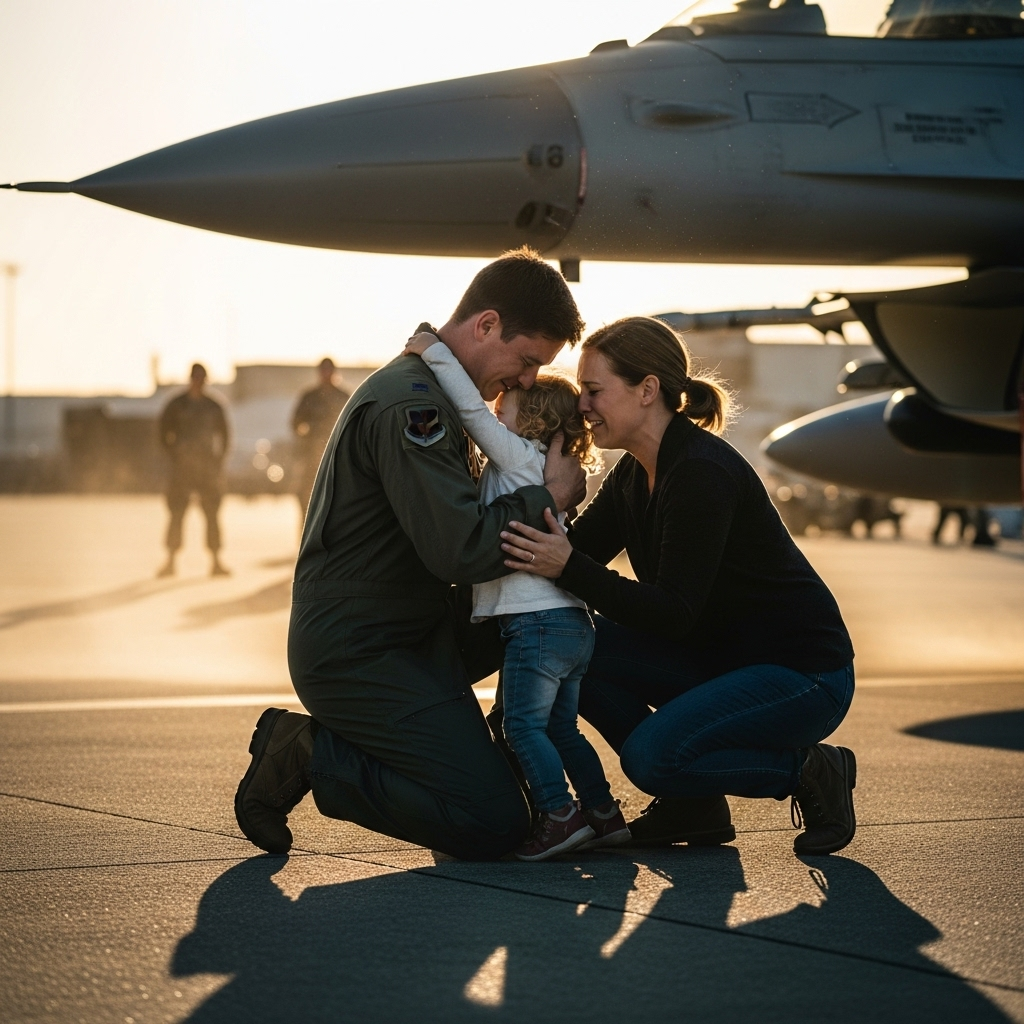
After medical evaluations and a thorough debriefing, she was flown back to the United States for an emotional reunion with her family. They had followed the daily updates on her situation with bated breath for over a month.
“I’m just incredibly grateful,” she stated, holding her family close. “Grateful for the team at McMurdo who made us feel like part of their family, and grateful for the immense effort it took to bring us home.” Her story stands as a powerful testament to the skill and courage of the pilots who brave the world’s harshest environments and the incredible support network that stands behind them. For more stories like this, check out our Aviation News section.
“`


