US support for capitalism at 59% hits new Gallup low
A recent poll from Gallup has revealed a significant shift in American sentiment, with positive views of capitalism dropping to 59%, a new low in the organization’s trend. This decline highlights a growing national conversation about economic systems and their effectiveness in the modern era. The latest data underscores a notable erosion in US support for the country’s long-standing economic framework, particularly among younger generations and those aligned with the Democratic party.
Contents
The Numbers in Detail: A Generational Divide in US Support
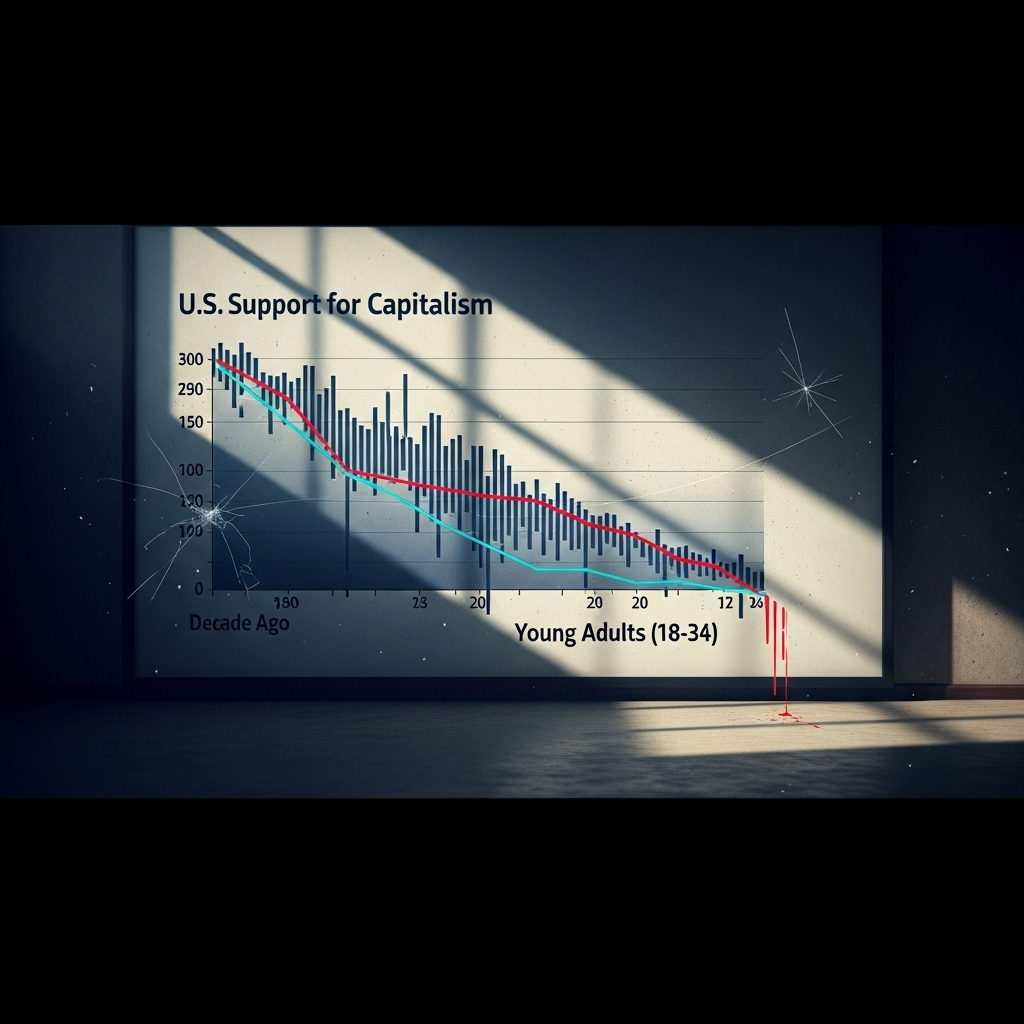
The headline figure of 59% only tells part of the story. When broken down by demographics, the data paints a picture of a nation deeply divided by age and political affiliation. According to the Gallup survey, the erosion of confidence is most pronounced among young Americans.
Among adults aged 18 to 29, views on capitalism are nearly evenly split, a stark contrast to older generations. While a strong majority of Americans aged 50 and older continue to view capitalism positively (upwards of 65%), younger adults are far more skeptical. This generational gap suggests that life experiences, from entering a post-2008 job market to grappling with student debt, have fundamentally shaped their economic perspectives.
The political divide is just as stark. Republicans remain staunchly supportive of capitalism, with their positive ratings consistently high. However, among Democrats, support has cratered. For the first time in Gallup’s polling, Democrats now have a more positive image of socialism than they do of capitalism. This signals a seismic shift within one of America’s two major political parties and is a key driver of the overall decline in US support.
What’s Driving the Decline in Support?
Experts point to a confluence of economic pressures and perceived systemic failures as the primary drivers behind capitalism’s waning popularity. For many Americans, particularly millennials and Gen Z, the promise of upward mobility feels increasingly out of reach.
Key factors include:
- Economic Inequality: The visible and growing gap between the wealthiest Americans and the rest of the population has fostered a sense of unfairness. Stories of CEOs earning hundreds of times more than their average worker resonate deeply with those struggling to make ends meet.
- The Cost of Living Crisis: Stagnant wages have failed to keep pace with the soaring costs of essentials. Healthcare, housing, and education have become immense financial burdens, leading many to question if the current system is working for them.
- Student Loan Debt: With national student loan debt exceeding $1.7 trillion, millions of Americans begin their careers under a mountain of financial obligation, delaying traditional life milestones like homeownership and starting families.
- The 2008 Financial Crisis: The memory of the 2008 crash and the subsequent bailout of large financial institutions—while many ordinary citizens lost their homes—left a lasting scar. It created a powerful narrative that the system is “rigged” to protect the powerful at the expense of the vulnerable.
These persistent economic anxieties have chipped away at the core belief that hard work guarantees success in America, eroding the foundational trust required for robust US support of capitalism.
Socialism’s Rising Appeal: A Counter-Narrative
As faith in capitalism falters, an alternative is gaining traction. The term “socialism,” once a political third rail in American discourse, is now viewed positively by 41% of Americans, according to Gallup. Among Democrats, that number is 57%, putting it ahead of capitalism.
It’s crucial to understand what most Americans mean when they say they support socialism. For the vast majority, this does not imply a desire for a state-controlled, authoritarian economy. Instead, it typically refers to the principles of democratic socialism seen in many European countries. This includes policies like universal healthcare, tuition-free college, a robust social safety net, and stronger regulations on corporations.
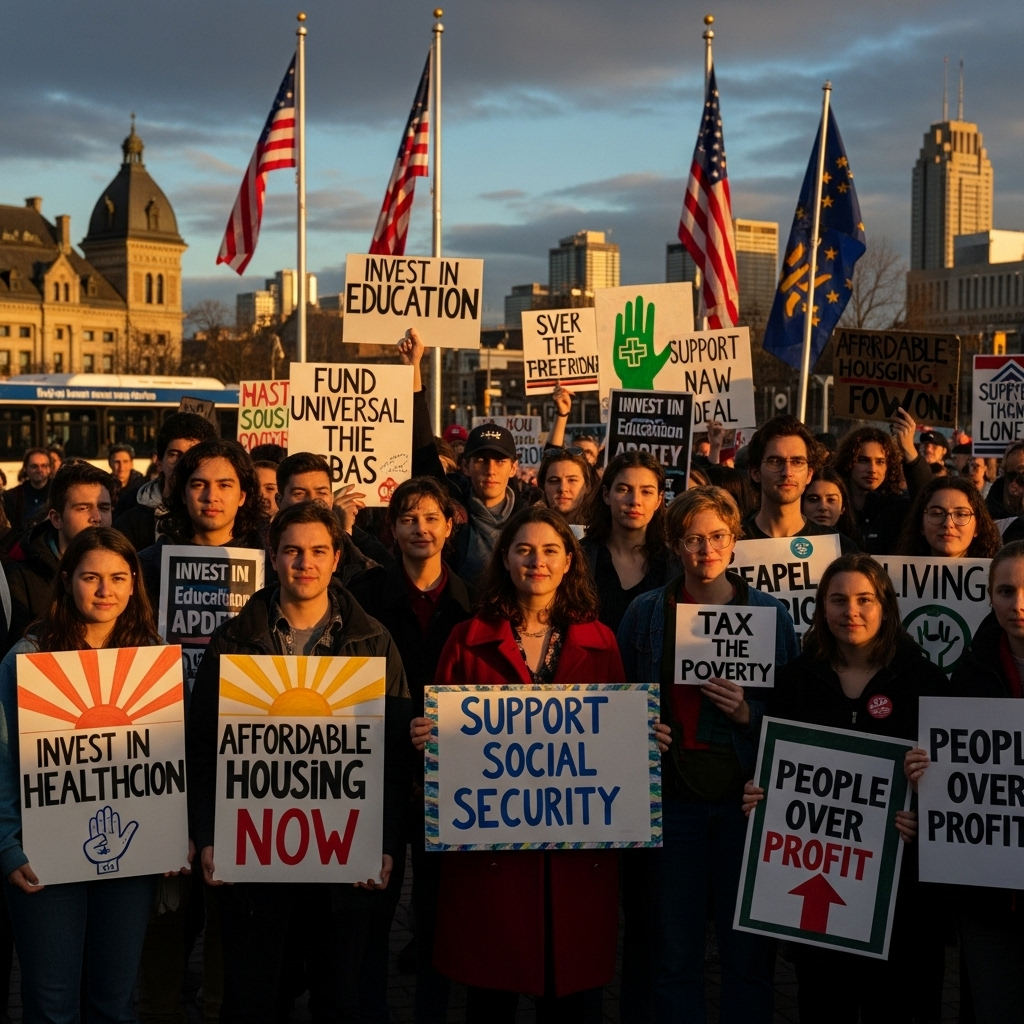
Political figures like Senator Bernie Sanders and Representative Alexandria Ocasio-Cortez have successfully brought these ideas into the mainstream. They have reframed the debate, arguing that these policies are not radical but are moral and economic imperatives. This new narrative provides a compelling alternative for those who feel left behind by the current iteration of American capitalism.
The growing positive sentiment towards socialism is a direct reflection of the dissatisfaction with the status quo. It represents a search for a system that prioritizes collective well-being and provides a greater degree of economic security.
Political Implications and the Path Forward
This ideological shift carries profound implications for the future of American politics. The Democratic party is currently grappling with this internal identity crisis, as the progressive wing, energized by socialist ideas, challenges the more moderate, pro-capitalist establishment. Policy debates around a wealth tax, the Green New Deal, and Medicare for All are no longer on the fringe; they are central to the party’s platform.
For Republicans, this trend offers a clear political foil. Portraying Democrats as radical socialists has become a core messaging strategy. However, they also face the challenge of addressing the real economic pain that is fueling this shift in the first place. Simply defending capitalism may not be enough if a large portion of the electorate feels the system is failing them.
Ultimately, the decline in US support for capitalism is a powerful signal that the American public is hungry for change. The debate is no longer about whether to tweak the existing system but is increasingly about fundamentally reimagining its structure and purpose. As younger, more skeptical generations gain more political and economic power, this conversation is only set to intensify.
The path forward remains uncertain, but one thing is clear: the consensus around American capitalism has fractured. The coming years will likely be defined by a national struggle to define a new economic identity that can command the support of a divided and anxious public. For more in-depth analysis, you can review data from organizations like the Pew Research Center.