
more protests at the 2023 Vuelta: Organizers Have No Plan B
The 2023 Vuelta a España was supposed to be a celebration of cycling, a grueling three-week tour showcasing stunning Spanish landscapes and elite athletic performance. Instead, it will be remembered for a constant barrage of disruptions, as more protests than ever before targeted the race, revealing a shocking lack of preparedness from the organizers, Unipublic. From attempted course sabotage to full-scale blockades, the race was repeatedly thrown into chaos, leaving riders, teams, and fans questioning the event’s viability and security.
While activism at major sporting events is not new, the scale and frequency of the actions at the Vuelta were unprecedented. It became clear very quickly that the organizers had no effective contingency plan, reacting to each incident on the fly rather than having a proactive strategy to manage the disruptions.
Article Contents
- 1. The Opening Salvo: Early Disruptions Set a Tense Tone
- 2. Escalation of Events: Why We Saw More Protests as the Race Progressed
- 3. Riders Caught in the Crossfire: Frustration and Fear in the Peloton
- 4. Organizers Under Fire: A Clear Lack of a “Plan B”
- 5. Lessons Unlearned? Implications for Future Grand Tours
The Opening Salvo: Early Disruptions Set a Tense Tone
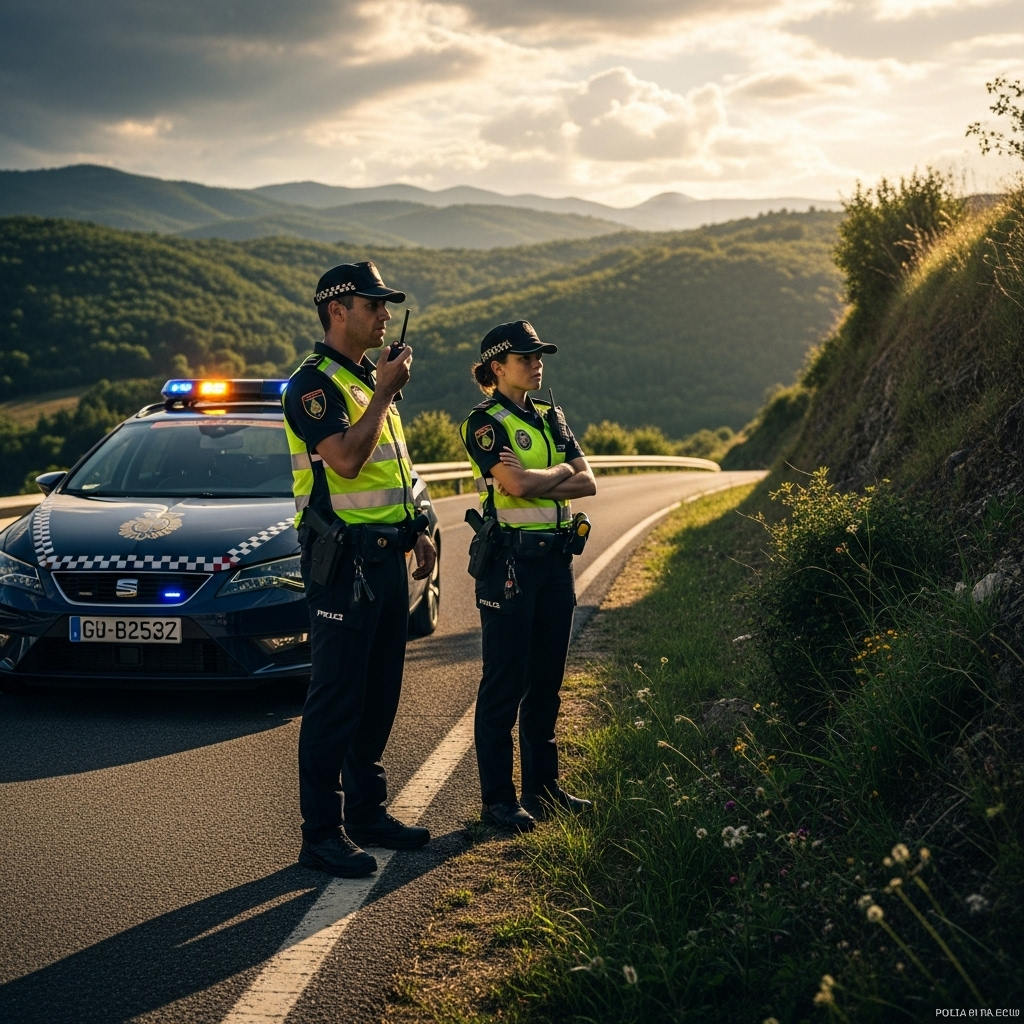
The trouble began even before the race’s official start. In the days leading up to the Grand Depart in Barcelona, Catalan independence activists and environmental groups signaled their intent to use the Vuelta’s massive global platform. The first major incident occurred during Stage 1, a team time trial, where protesters attempted to spill hundreds of liters of oil onto the course. Thankfully, local police thwarted the attempt just hours before the riders were set to pass.
This initial act of sabotage was a clear warning shot. However, the race organizers seemed to treat it as an isolated incident. Their public statements focused on thanking the police and assuring the public that the race would continue safely. There was little to no communication about enhanced security measures or alternative route planning, an omission that would prove costly as the race moved forward.
These early actions, though largely unsuccessful, created an atmosphere of anxiety. Teams and riders were on high alert, but the race itself proceeded as if nothing was fundamentally wrong, a decision that seemed naive in hindsight. For more details on the race’s route, you can visit the official Vuelta a España website.
Escalation of Events: Why We Saw More Protests as the Race Progressed
As the Vuelta progressed, so did the intensity and creativity of the protests. The initial foiled attempts seemed to galvanize various groups, leading to more protests that were harder to predict and prevent. Activists from groups like Futuro Vegetal and Extinction Rebellion saw the media attention as a success and doubled down on their efforts to disrupt the race and broadcast their message about climate change and agricultural policies.
The tactics evolved. Instead of large, easily detectable plots, protesters shifted to smaller, more agile methods:
- Tacks on the Road: On multiple stages, riders experienced a rash of punctures after tacks were scattered across the road surface. This posed a direct and serious danger, risking high-speed crashes and severe injuries.
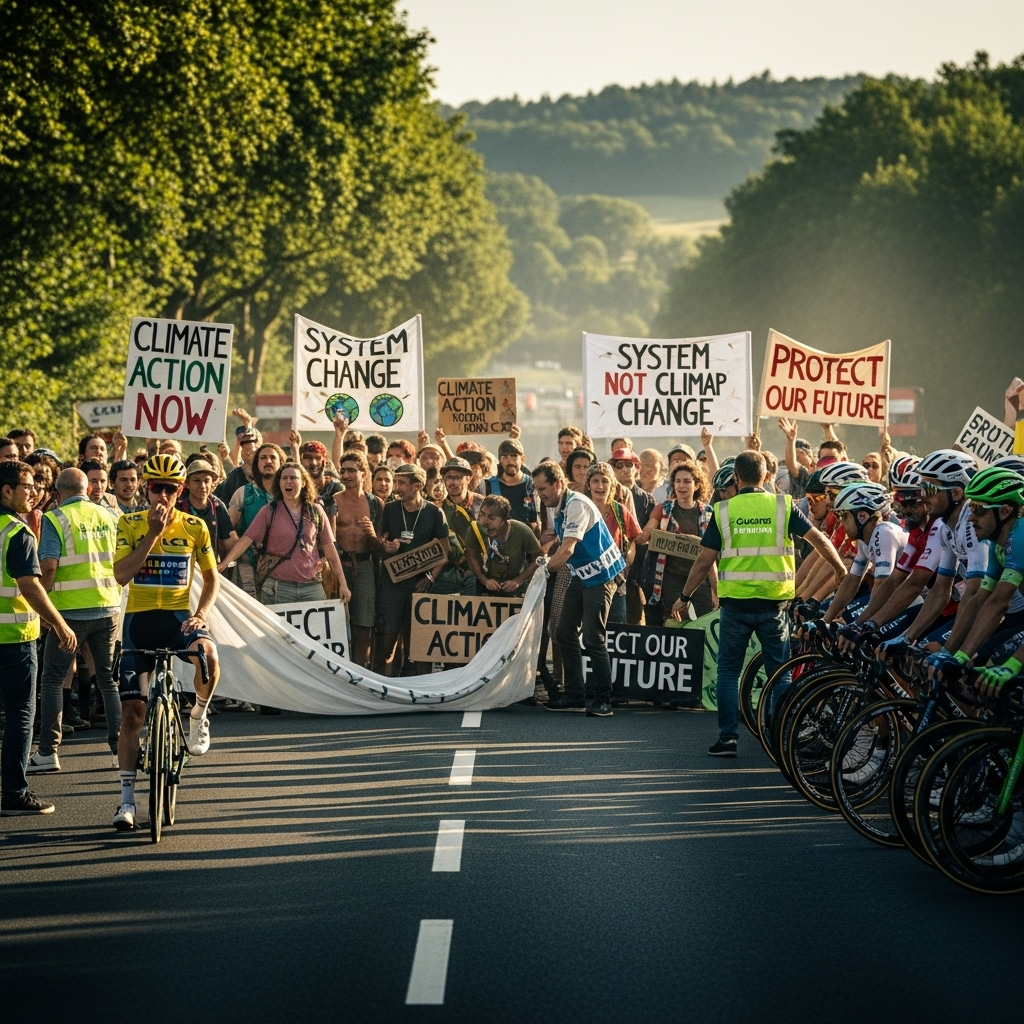
- Human Blockades: Protesters chained themselves together, blocking key sections of the route and forcing stages to be neutralized or rerouted at the last minute. This caused significant delays and logistical nightmares.
- Brief Incursions: Individuals would run onto the course just as the peloton approached, creating moments of chaos before being apprehended by security or the Guardia Civil.
The constant threat of disruption took a psychological toll. The race was no longer just a battle against opponents and the elements; it became a game of dodging unforeseen hazards. The organizers’ inability to secure the entirety of the 200km-plus courses became painfully evident, and the continued incidents suggested a reactive, rather than a proactive, security posture.
Riders Caught in the Crossfire: Frustration and Fear in the Peloton
The ones most directly affected by the chaos were, of course, the riders. While some expressed sympathy for the protesters’ causes, the overwhelming sentiment was one of frustration and fear. Their workplace had become a protest ground, and their safety was being compromised.
Reigning champion Remco Evenepoel was one of the most vocal critics. After a crash following the finish line of Stage 3, unrelated to protests but highlighting the general chaos, he stated, “It’s dark, it’s super dangerous. It’s a bit of a shame. Our safety is not guaranteed at all.” This sentiment was echoed throughout the peloton regarding the protests. Riders felt exposed and unprotected.
The professional cyclists’ union, the CPA, issued statements calling for better safety measures, but their pleas seemed to fall on deaf ears. The organizers were caught in a bind: completely securing a route that spans thousands of kilometers is nearly impossible, but their failure to adapt was glaring. The situation created a rift, with riders feeling that their concerns were being sacrificed for the sake of “the show must go on.” For more analysis on rider reactions, check out our cycling news section.
Organizers Under Fire: A Clear Lack of a “Plan B”
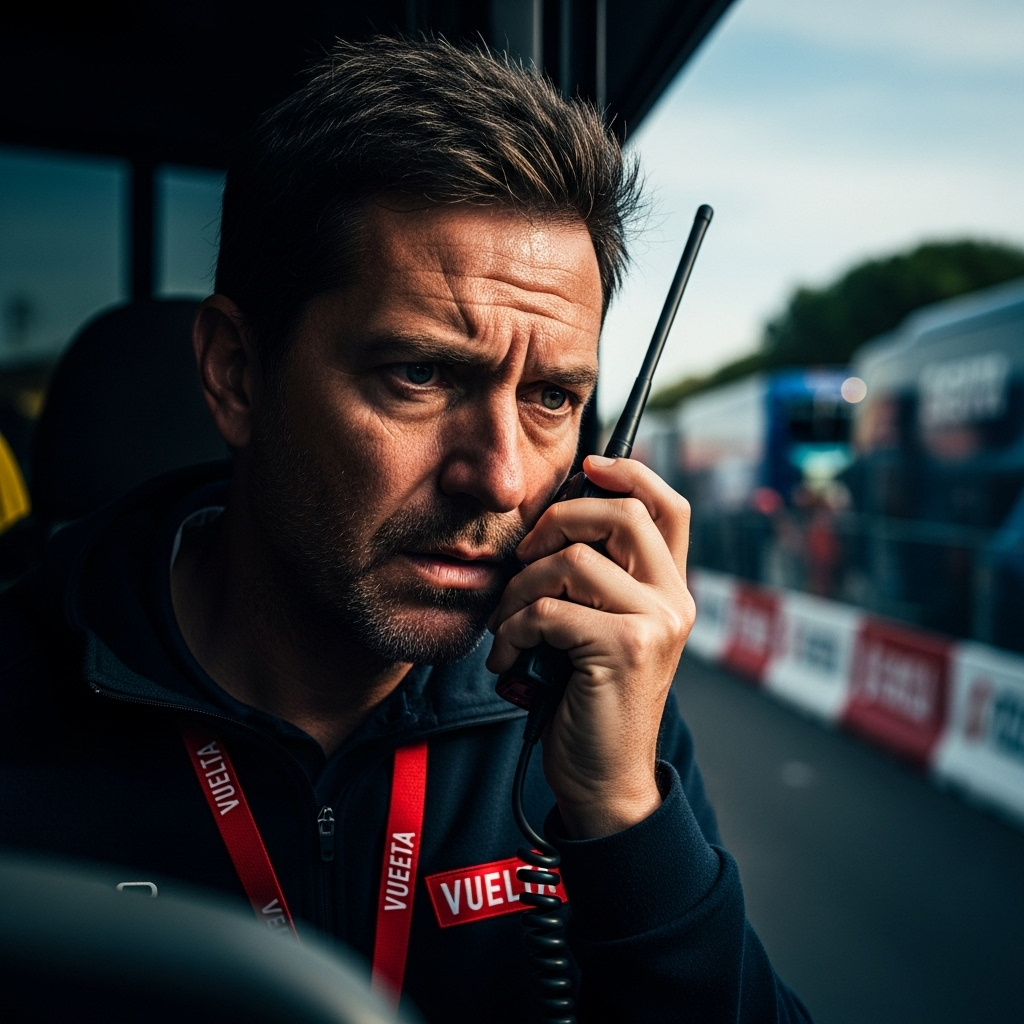
The headline-grabbing phrase of the tour became “no Plan B.” It perfectly encapsulated the organizational response from Unipublic. When a stage was blocked, the solution was often to simply neutralize the race clock and have the riders proceed slowly past the incident. When tacks caused dozens of punctures, the response was a quick sweep and a shrug.
Experts in event management and security were stunned by the apparent lack of contingency planning. A Grand Tour is a massive, mobile event that requires military-grade logistics. A modern risk assessment should have included robust plans for:
- Pre-vetted alternate routes for key sections of each stage.
- Rapid deployment security teams to address pop-up disruptions.
- Clear communication protocols with teams and riders about changes.
- Engagement with activist groups ahead of the race to de-escalate tensions.
None of these appeared to be in place. The organizers were consistently one step behind the protesters. This failure not only endangered the athletes but also damaged the reputation of the Vuelta, one of cycling’s three revered Grand Tours. As top cycling publication Cyclingnews reported, the constant disruptions overshadowed the actual race for supremacy between the top contenders.
Lessons Unlearned? Implications for Future Grand Tours
The 2023 Vuelta a España served as a stark wake-up call for the world of professional cycling. The success of the protesters in gaining international media attention means we are likely to see more protests, not fewer, at future events. The Tour de France and Giro d’Italia organizers were surely watching with concern.
Moving forward, race organizers can no longer afford to be reactive. They must invest heavily in intelligence gathering, proactive security, and genuine contingency planning. This may mean shorter stages, more circuit-based finishes that are easier to secure, or even engaging in dialogue with protest movements to understand their grievances.
If they fail to adapt, they risk not only the safety of the riders but the very integrity of the sport. A race decided by a protest-induced crash or a last-minute neutralization is not a fair contest. The 2023 Vuelta will go down in history, but perhaps not for the reasons the organizers would have hoped. It stands as a cautionary tale: in an era of heightened activism, having no Plan B is a plan to fail.
“`


