
True Berries: 5 Shocking Fruits That Aren’t What You Think
What if we told you that almost everything you know about berries is wrong? The strawberry in your shortcake? Not a berry. The raspberry on your thumb? Not a berry either. But the banana in your smoothie and the avocado on your toast? You guessed it—they’re berries.
Welcome to the wild and often confusing world of botanical classifications. While we use the term “berry” in the kitchen to describe any small, sweet, squishy fruit, scientists have a much stricter definition. This article will peel back the skin on this fruity facade and introduce you to the concept of true berries, revealing a few shocking members of the club.
What Are True Berries, Botanically Speaking?
Before we expose the impostors, we need to understand the rules. In botany, a berry is a fruit that meets three specific criteria:
- It must develop from a single flower with one ovary.
- It must have a soft outer skin (the exocarp) and a fleshy middle (the mesocarp).
- It must contain its seeds on the inside, often within the fleshy part (the endocarp surrounds the seeds).
Think of a grape. It comes from one flower, has a thin skin, a juicy middle, and contains seeds right in the center. That’s a textbook berry. The definition seems simple enough, but it’s this strict adherence that disqualifies many of our culinary favorites and includes some real botanical surprises.
The Great Berry Impostors
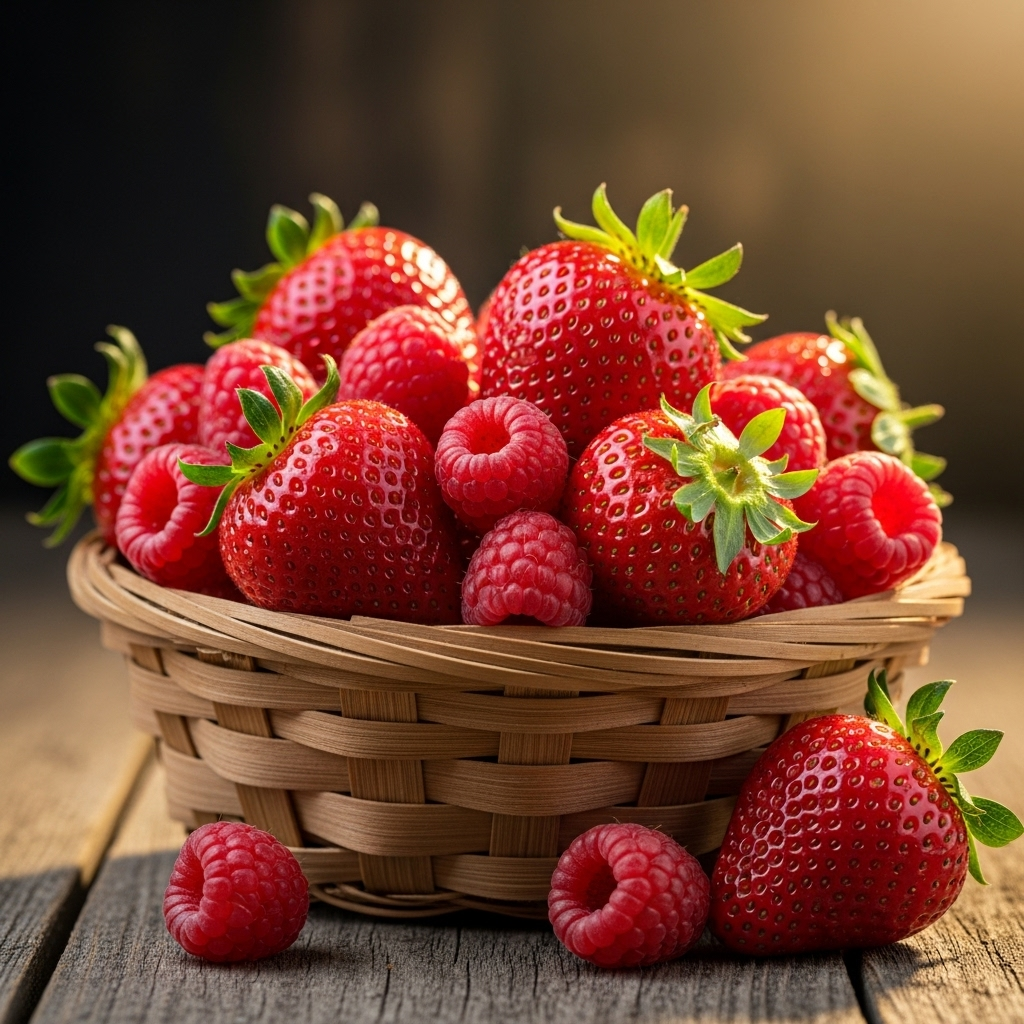
The most famous “berries” are actually frauds. Strawberries, raspberries, and blackberries fail the botanical test. Why?
Strawberries are what botanists call an “accessory fruit.” The fleshy red part we eat is actually the swollen receptacle of the flower. The “seeds” on the outside are the real fruits, each containing a single seed.
Raspberries and Blackberries are “aggregate fruits.” They develop from a single flower that has multiple ovaries, with each tiny drupelet forming its own mini-fruit. They are a cluster of tiny individual fruits, not one single fruit from one ovary.
5 Shocking Fruits That Are Actually True Berries
Now for the main event. Get ready to rethink your entire fruit basket. These five common foods are, scientifically speaking, members of the exclusive true berries club.
1. Bananas
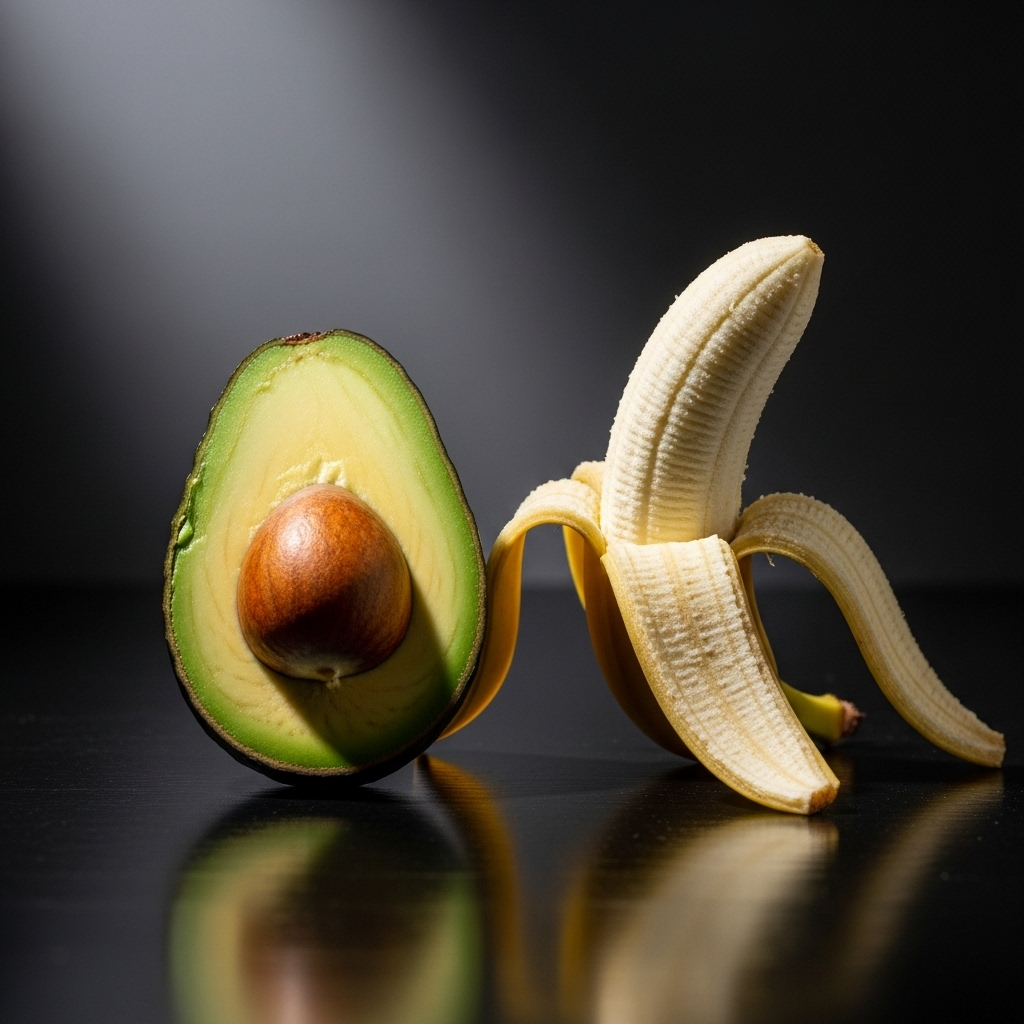
This is often the most shocking revelation. Bananas check all the botanical boxes. They grow from a flower containing a single ovary, have a leathery outer peel (exocarp), and a soft, fleshy interior (mesocarp). Those tiny black specks in the center of a store-bought banana? They are the plant’s sterile, immature seeds. Wild bananas have much larger, harder seeds.
2. Avocados
That’s right—your guacamole is made from a berry. An avocado is classified as a single-seeded berry. It has a tough skin (exocarp), a creamy green flesh (mesocarp), and the papery layer around the large central seed is the endocarp. It develops from a single flower with one ovary, making it a perfect, albeit unusually large, example of a berry.
3. Grapes
This one might feel less shocking and more like a “well, of course” moment. Grapes are the quintessential example that botanists use to teach the definition of a berry. They are the poster child for the entire category: single ovary, thin skin, fleshy middle, and internal seeds. They perfectly illustrate what defines true berries.
4. Watermelons
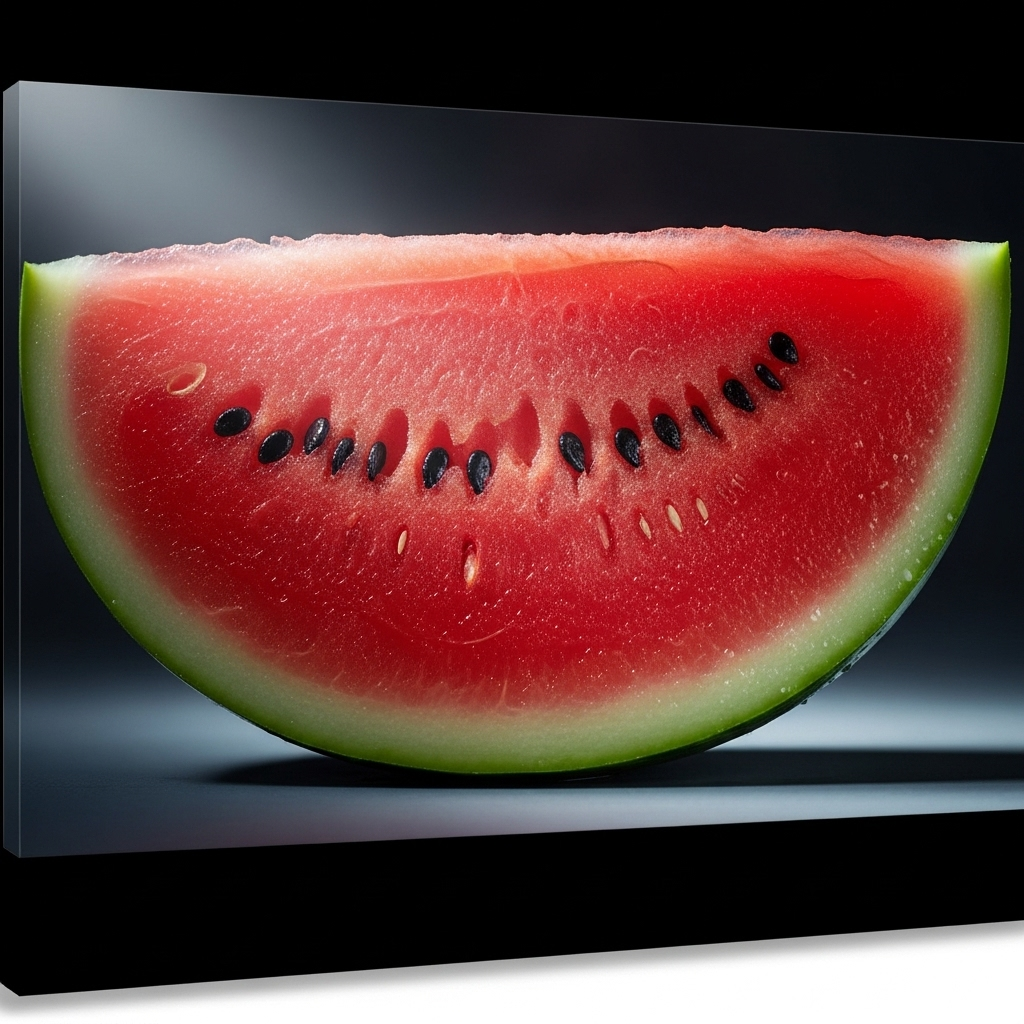
Here’s another mind-bender. Watermelons, along with their cousins like cucumbers, pumpkins, and cantaloupes, are a type of modified berry called a “pepo.” A pepo is a berry with a hard, thick rind. Despite their size and tough exterior, they still originate from a single ovary and hold their seeds within their fleshy interior, qualifying them for the berry family.
5. Tomatoes
The age-old “is it a fruit or a vegetable?” debate has a clear botanical answer: it’s a fruit, and more specifically, it’s a berry. Tomatoes grow from the flower’s ovary, they have a thin skin and a pulpy inside, and their seeds are contained within. In 1893, the Supreme Court case Nix v. Hedden legally declared the tomato a vegetable for trade and taxation purposes, but as any botanist will tell you, it’s a berry through and through. If you want to learn more about strange plant facts, you can explore our other articles!
Why Does This “True Berries” Distinction Matter?
For your day-to-day life, it probably doesn’t. Calling a strawberry a “berry” at the grocery store won’t cause any problems. These classifications are part of two different systems: culinary and botanical.
The culinary definition is based on flavor and use—small, sweet, and often used in desserts. The botanical definition is based on plant anatomy, development, and evolutionary relationships. This scientific precision is crucial for botanists, horticulturalists, and farmers who need to understand how plants grow, breed, and classify them properly.
For the rest of us, it’s a fantastic piece of trivia that reminds us how complex and fascinating the natural world really is. You can learn more about fruit classifications from academic resources like the Oregon State University Extension Service.
A New Perspective on Your Fruit Bowl
The world of fruit classification is a perfect example of how science can challenge our everyday assumptions. The next time you slice a banana for your cereal or mash an avocado for toast, you can confidently say you’re preparing a berry.
And that strawberry? It may not be a true berry, but it’s still delicious. The only difference is that now, you know its botanical secret.
“`


