WWD Timeline: 115 Years of Fashion History & Reporting
Women’s Wear Daily, often dubbed “the bible of fashion,” has been the industry’s most authoritative voice for over a century. This wwd timeline chronicles the publication’s journey from a humble trade journal to a global media powerhouse, capturing the seismic shifts in fashion, business, and culture along the way. Join us as we explore the key moments that defined WWD and the industry it covers.
Table of Contents
The Early Years: From Trade Rag to Fashion Bible (1910s-1940s)
The story of WWD begins on June 13, 1910. Founded by Edmund Fairchild, Women’s Wear Daily started as a supplement to the men’s trade publication, the Daily Trade Record. Its initial purpose was purely business-focused, providing information on materials, trends, and production for the burgeoning women’s garment industry.
During these formative decades, WWD’s pages were filled with sketches of the latest Parisian couture, reports on fabric availability, and news about department store buyers. It wasn’t about the glamour we associate with fashion today, but the nuts and bolts of the trade. However, it quickly became an indispensable tool for anyone in the apparel business.
Key moments from this era include:
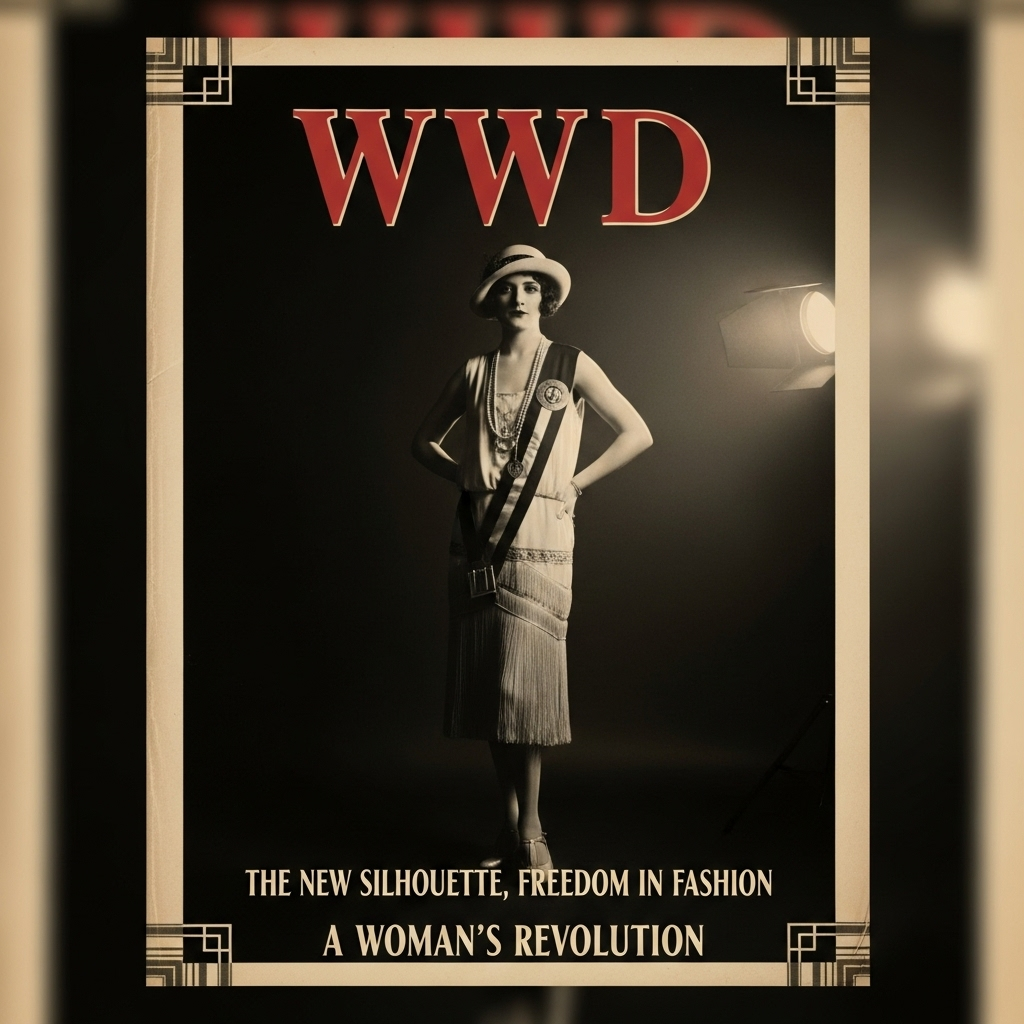
- 1920s: WWD established a strong presence in Paris, recognizing it as the epicenter of fashion. Its reporters were the first to send detailed sketches and reports on collections from designers like Coco Chanel and Jean Patou back to America.
- 1930s-1940s: The Great Depression and World War II shifted focus. WWD began championing American designers like Claire McCardell, who offered practical, stylish, and accessible clothing for a changing world. This pivot was crucial in establishing an independent American fashion identity.
The Post-War Boom and the Rise of Prêt-à-Porter (1950s-1960s)
The post-war era brought renewed prosperity and a thirst for newness. This is when WWD truly began its transformation under the leadership of John B. Fairchild, Edmund’s grandson, who took the helm in the late 1950s. Fairchild was a visionary and a provocateur who believed fashion news should be as compelling as front-page headlines.
He injected a new energy into the publication, introducing a sharp, often witty, and sometimes ruthless reporting style. He famously gave designers nicknames and wasn’t afraid to publish unflattering reviews. It was Fairchild who shifted the focus from just the clothes to the people who wore them, pioneering the society and party reporting that is now standard in fashion media.
This period saw WWD chronicle the rise of prêt-à-porter (ready-to-wear), a democratic shift that brought designer fashion to a wider audience. The publication meticulously covered the “Youthquake” movement in London and the new wave of designers like Yves Saint Laurent, who opened his Rive Gauche boutique in 1966.
A Comprehensive WWD Timeline of Modern Fashion (1970s-1990s)
The latter half of the 20th century cemented WWD’s status as an industry powerhouse. The wwd timeline during these decades is a direct reflection of fashion’s most iconic and turbulent moments. Under John Fairchild, WWD became known for its scoops and its power to make or break a designer’s career.
Significant milestones include:
- 1970: WWD launched W magazine, a glossy, oversized monthly that focused on the lifestyles of the rich and fashionable, a perfect extension of the society-focused reporting Fairchild had championed.
- 1973: The publication provided exhaustive coverage of the legendary “Battle of Versailles” fashion show, which pitted five American designers against five French couturiers. The American victory, as reported by WWD, was a watershed moment that put U.S. fashion on equal footing with Paris.
- 1980s: The era of power dressing, supermodels, and blockbuster designers like Calvin Klein and Ralph Lauren. WWD was there for it all, chronicling the corporate takeovers and the opulent runway shows that defined the decade.
- 1990s: WWD covered the rise of grunge and minimalism, a stark contrast to the excess of the ’80s. It also reported on the tragic death of Gianni Versace and the arrivals of fresh talents like Alexander McQueen and John Galliano at storied Parisian houses.
This era was defined by Fairchild’s “In and Out” lists and his unyielding influence. Being “In” according to WWD could skyrocket a brand’s fortunes, making the publication a fearsome and respected authority.
The Digital Revolution and Global Expansion (2000s-Present)
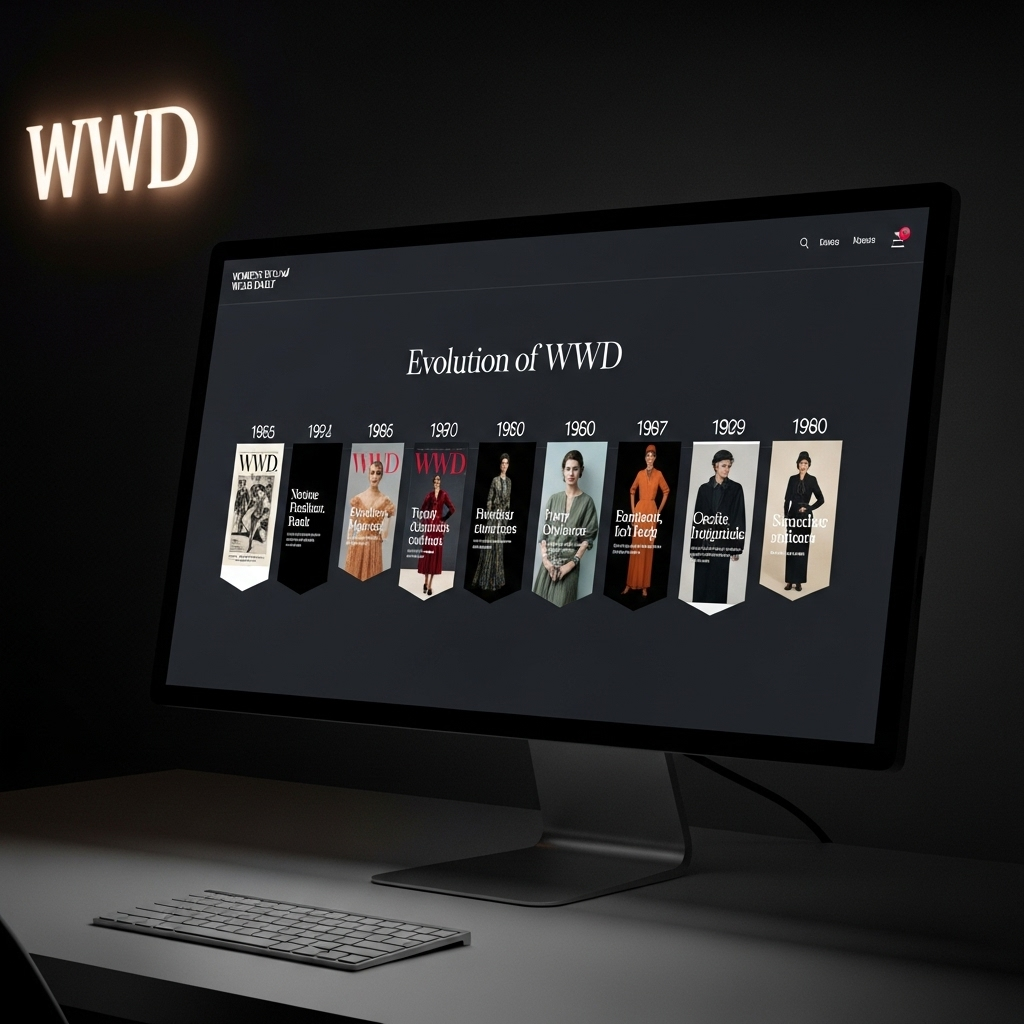
The new millennium brought the internet, and with it, the biggest challenge to traditional print media. WWD adapted by launching WWD.com in 1999, moving from a daily print paper to a real-time digital news source. This move was essential for its survival and continued relevance.
The pace of news sped up, and WWD evolved to meet the demand. It expanded its coverage to include the fast-growing beauty industry, the business of influencers, and the critical issues of sustainability and supply chain ethics. The focus on business intelligence, its original mission, became more important than ever in a globalized market.
In 2014, Penske Media Corporation (PMC) acquired WWD from Condé Nast, which had purchased it from the Fairchild family. Under PMC, WWD has continued to invest in its digital platform, hosting industry summits and expanding its international reach with dedicated bureaus in major fashion capitals.
WWD’s Legacy and Future in Fashion Reporting
For 115 years, the wwd timeline has been the definitive record of the fashion industry’s evolution. It has documented everything from the invention of the zipper to the rise of fast fashion and the complex world of luxury e-commerce. More than just a publication, WWD has been a player, an instigator, and a kingmaker.
Its legacy lies in its dual identity: a serious business journal for industry insiders and a glamorous chronicler of high society and culture. It taught the world that the business of fashion—the deals, the hirings, the firings, and the financial reports—is just as compelling as the designs themselves.
Today, WWD continues to be the industry’s paper of record. In an age of fleeting social media trends and misinformation, its commitment to in-depth, credible reporting is more valuable than ever. As fashion faces new challenges, from AI-driven design to circular economies, one thing is certain: WWD will be there to report on it, continuing its indispensable role for the next hundred years.
“`